TALENTE – Meister der Zukunft 2023
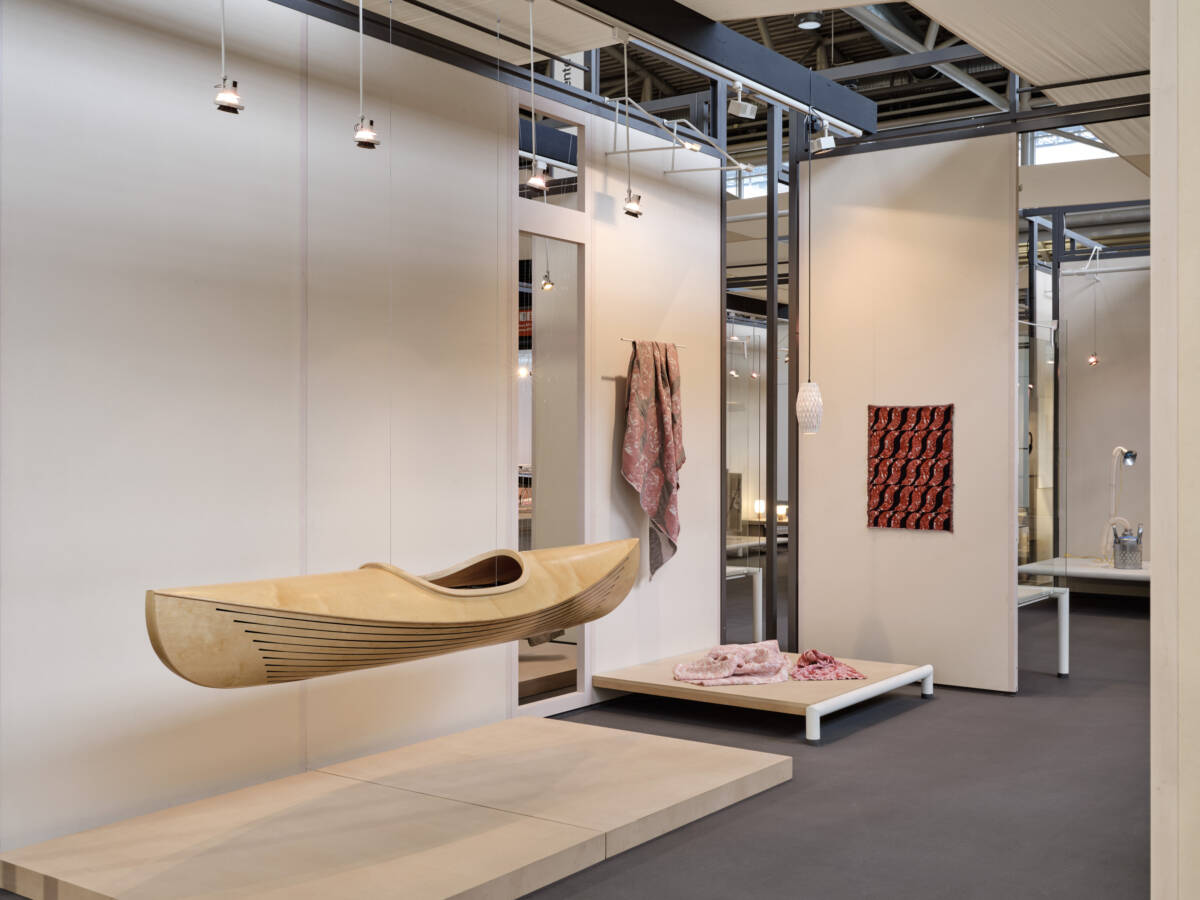
In 2023, “TALENTE – Meister der Zukunft” presented the work of 98 young designers and teams from 24 countries in 12 different crafts. 2023 also included works by participants from China, India, Iran, Lithuania, Macedonia, Mexico, Slovakia and Taiwan.
TALENTE showcased innovative, imaginative, extraordinary and very different works, particularly in the fields of glass, ceramics, jewellery and textiles. The exhibits particularly reflected the great interest in textiles, which has already been evident in recent years, and in glass, which is being discovered as a versatile material.
Current trends

Winners of the “TALENTE – Meister der Zukunft” prize 2023
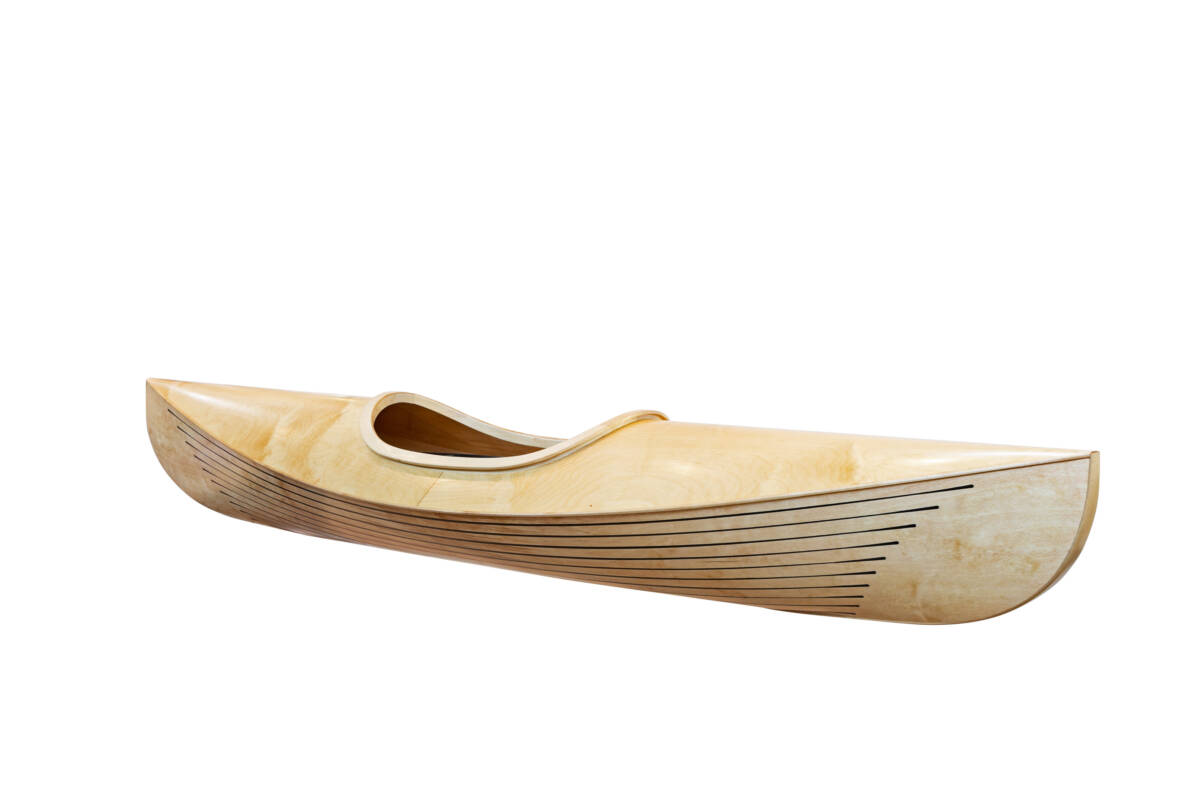
Elisabeth Ott, Germany
Wood
Elisabeth Ott’s kayak impressed the jury with its handling of the material and the technical process that contributes to the design. This combination of construction and aesthetic appearance was highlighted, as was the innovative technology, which is unusual in boat building.
Agnes Kelm, Germany
Wood
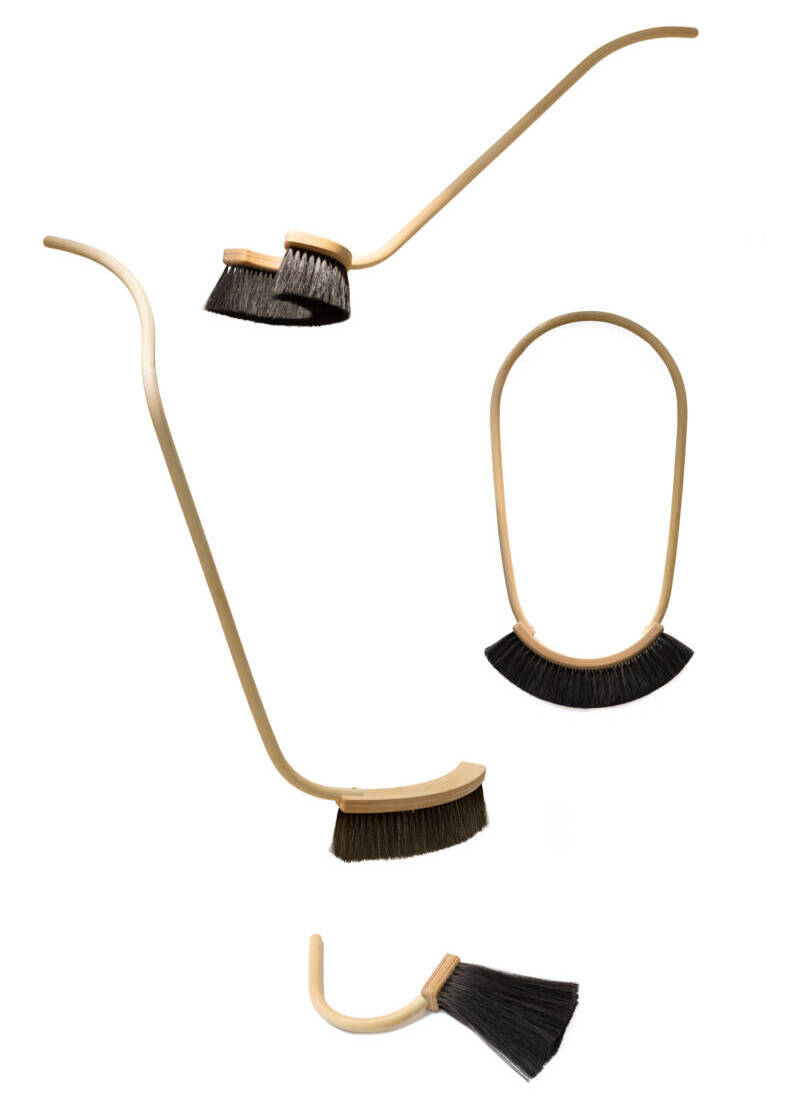
Agnes Kelm’s brooms detach the functional object from its everyday efficiency and turn it into an object whose handling has a meditative, almost ritualistic character. The use of the brooms conveys calm in a hectic world. The jury also praised the convincing craftsmanship and pointed out the rarity of this area of craftsmanship.
Philsoo Heo, South Korea / Germany
Ceramics
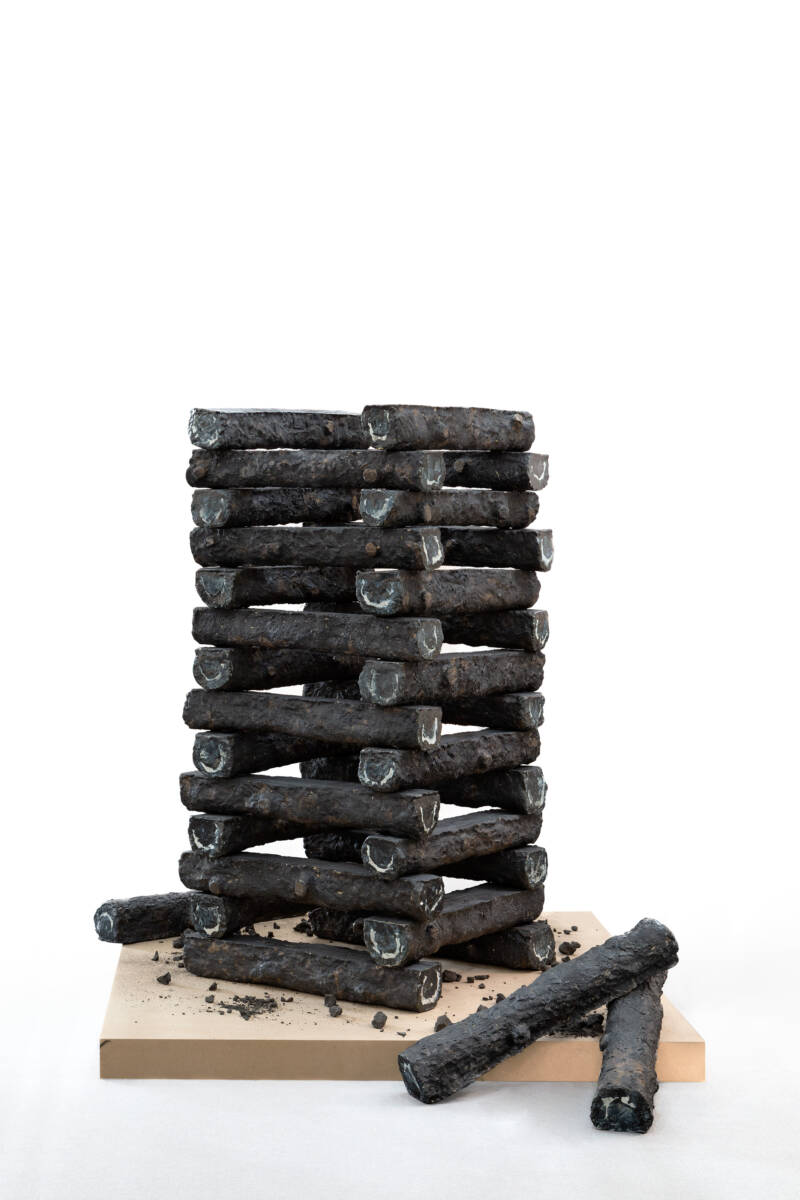
Philsoo Heo’s work “Burn Out” was convincing due to its sculptural quality, its calm and powerful, concentrated and mysterious monumentality and presence. The intensive and reflective examination of the materials is evident in this independent and self-evident work.
Yinglong Li, China / Great Britain
Metal
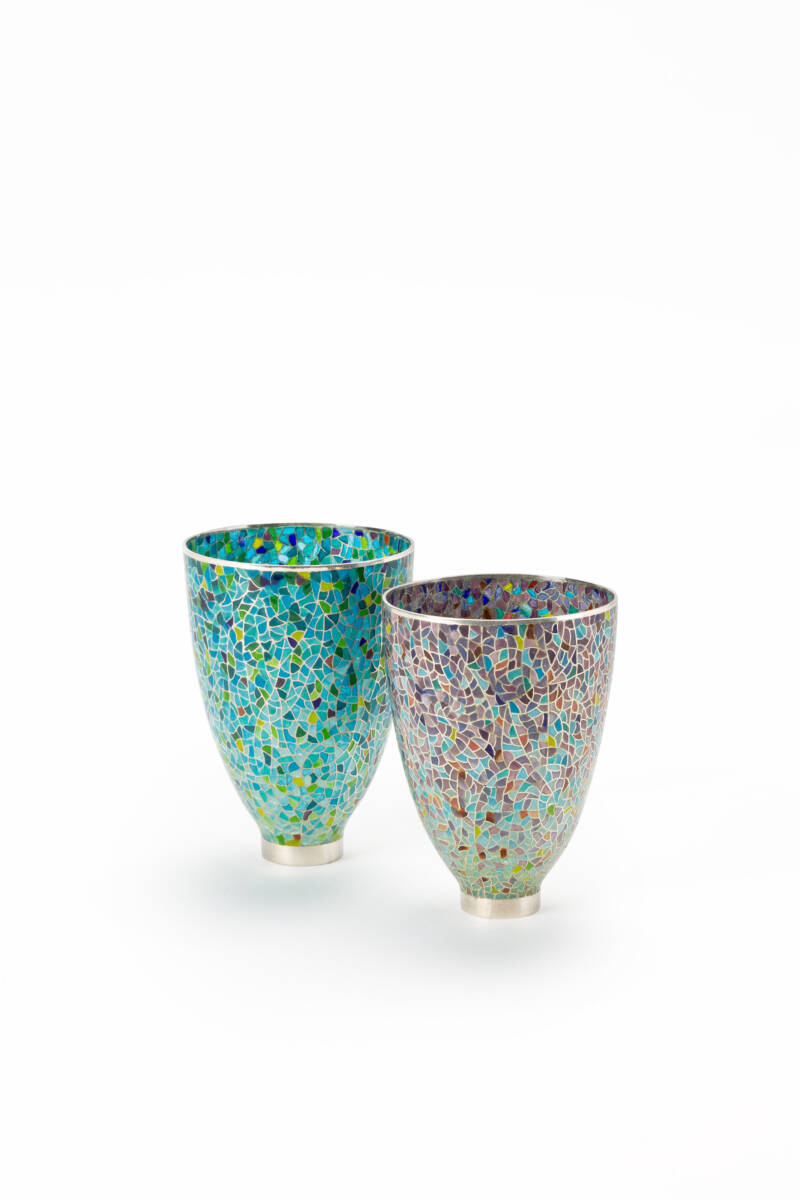
Yinglong Li’s small-format vessels are characterised by the virtuoso use of the highly complicated and complex plique à jour or window enamel technique. Instead of figurative motifs, he decided to play with light, inspired by impressionist painting, and to convey this in the nuanced choice of colours, the fine shades and refractions.
Matthias Gschwendtner, Germany
Furniture
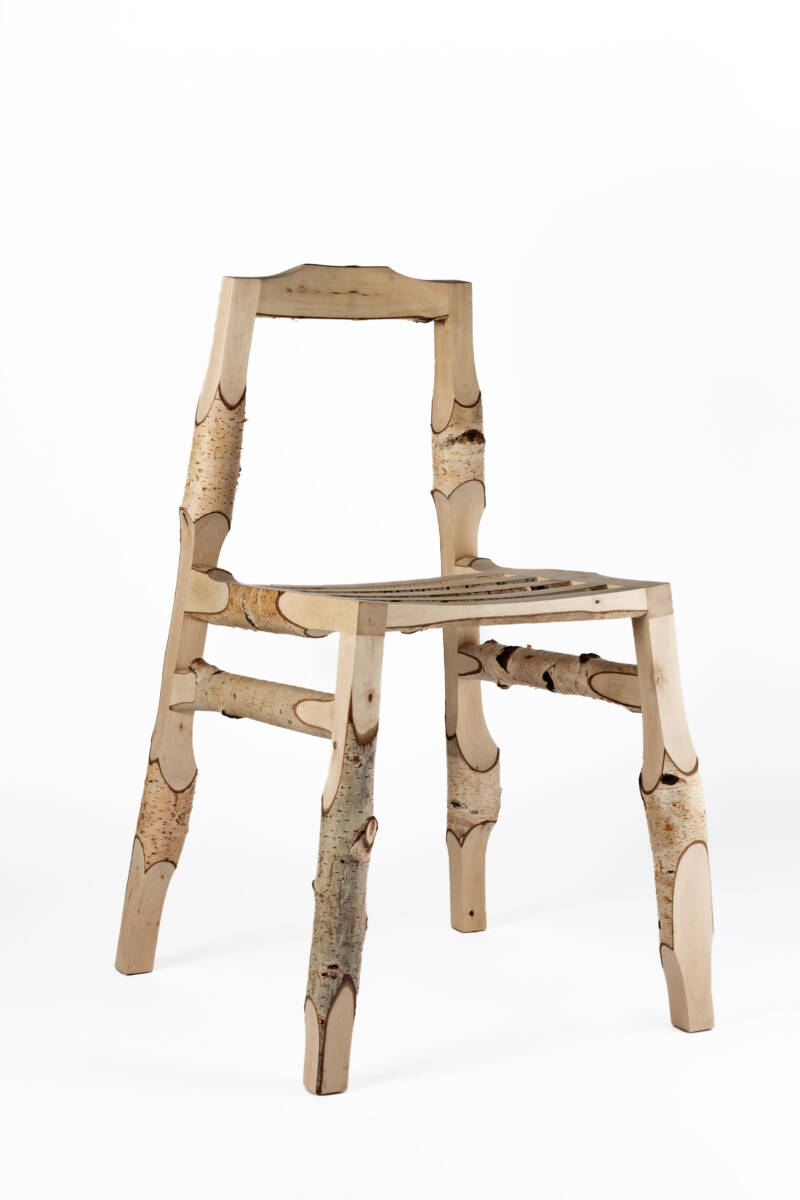
Matthias Gschwendtner’s “Log Chair” impressed the jury with its combination of a high-tech process and individual production. Individual pieces are produced from waste materials from the timber industry in a multi-stage process. The seating comfort and the basic shape are the same, but the individual chairs differ in the details, depending on the respective pieces of wood.
Susie Heuberger, Mexico / Germany
Jewellery
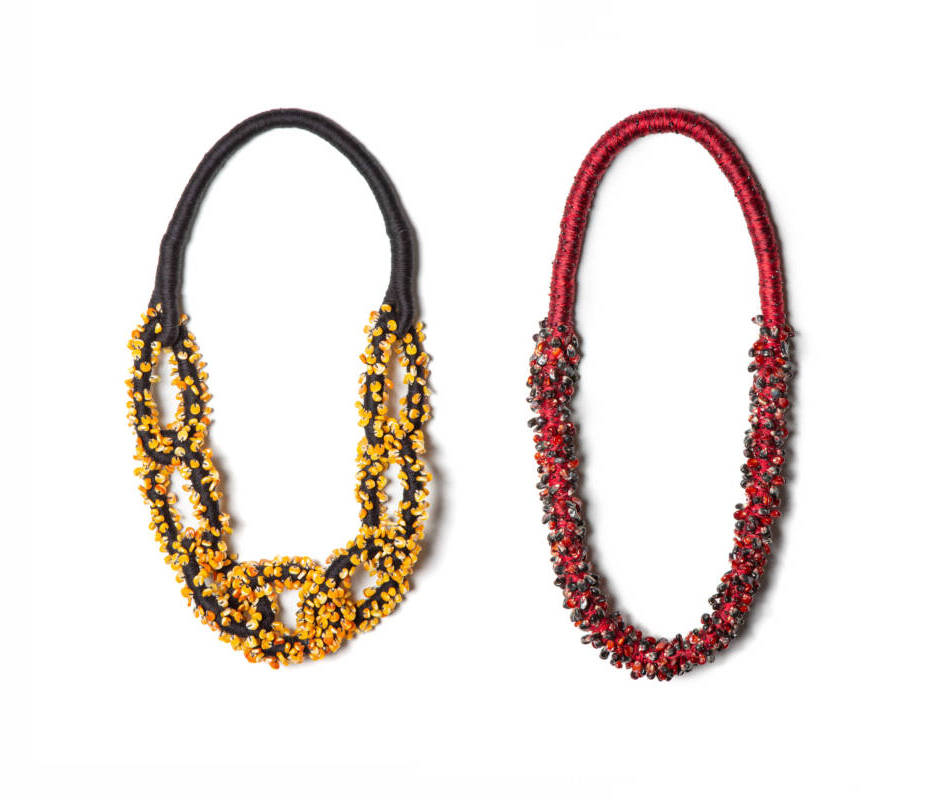
Susie Heuberger’s necklace jewellery uses material – corn kernels and textile threads – in a metaphorical sense. The design and material refer to Mexico in a variety of ways. Her work alludes to political and social, but also ecological aspects of the country. From an economic perspective, corn as a foodstuff replaces precious stones. At the same time, Susie Heuberger’s use of threads refers to fundamental aspects of jewellery, the origins and early design of which lie in working with textile materials.
Haisheng Liu, China / South Korea
Jewellery
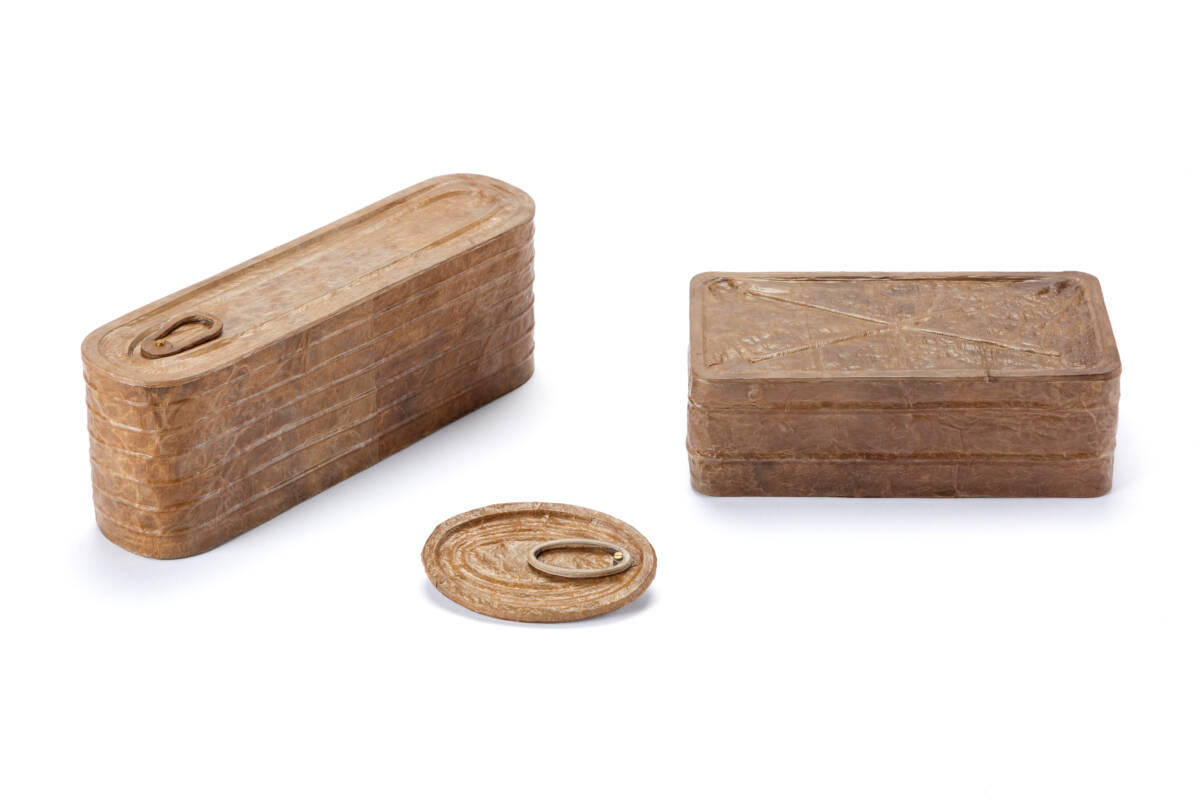
Haisheng Liu’s box-shaped brooches are defined by an interest in new materials, resulting in an unusual and mysterious aesthetic for jewellery. The works are fascinating both as objects and as pieces of jewellery. Haisheng Liu plays with the contrast between the form, a metal can, and the material, the pliable leather substitute, with the contrast between this ephemeral material and the lasting value of jewellery.
Jeroen van den Bogaert, Netherlands
Textile
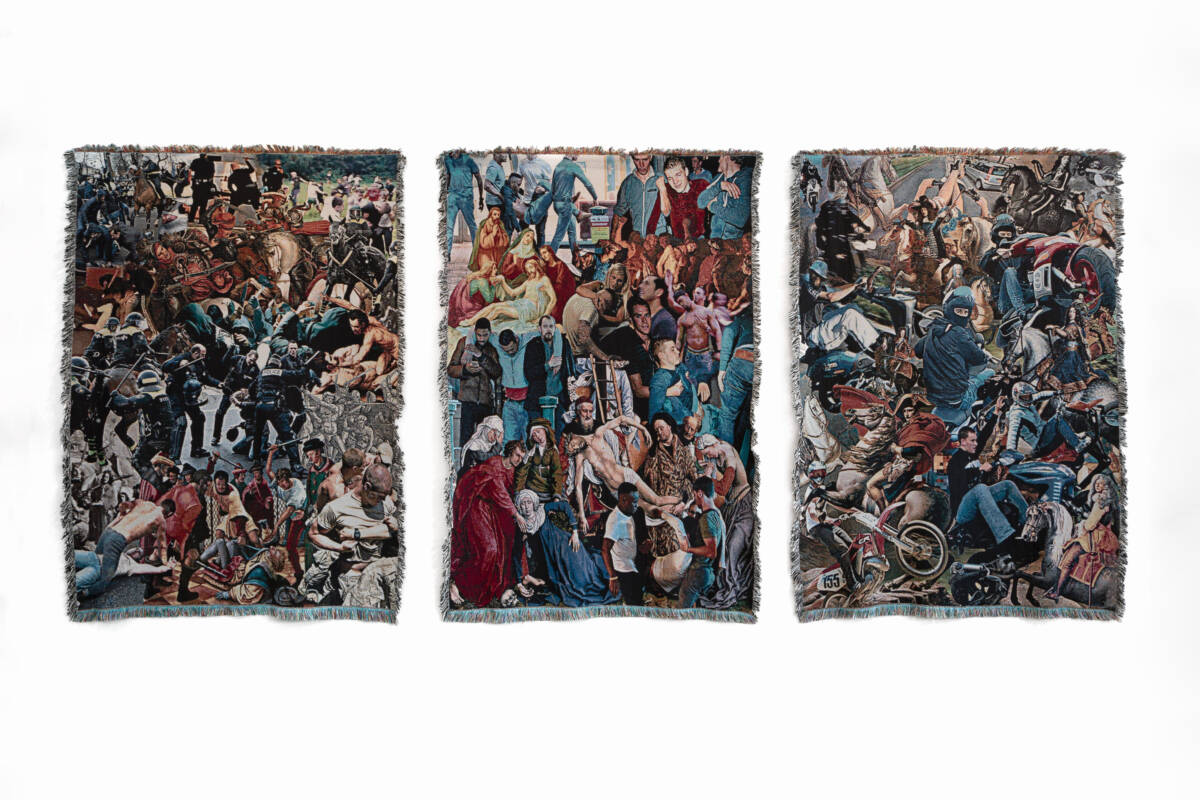
In his wall hangings, whose arrangement refers to the form of the Christian triptych, Jeroen van den Bogaert explores the concepts of masculinity. The focus is on toxic masculinity with its emphasis on violence. Jeroen von den Bogaert underlines the ambivalence of rejection and fascination of this idea of masculinity and at the same time, by combining contemporary photographs and historical motifs, points out how little change and development has taken place with regard to certain patterns of behaviour.
Winners of the Bavarian State Prize 2023
Dagmar Gerke, Germany
Coloured glass jars
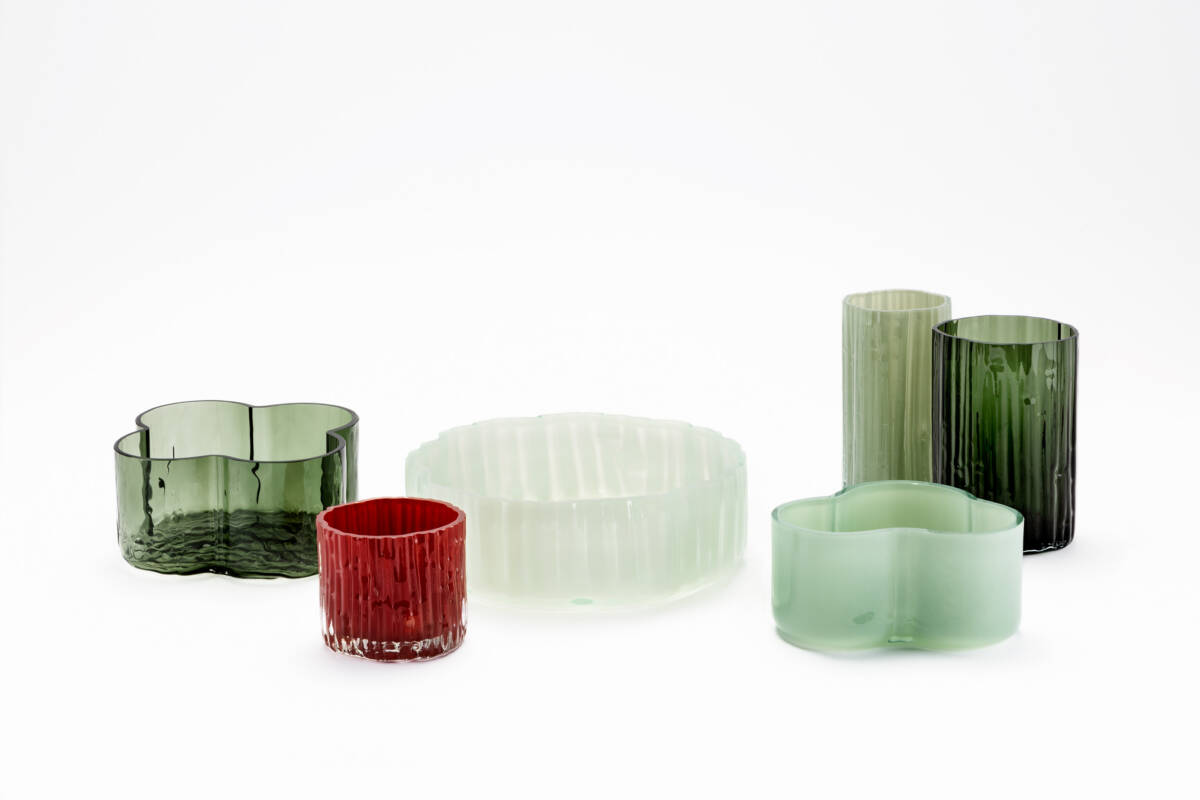
Dagmar Gerke’s groups of glass vessels fascinate with their richness of colours, shapes and surfaces. They are the result of her master’s thesis at the University of Applied Sciences and Arts in Hildesheim. Each group is based on a photograph taken during a trip to Taiwan. In this way, she creates a colour scale that is reflected in the glasses. The surfaces are also reminiscent of Taiwan as a travel destination, with the glasses being mouth-blown into shapes made from bamboo and Chinese reeds. Here, different elements from different cultures merge into one object.
Konrad Jünger, Germany
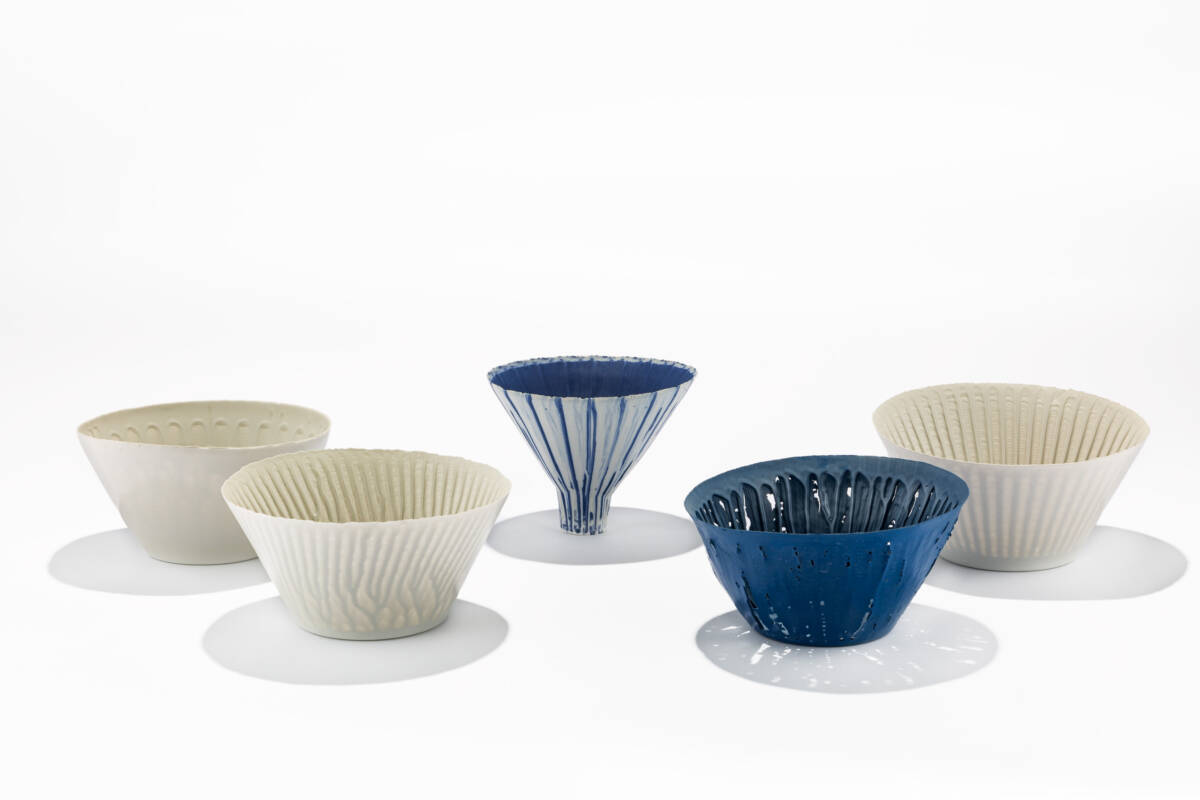
Experimental porcelain objects, digitally produced
In his final thesis at the Kunsthochschule Berlin-Weißensee, Konrad Jünger investigated the creative power that can be inherent in porcelain with the help of digital production. The result is a group of porcelain bowls that, despite industrial product design, have a unique character thanks to a digitally controlled robotic arm.
Nicole Magagnotti Panizza, Italy
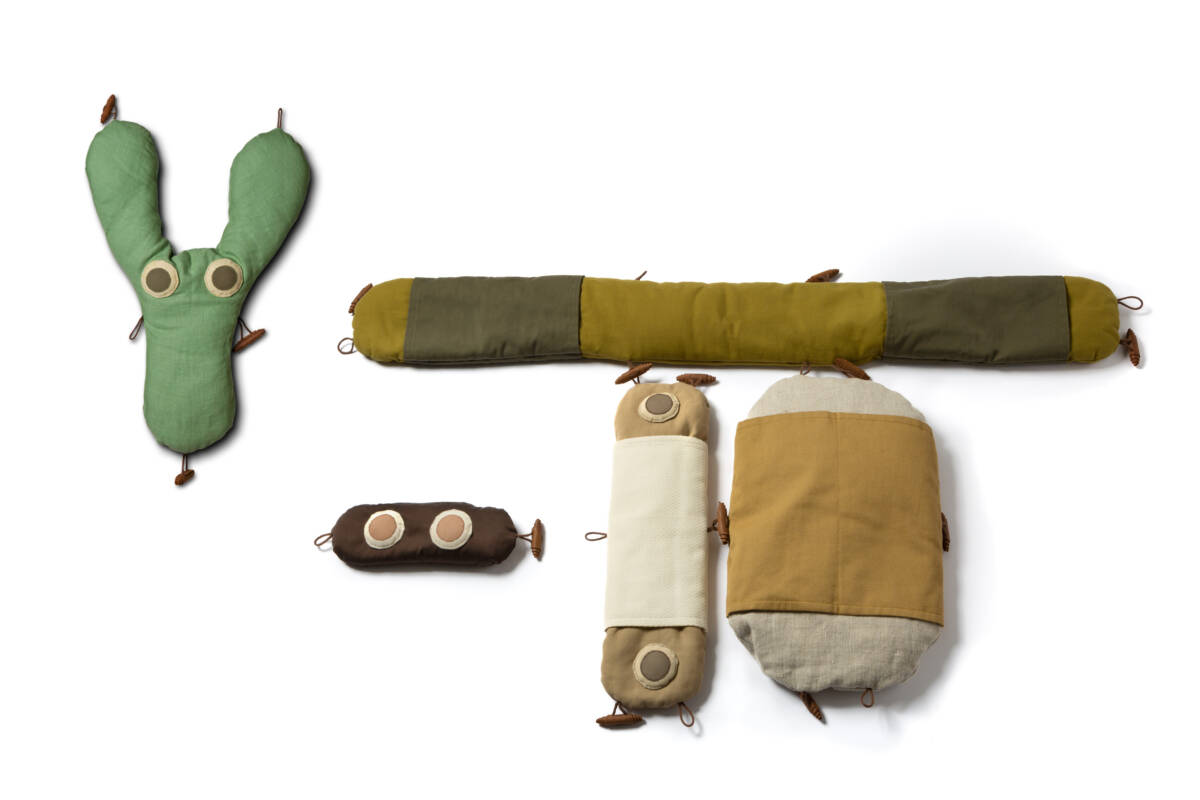
Five-part, inclusive, modular, textile toy
Nicole Magagnotti Panizza’s “Kokko” project was developed at the Free University of Bozen-Bolzano and serves as an integrative, portable, modular, textile toy. It is particularly geared towards the sensory needs of children. It is used to treat integration disorders and autism and is aimed at mental and physical health. It therefore serves educational and therapeutic purposes.
Tal Narkiss, Israel
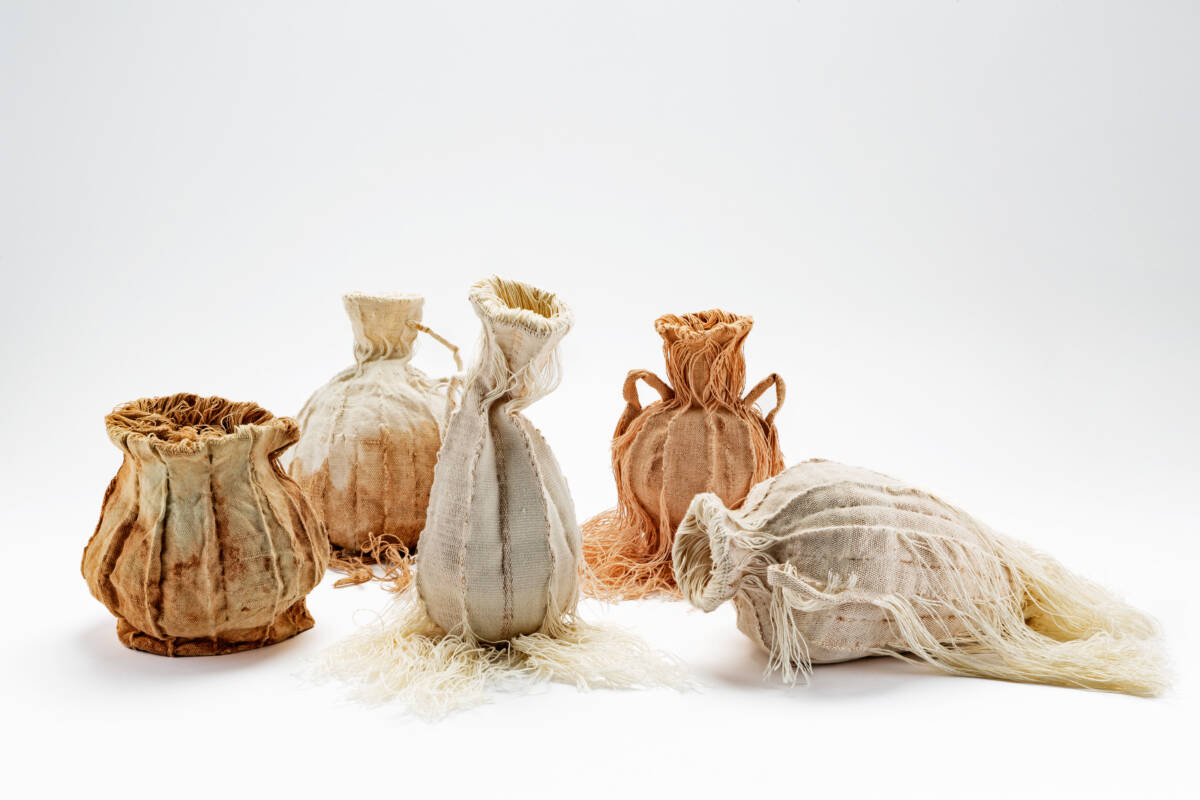
Woven vase objects
For decades, the Shenkar College of Engineering, Design and Art in Tel Aviv has been sending the most innovative and interesting textile works to the crafts fair’s special show “TALENTE – Meister der Zukunft”. In this respect, Tal Narkiss’ hand-woven, three-dimensional textile vessels are also extraordinary and fascinating. They were created on a 24-harness dobby loom. Vessels from Tal Narkiss’ grandfather’s collection of antiques served as inspiration.