TALENTE – Meister der Zukunft 2018
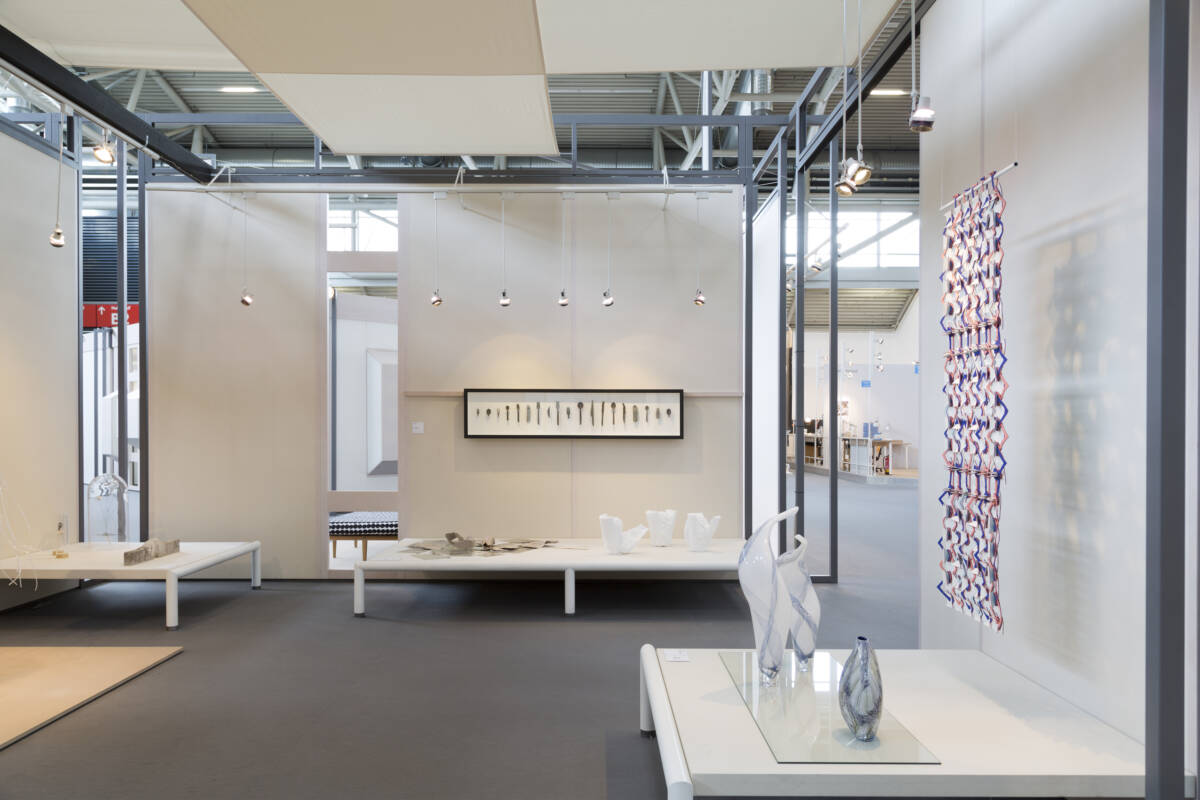
In 2018, “TALENTE – Meister der Zukunft” presented the work of 110 young designers from 30 countries in 11 different crafts. Works by participants from Taiwan, the Philippines, Ukraine, Iran and Bosnia-Herzegovina are on display. In total, we received around 600 applications from 56 countries, including Pakistan, Romania, Turkey, Vietnam, Macau and Hong Kong.
“TALENTE” showcased innovative, imaginative, interesting and unusual works of great variety in the fields of glass, ceramics, metal, furniture and jewellery, as well as an unusually high number of interesting textiles.
Current trends
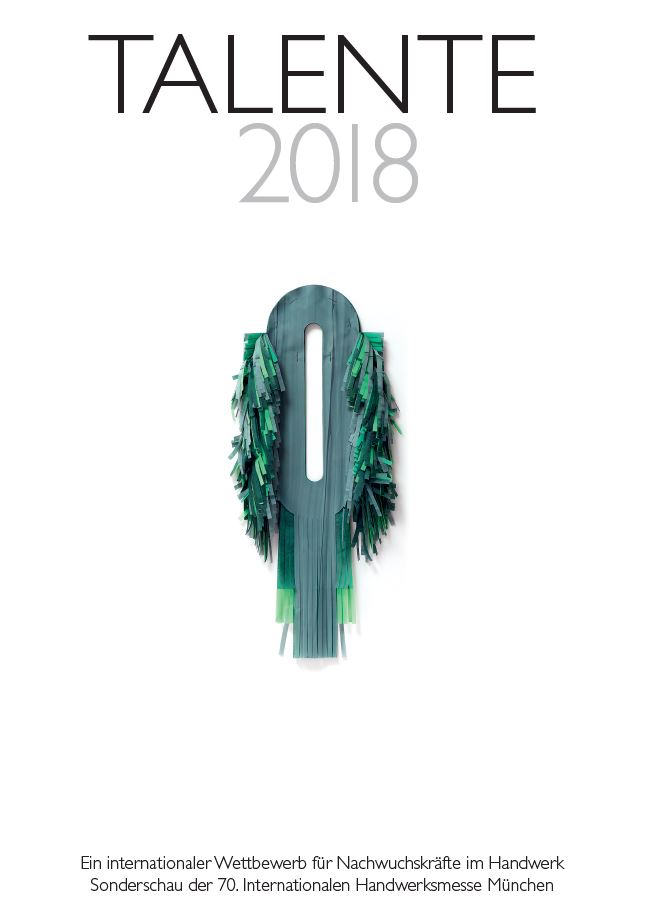
Winners of the “TALENTE – Meister der Zukunft” prize 2018
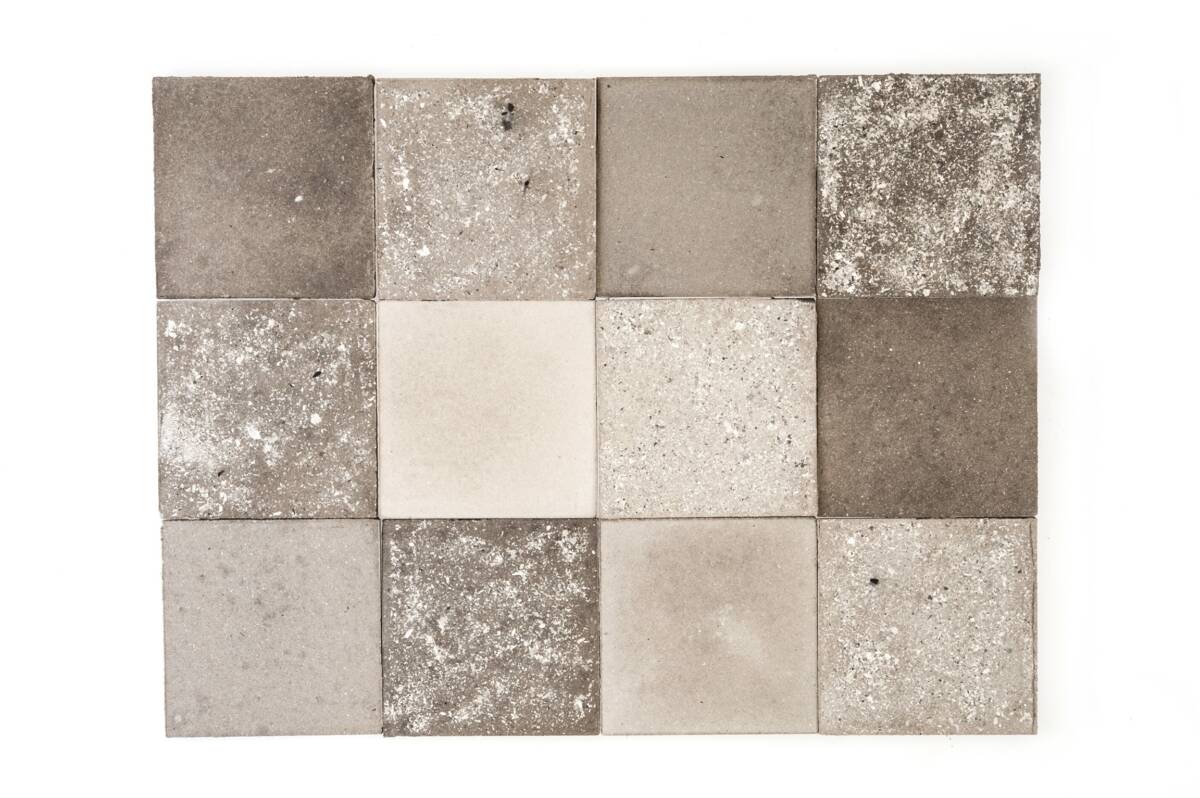
Miriam Schlägel, Austria
Materials and technology
Miriam Schlägel’s tiles made from ash were convincing due to their sustainability. The waste material ash is mixed with water and lime and then processed into tiles by applying pressure in molds. The type of wood burned results in a natural colourfulness. The jury suggested that this project should be expanded in terms of impact resistance and resilience.
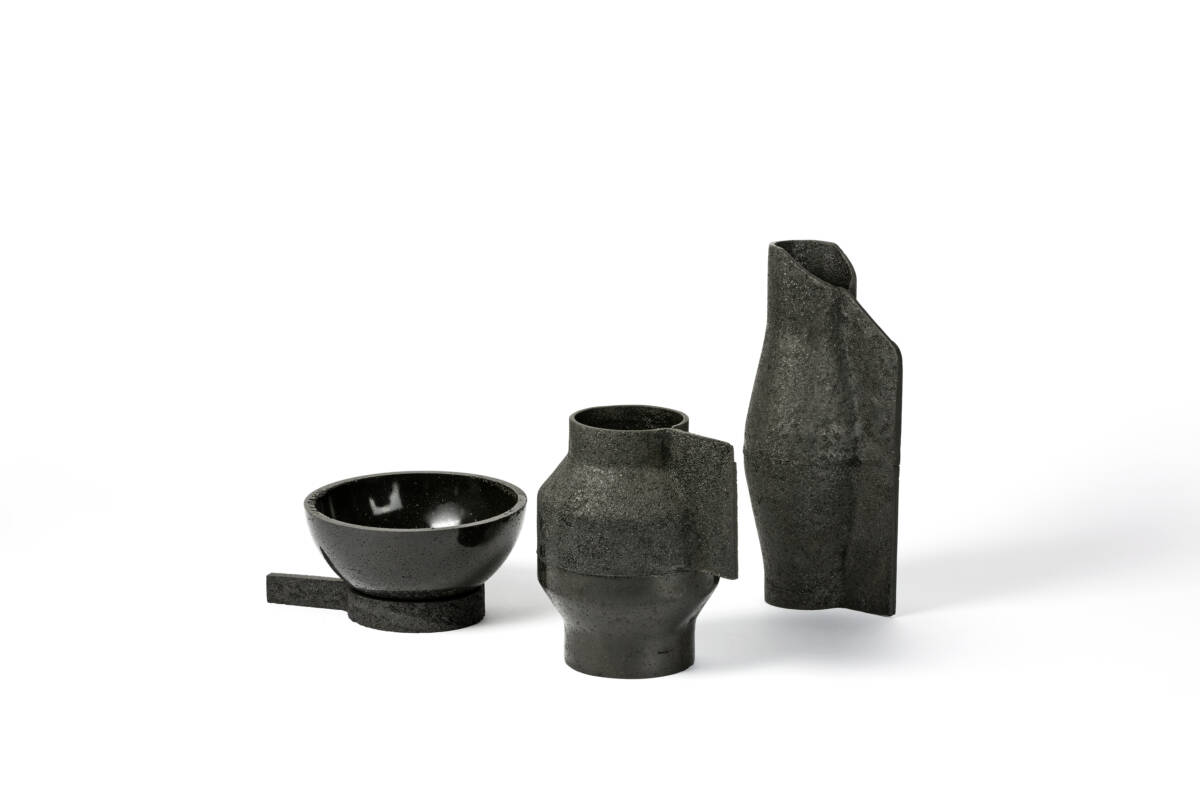
Anja Lapatsch and Annika Unger, Germany
Materials and technology
In Anja Lapatsch’s and Annika Unger’s austere vessels, the jury particularly liked the transformation of the material as well as the traces of the transformation process and the correspondence between form and material. The works are characterised by the interaction of almost scientific research and artistic approach.
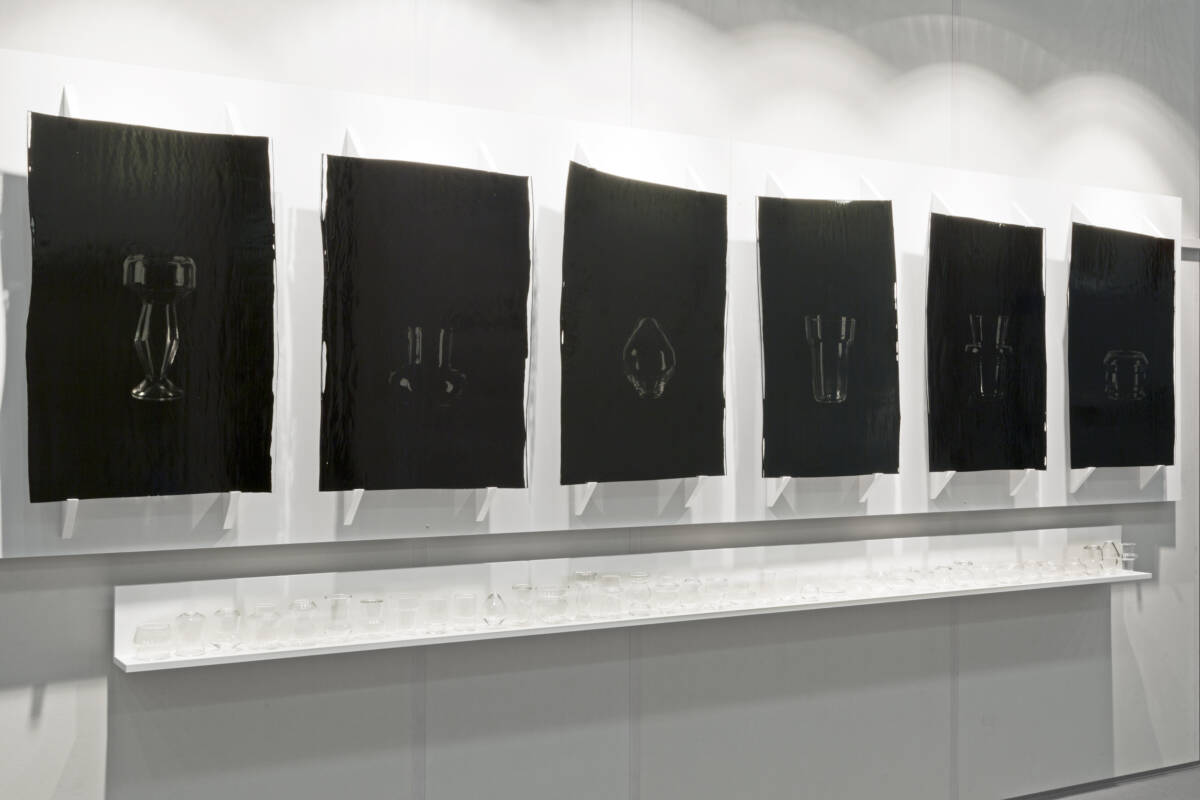
Louise Lang, Germany
Glass
Louise Lang’s multi-part glass work is characterised by an unusual approach and great delicacy for glass as a material. The vessels transform their appearance through screen printing and at the same time retain their three-dimensionality through the relief-like quality of the glass surfaces. The effect of the light and the viewer’s point of view give them a mysterious, poetic but also fragile character on the dark glass plates.
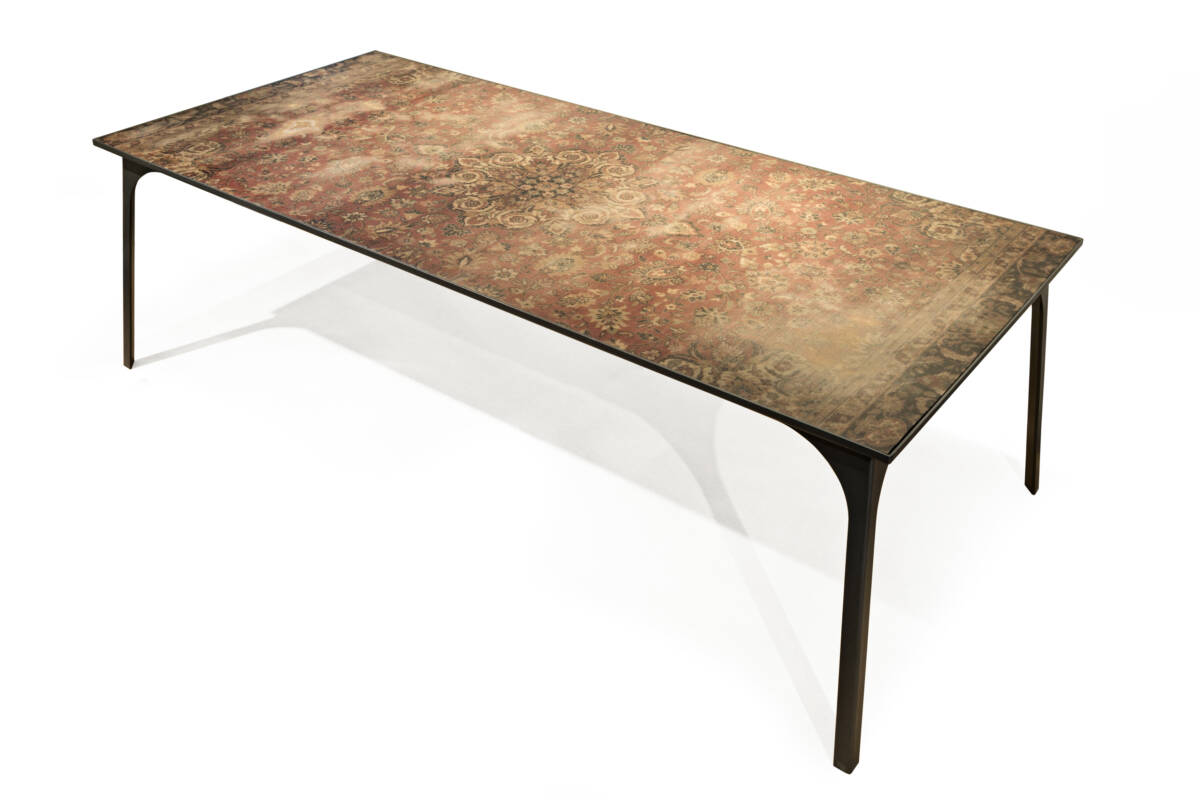
Ruben van Megen, Netherlands
Furniture
Ruben van Megen moves the carpet from the floor to the table, thereby transforming the context and value of the carpet, while at the same time drawing on Dutch tradition and history, as carpets on tables are reminiscent of depictions in Dutch interiors and still lifes from the 17th century. The table is thus an example of the continuation of tradition in the present and its transformation to meet contemporary needs.
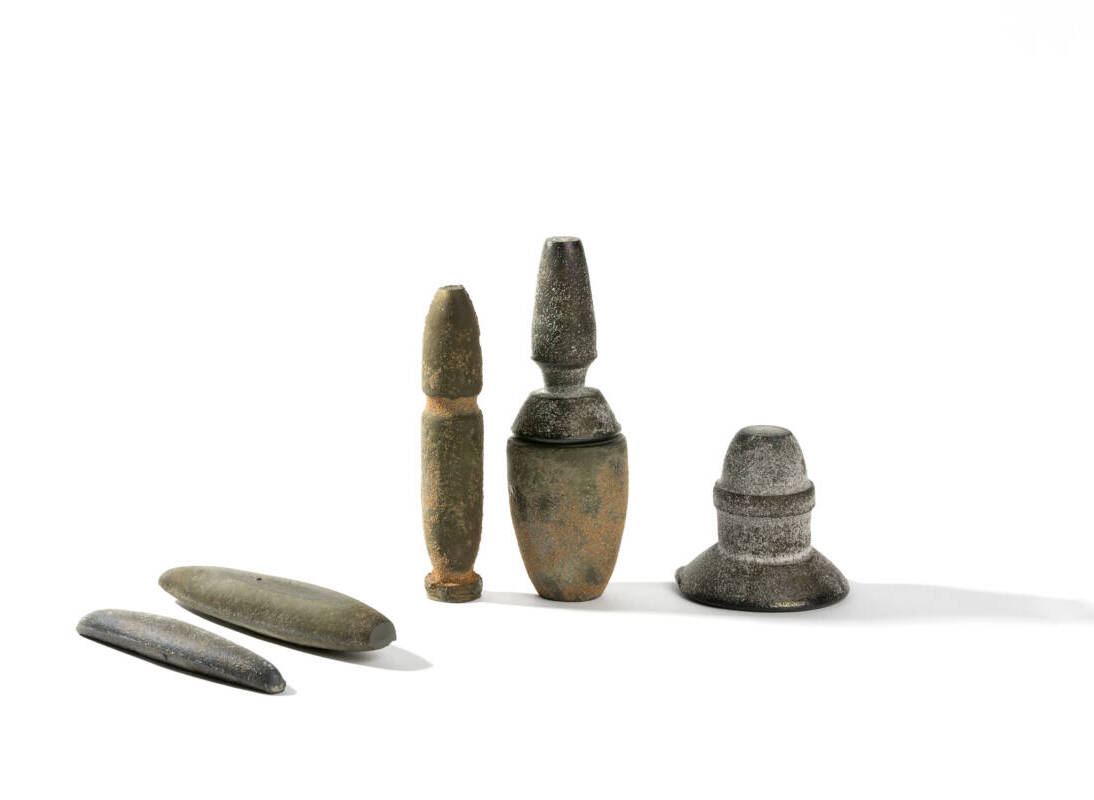
Mariana Berecová, Slovakia
Stone
Maria Berecová’s objects are characterised by craftsmanship and its appreciation as a fundamental quality for the future. In this, they are characterised by timelessness and elude any definition – they could be works from the past or the future. They are defined by an archaic character that makes them look like projectiles or ritual objects at the same time.
Renee Pearson, New Zealand
Stone
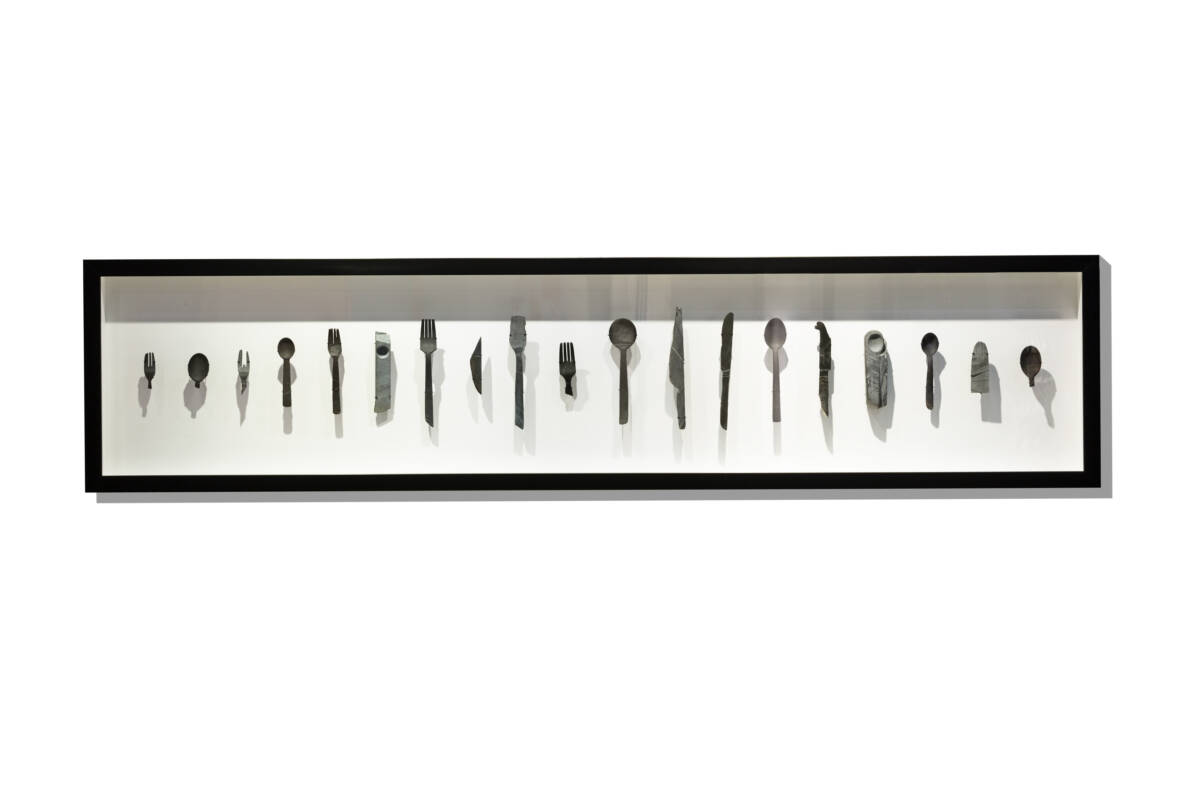
Renee Pearson’s series of cutlery objects refers to her origins in New Zealand in an archaic way. They have a socially critical message, but are at the same time characterised by timelessness, which makes them appear like studies, fragments, designs or signs. The viewer is involved by being invited to add to the forms.
Lucy Ganley, Great Britain
Jewellery
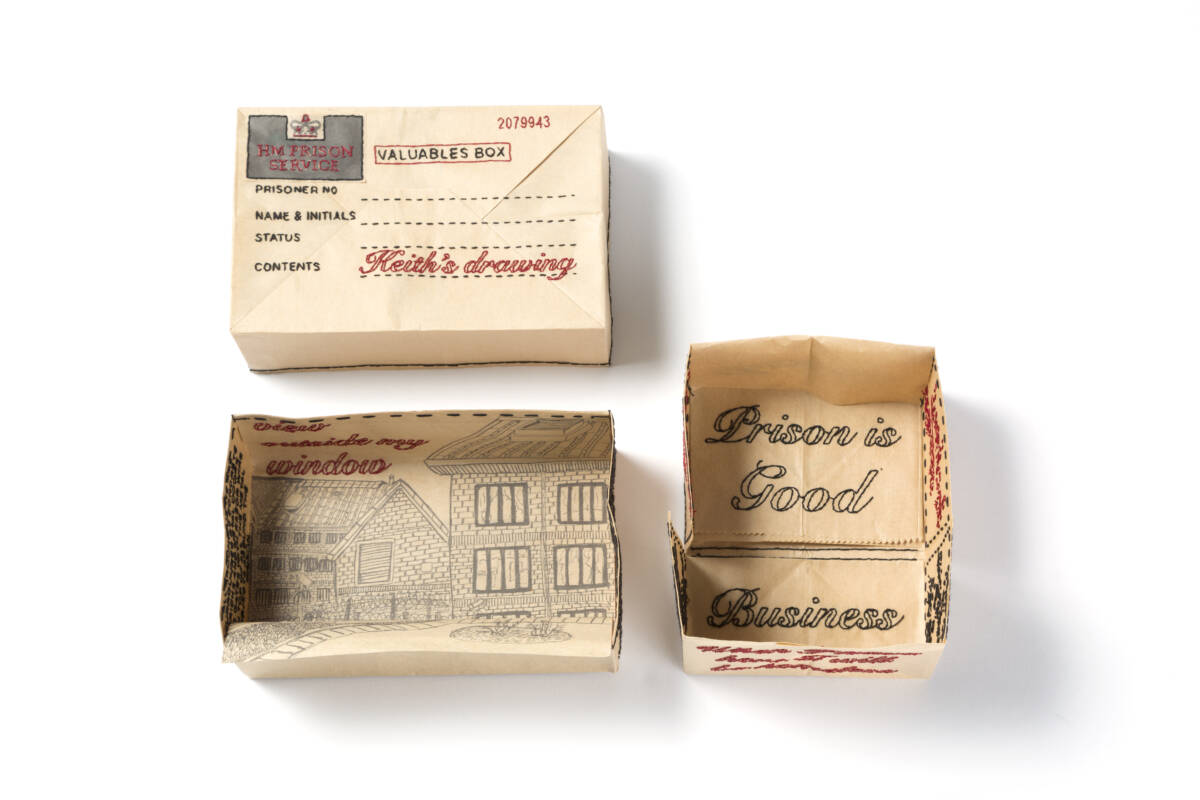
With the box shapes of her “Prison is good business” brooch series, Lucy Ganley follows in the long tradition of memorial jewellery, where jewellery serves as a container to hold various mementos. The technique of embroidery connects the brooches to the body, giving them a closeness to clothing. At the same time, Lucy Ganley reflects on what prison means and which places can take on a prison-like quality. In all these aspects, her brooches go beyond the narrower definition of what jewellery means.
Sehee Um, Philippines / South Korea
Jewellery
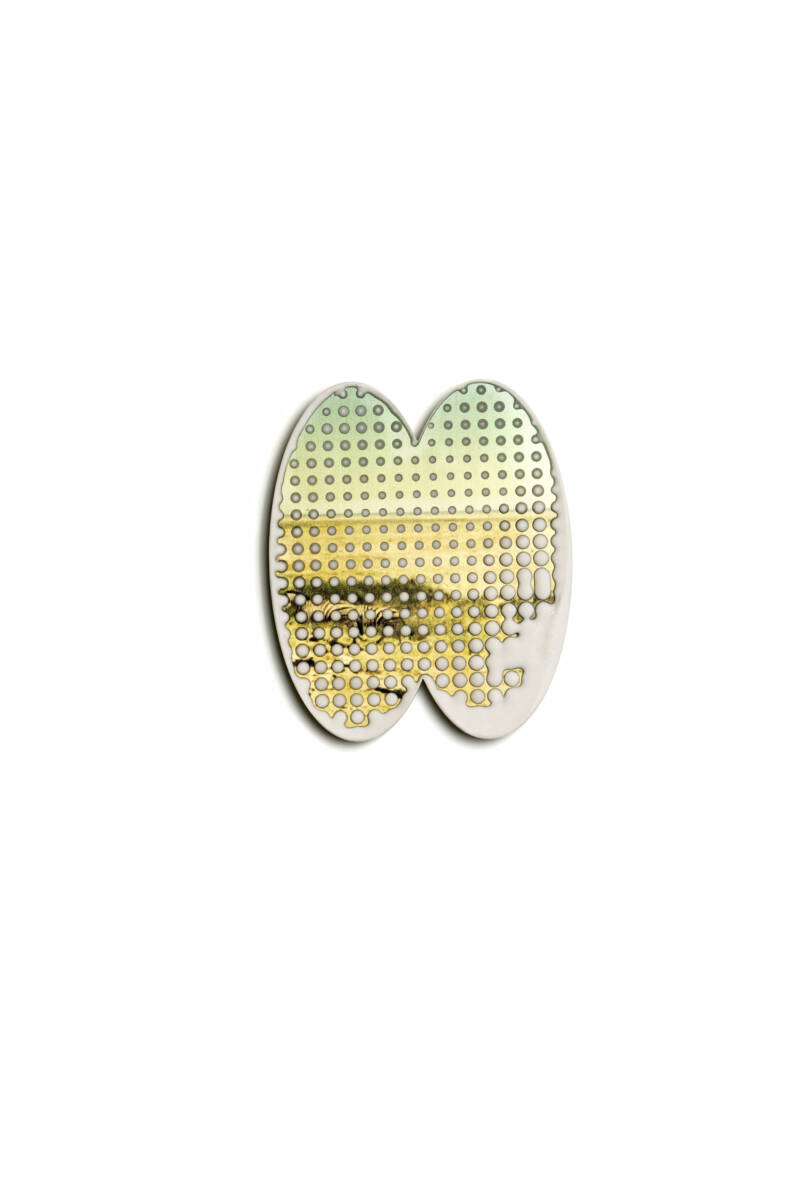
Sehee Um’s brooch series impressed the jury with its subtle choice and combination of materials, its exciting work with flat and relief sections and the contrast between carefully structured and seemingly chaotic areas. They appear decorative and magnificent, even though they are made of base materials.
Winner of the Bavarian State Prize 2018
Philipp Hiller, Germany
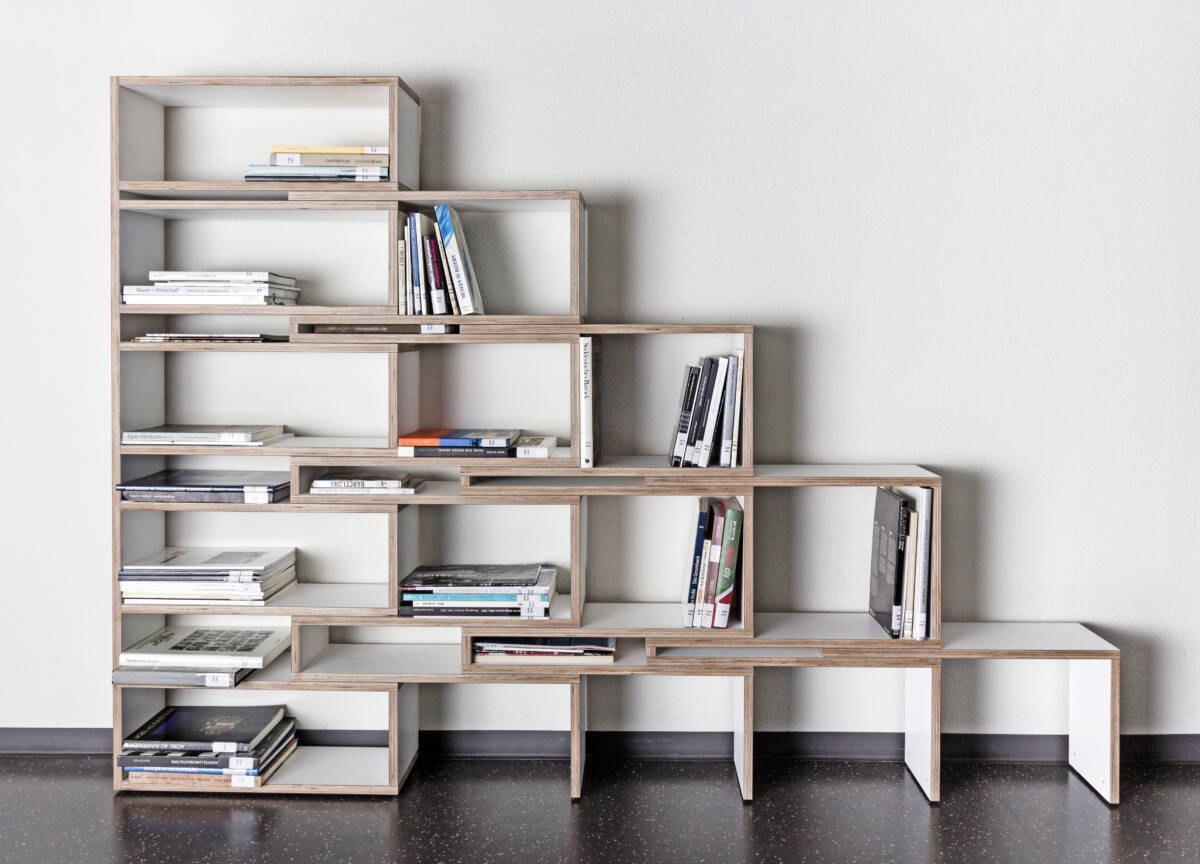
“SKEW” – the flexible shelf
The shelving system from carpenter Philipp Hiller from Munich adapts to any pitched roof and also cuts a fine figure visually. It can be pulled apart continuously and used in countless variations – e.g. as a room divider or under stairs.