TALENTE – Meister der Zukunft 2017
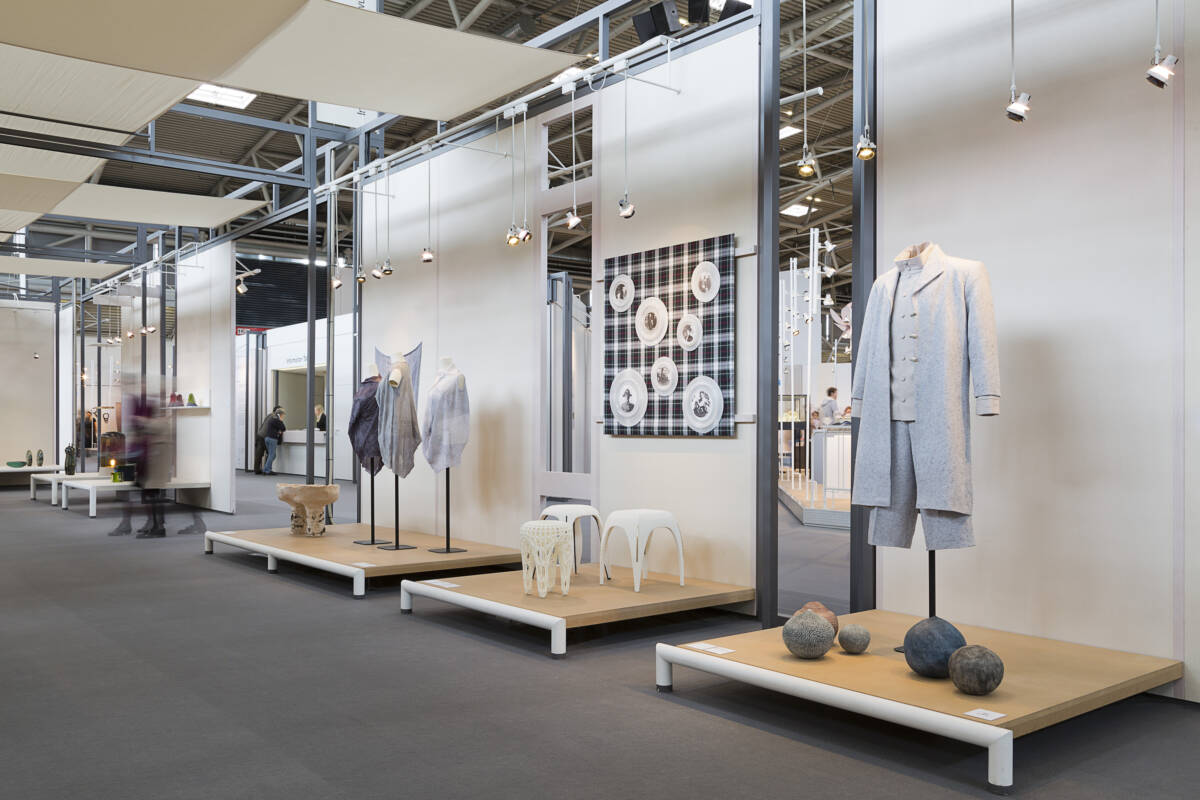
In 2017, “TALENTE – Meister der Zukunft” presented the work of 105 young designers from 32 countries in 14 different crafts. Among others, works by participants from Taiwan, Ireland, Slovakia and Argentina are on display.
TALENTE showed innovative, imaginative, extraordinary and very different works, especially in the fields of glass, ceramics and jewellery, as well as an unusually large number of interesting textiles and presented designs in the field of “mixed media” for the first time.
Current trends
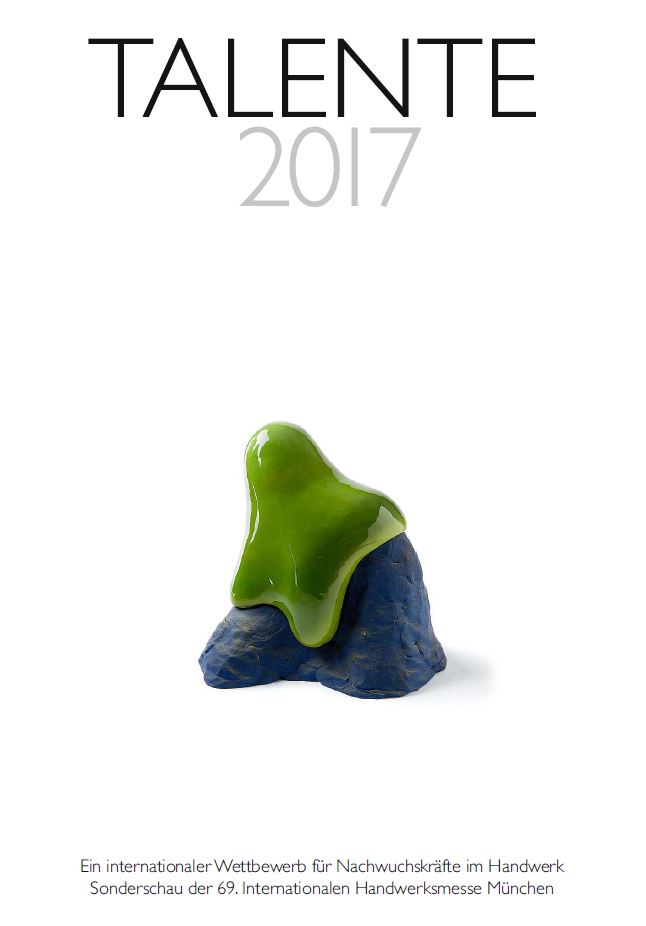
Winners of the “TALENTE – Meister der Zukunft” prize 2017
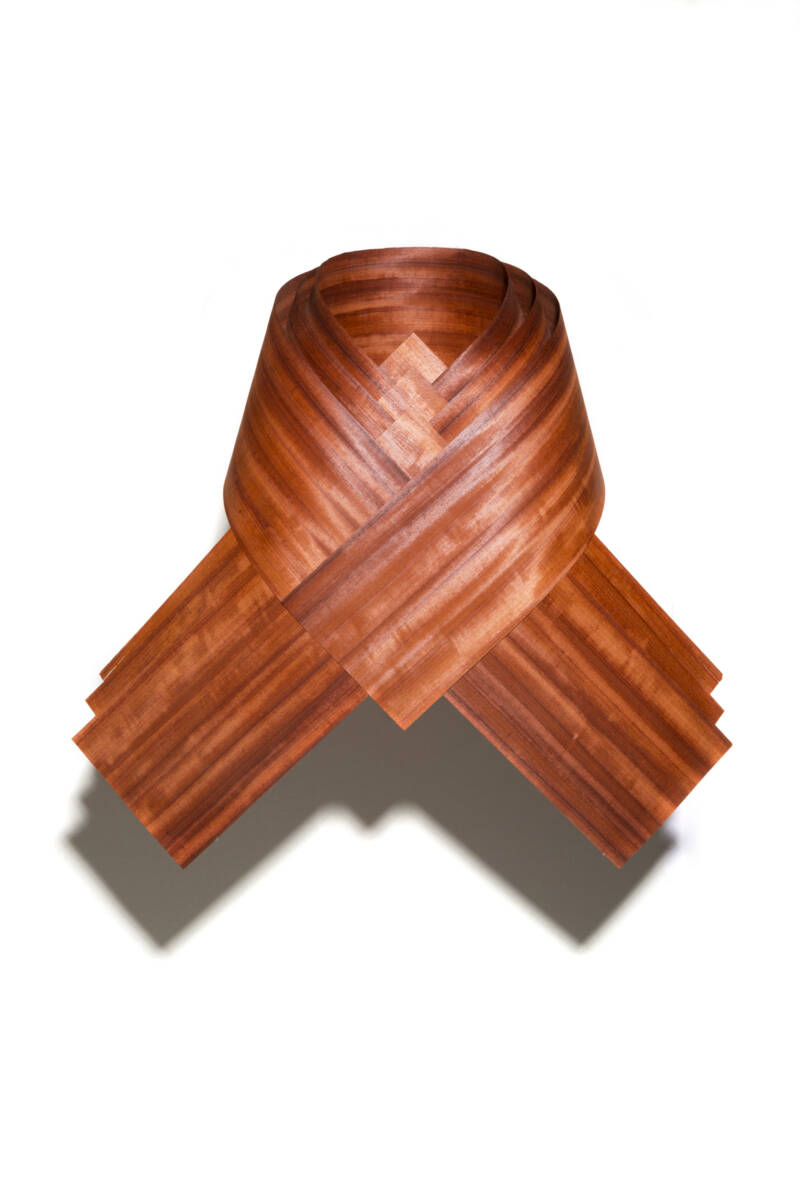
Adéla Wiesenbergová, Czech Republic
Wood
The poetic work shifts the boundaries between jewellery and fashion and at the same time documents the experimentation with different materials in fashion. The work is interesting due to its lightness and fragility, the cocoon-like qualities and the Japanese references, especially with regard to eroticism and traditional clothing. The closeness or distance of this cocoon to the wearer’s body is carefully designed.
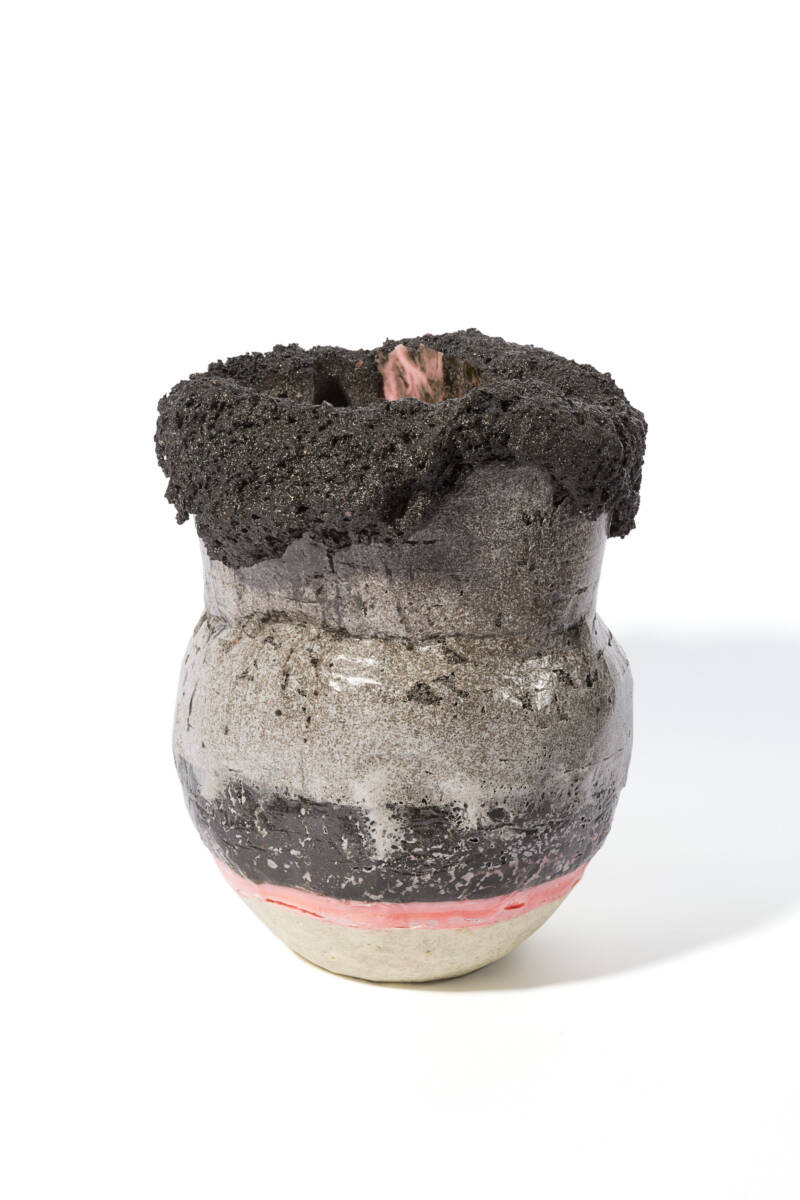
Machteld Lambeets, Belgium
Plastic
Machteld Lambeets experiments with materials, traditions, forms and volumes. Her works have a great sculptural radiance and a fascinating surface structure that always offers new surprises, even when viewed over a long period of time. The surfaces of her vessels almost look like landscapes.
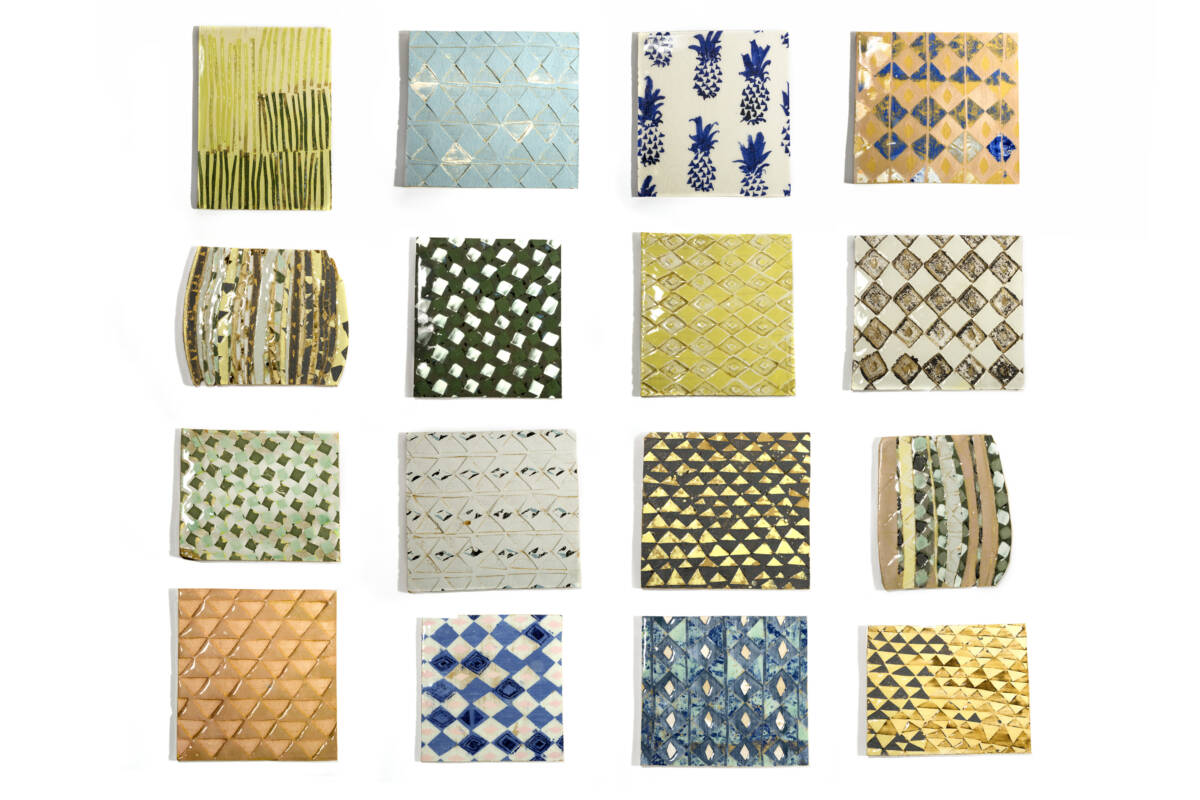
Luise Hellmann, Germany
Ceramics
Luise Hellmann’s tiles are interesting because of the contrast: at first they almost look like old Mediterranean tiles from the 17th century, but on closer inspection they turn out to be new interpretations of their historical predecessors. They play with the past and traditions. The tiles not only react to the material with certain inaccuracies, but also have a pronounced individuality. In this and in their highly sculptural design, they form a striking antithesis to industrial tile production and the current tendency to imitate other materials in the tile sector.
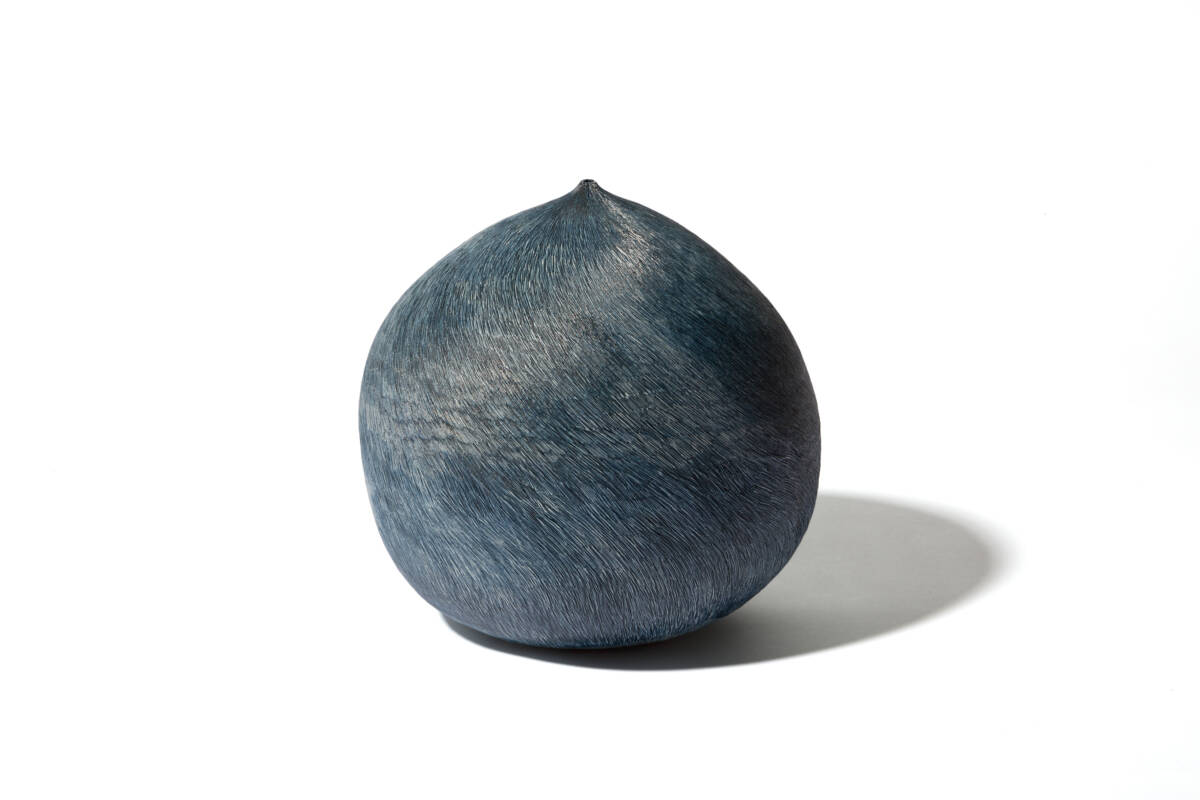
Kana Ueda, Japan
Ceramics
Kana Ueda’s round vessels impressed the jury with their tactile and visual aesthetic quality. The fine lines suggest different materials such as stones and furs. These illusionistic qualities are repeated in the handling of the material. The vessels radiate a lightness that is nevertheless deceptive.
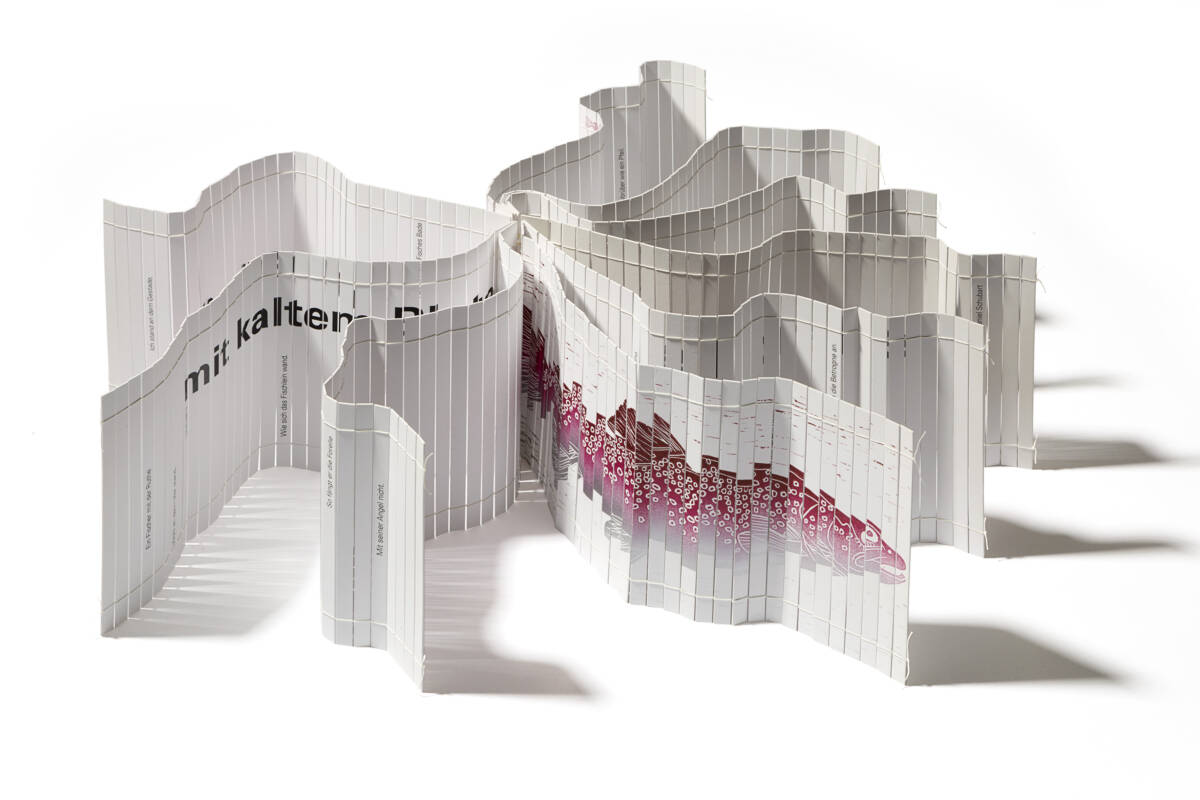
Yasutomo Ota, Japan / Germany
Metal
Yasutomo Ota deals with questions about the nature and appearance of the book: How should a book be designed and what other paths could be taken? He shifts traditional notions of bookbinding. The aim is always to transfer the content into a visible form. The respective theme of a text thus undergoes a haptic, three-dimensional translation.
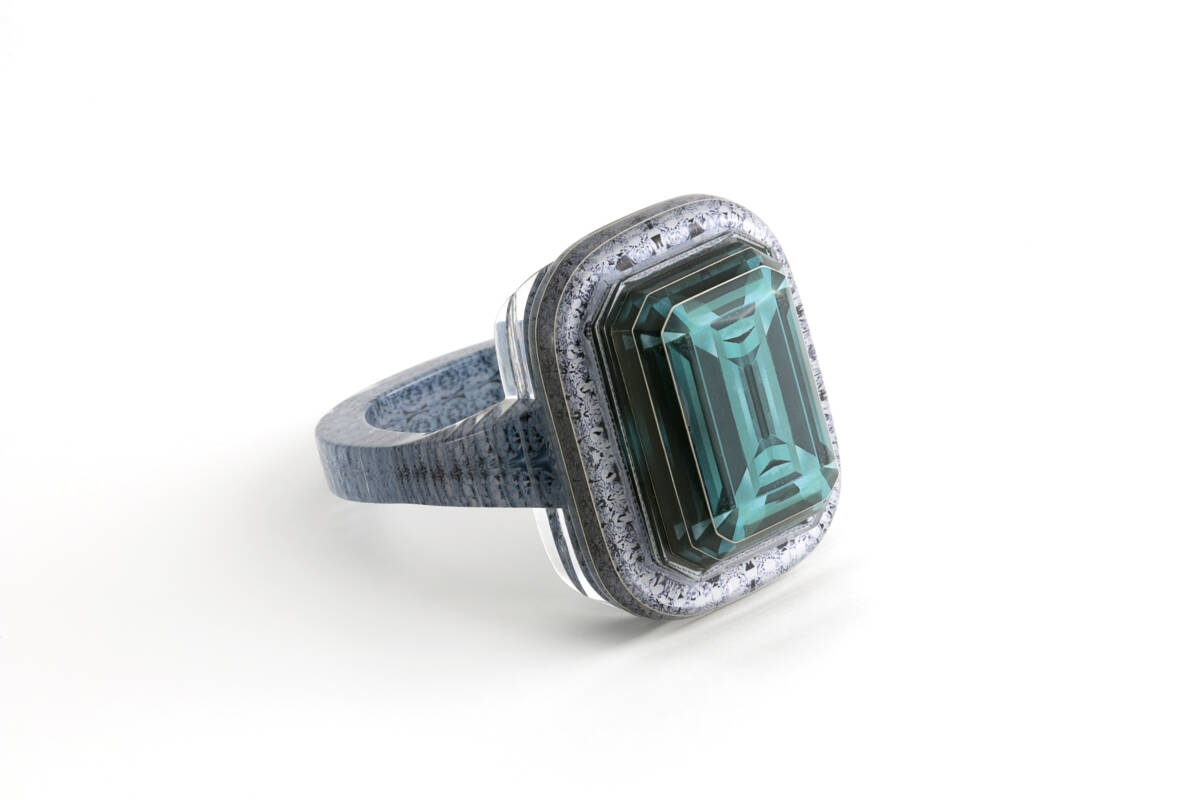
Woo Jung Kim, South Korea
Jewellery
Woo Jung Kim works with various illusionistic levels, particularly in her bracelet. She plays with the concept of luxury by questioning the preciousness of gemstones and the question of what actually constitutes and defines this preciousness. She uses optical illusions based on traditional goldsmithing techniques and also plays with established forms. For example, the bangle takes on the shape of a ring.
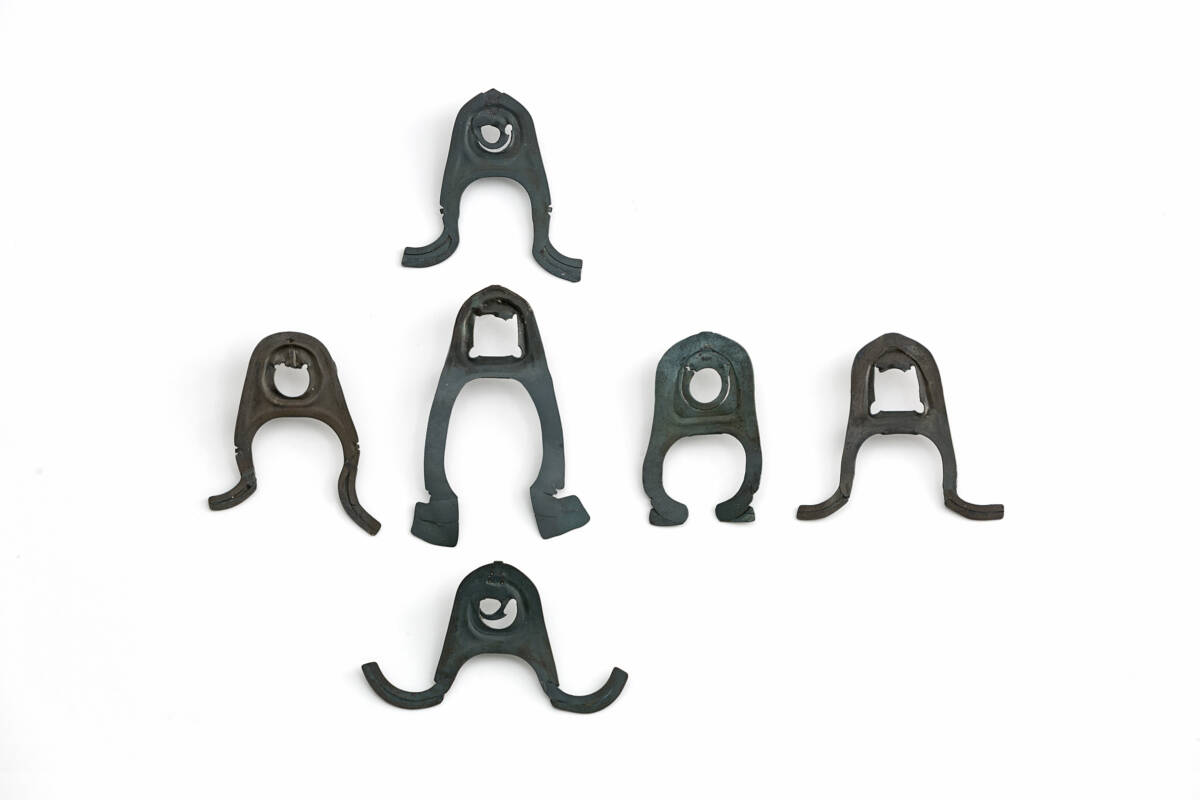
Carla Movia, Italy
Jewellery
Carla Movia creates three series or families from one waste product. Her works deal with aspects of preciousness, the anthropomorphic and technology. At the same time, they polarise and invite discussion.
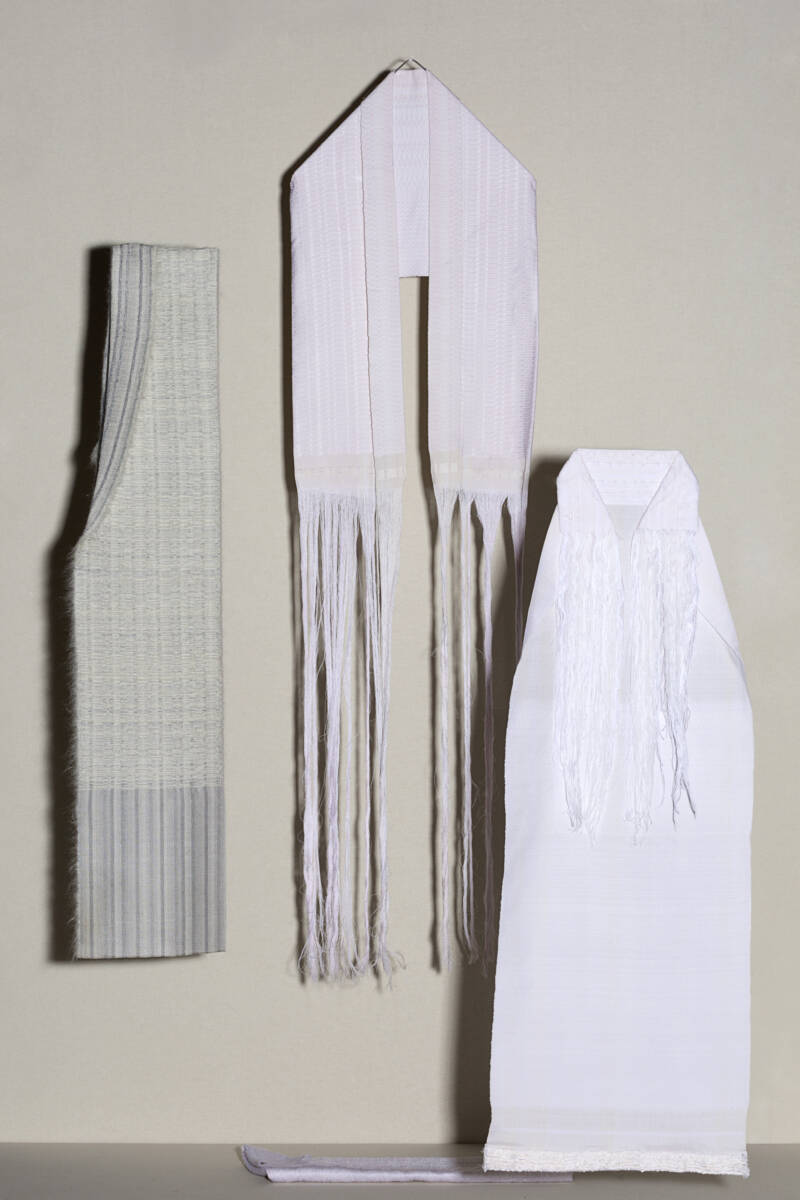
Ortal Bonen, Israel
Textile
Ortal Bonen’s textile designs impress with the fineness of their weaving and their delicacy. By largely dispensing with colour, Ortal Bonen focuses attention entirely on the material itself, on structure and texture. This is further emphasized by subtle changes in the fabric itself. Some elements of the design in particular seem to hark back to indigenous traditions.
Winner of the Bavarian State Prize 2017
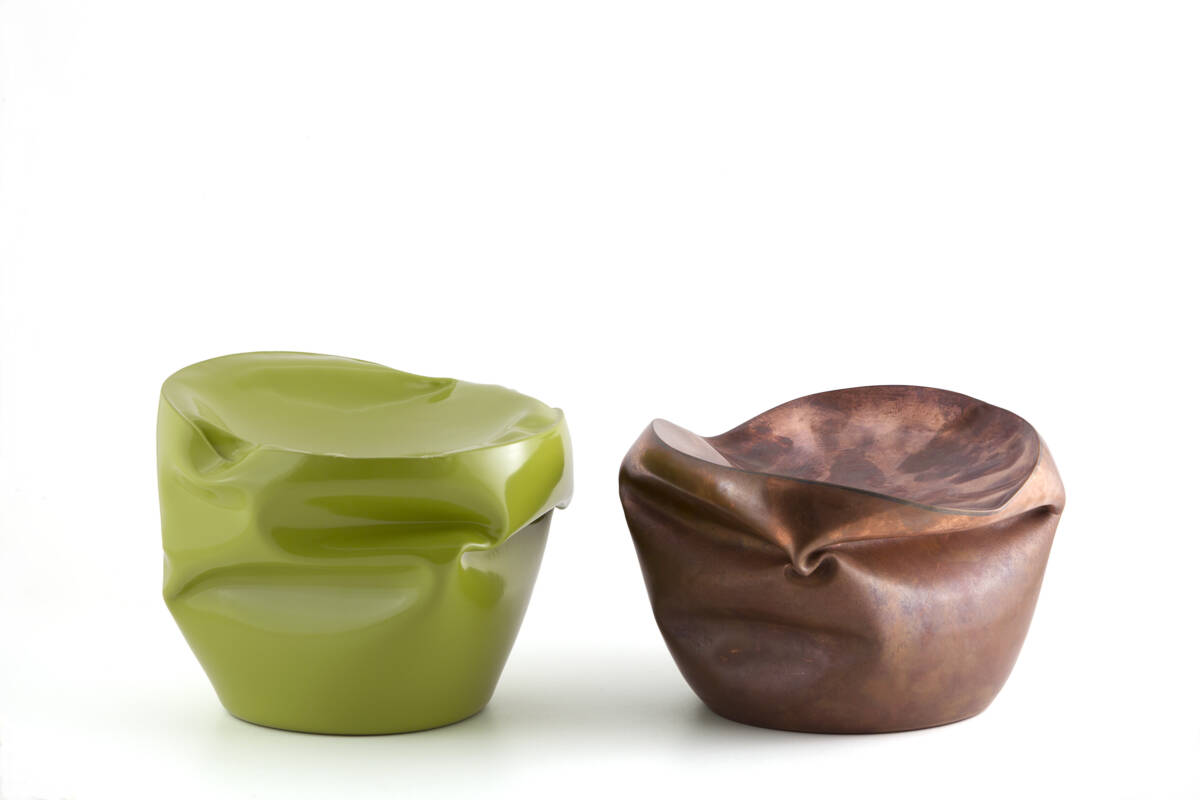
Markus Pollinger, Germany
Vessel objects made of copper
After training at the municipal master school for goldsmiths and silversmiths in Munich and at the vocational school for glass and jewellery in Neugablonz, Markus Pollinger studied at the Academy of Fine Arts in Nuremberg from 2010 to 2016. This is also where he completed his final thesis on his deformed copper objects, for which he was awarded the Bavarian State Prize. They reflect the silversmith’s constant search for formal statements and solutions in our time.