TALENTE – Meister der Zukunft 2016
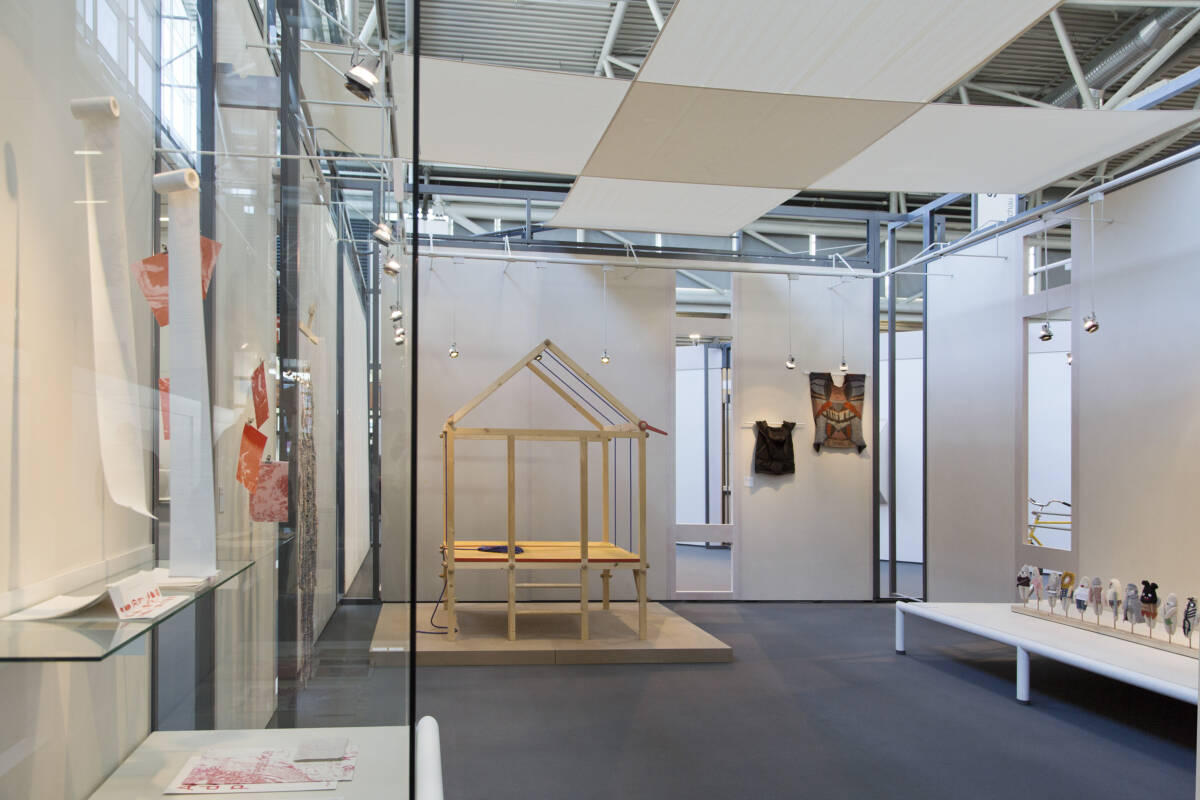
This year’s special exhibition “TALENTEmünchen – Meister der Zukunft” showcased the work of 102 young designers from 26 countries and 12 different crafts. Over 600 applications from more than 30 countries were received for “TALENTEmünchen 2016”. Entries were selected from Argentina, Belgium, China, Germany, Estonia, Finland, France, Great Britain, Israel, Italy, Japan, Canada, Colombia, Lithuania, New Zealand, the Netherlands, Pakistan, Poland, Sweden, the Slovak Republic, Spain, South Africa, South Korea, Taiwan, the Czech Republic and Uzbekistan.
The special show is a reflection of the ideas of young people, characterized by an experimental approach to materials and craft techniques. Munich is an attractive place for them to present their work to an international audience, and the fact that TALENTE encompasses many crafts and that the works can oscillate between art, design and crafts adds to the special appeal of this exhibition. In the juxtaposition of the works, different current design viewpoints become visible and tendencies of individual educational institutions become apparent.
Current trends
Winners of the “TALENTE – Meister der Zukunft” prize 2016
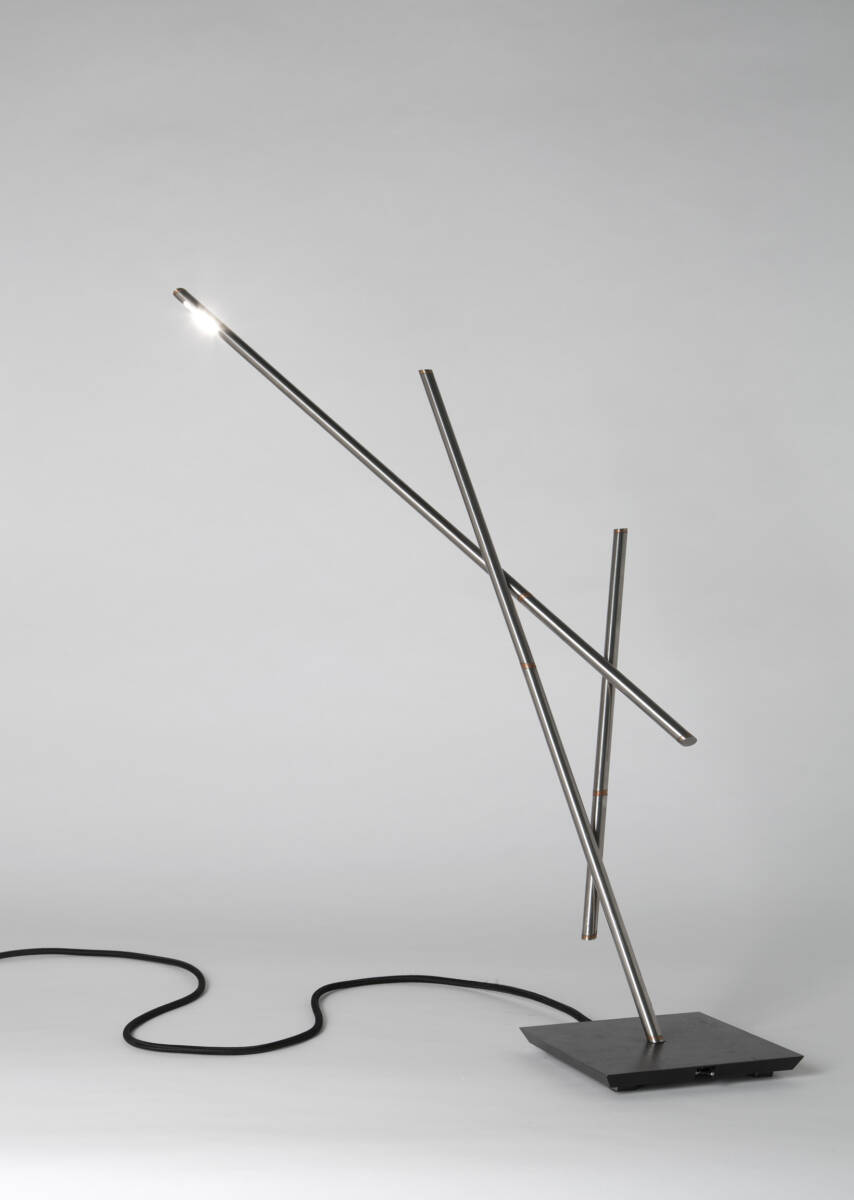
Joseph Spannagel, Germany
Technology
Joseph Spannagel’s light object is characterised by the numerous vibration and configuration options, the carefully considered power line and the innovative power transmission. The jury was impressed by the novel construction and the use of internal magnets.
Sarah Bartmann, Germany
Ceramics
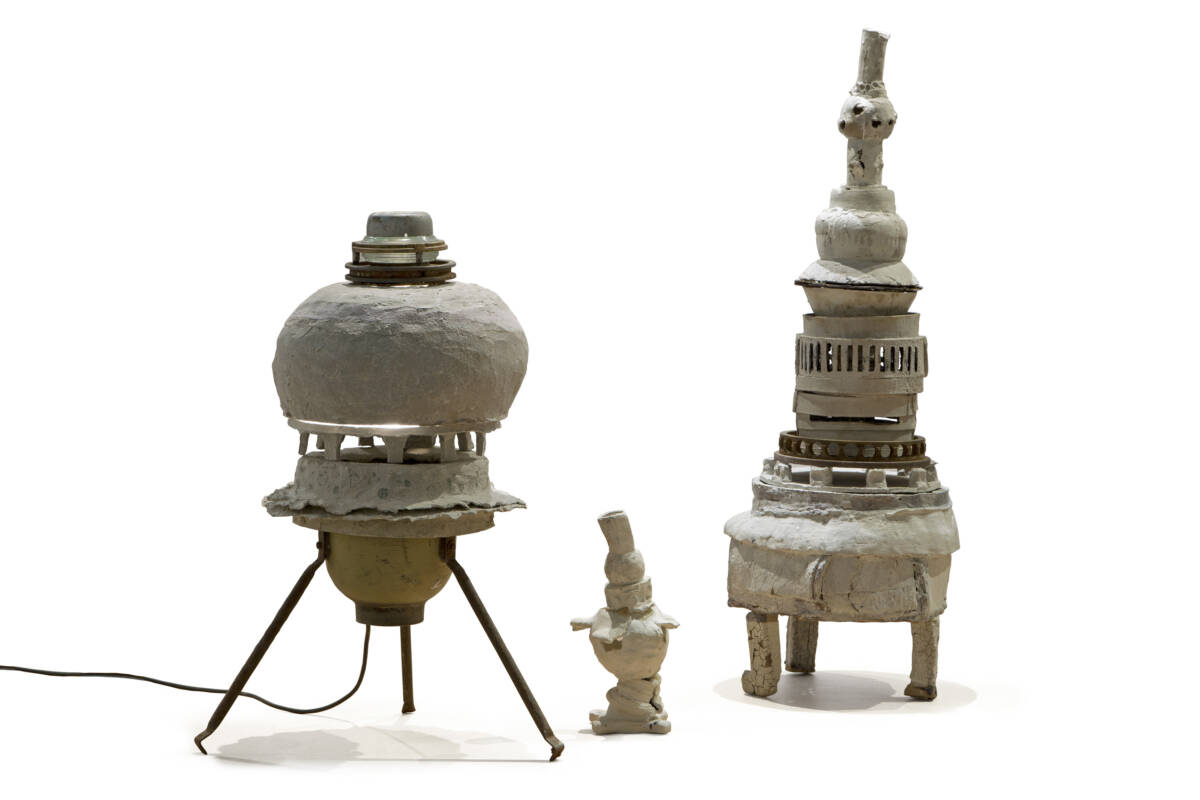
The jury selected ceramic works that represent different contemporary viewpoints: Sarah Bartmann’s powerful, lively works, which integrate found objects, impressed the jury with their individuality, their playful and experimental quality and their oscillation between object and functional object. At the same time, the works are exemplary for the coexistence of craft and content.
Jieun Oh, South Korea
Ceramics
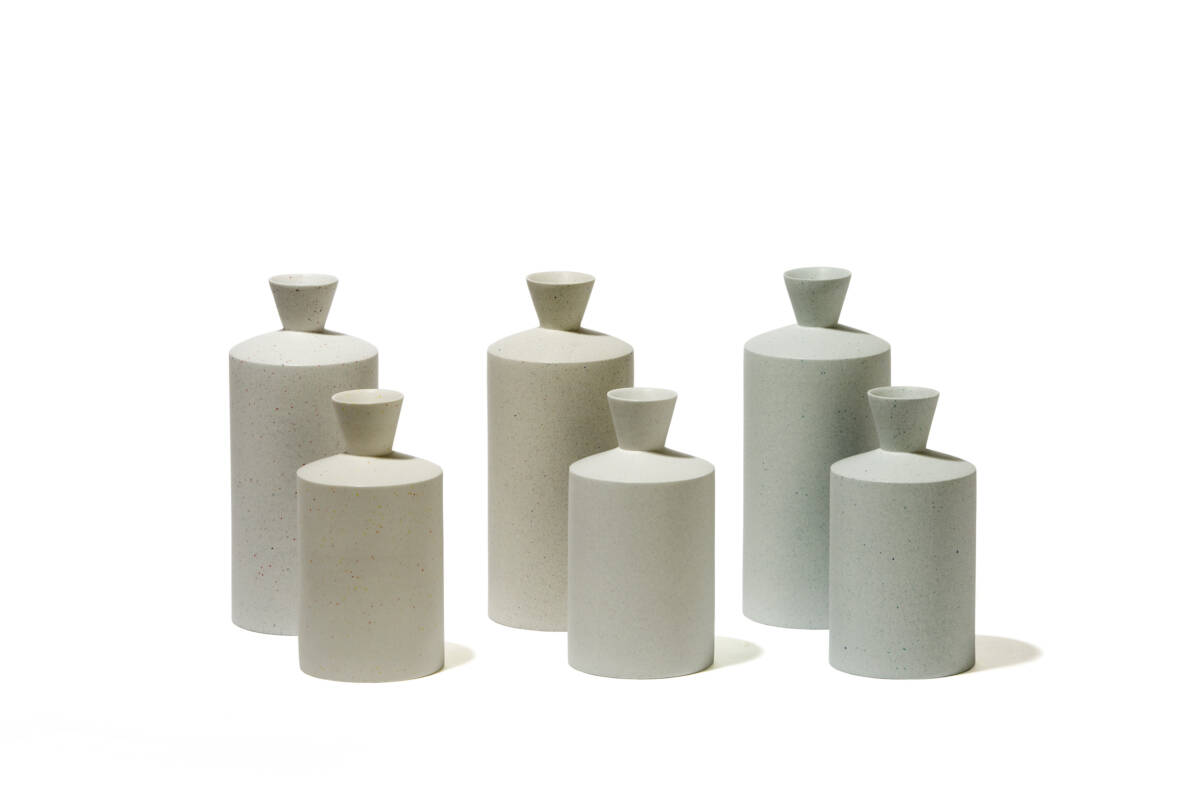
In Jieun Oh’s vases, the jury saw a different contemporary approach to ceramics: The sensitive handling of the material, which is emphasised by the austerity and simplicity of the form, convinced the jury. The sameness of the form draws attention to the fine, subtle colour coordination within the group. The differences only become apparent on closer inspection.
Carina Deuschl, Germany
Furniture
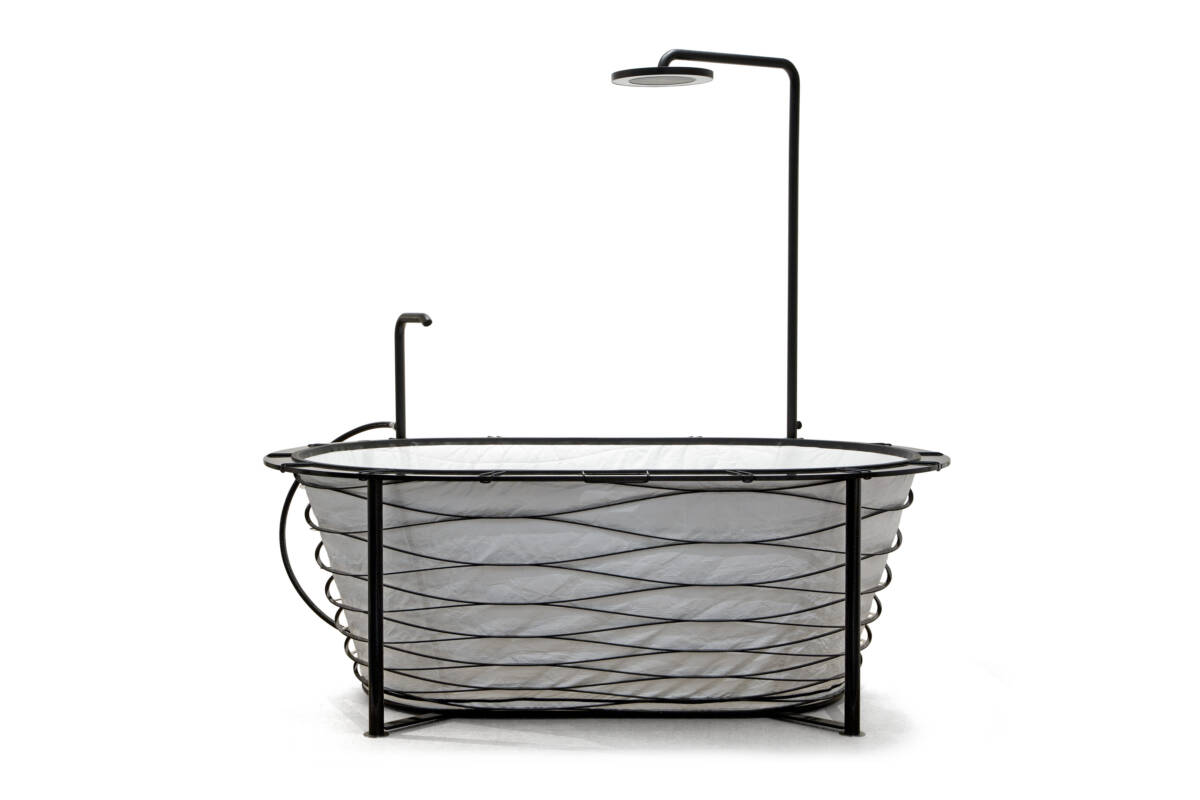
Carina Deuschl’s transportable bathtub impresses with its innovative idea and successful implementation. The prototype, which can still be expanded, responds to current social and political circumstances: The growing mobility, the density of living space, but also the problem of refugee accommodation. In addition, the graphic elegance and reduction of the design was appealing.
Edu Tarin, Spain / Germany
Jewellery
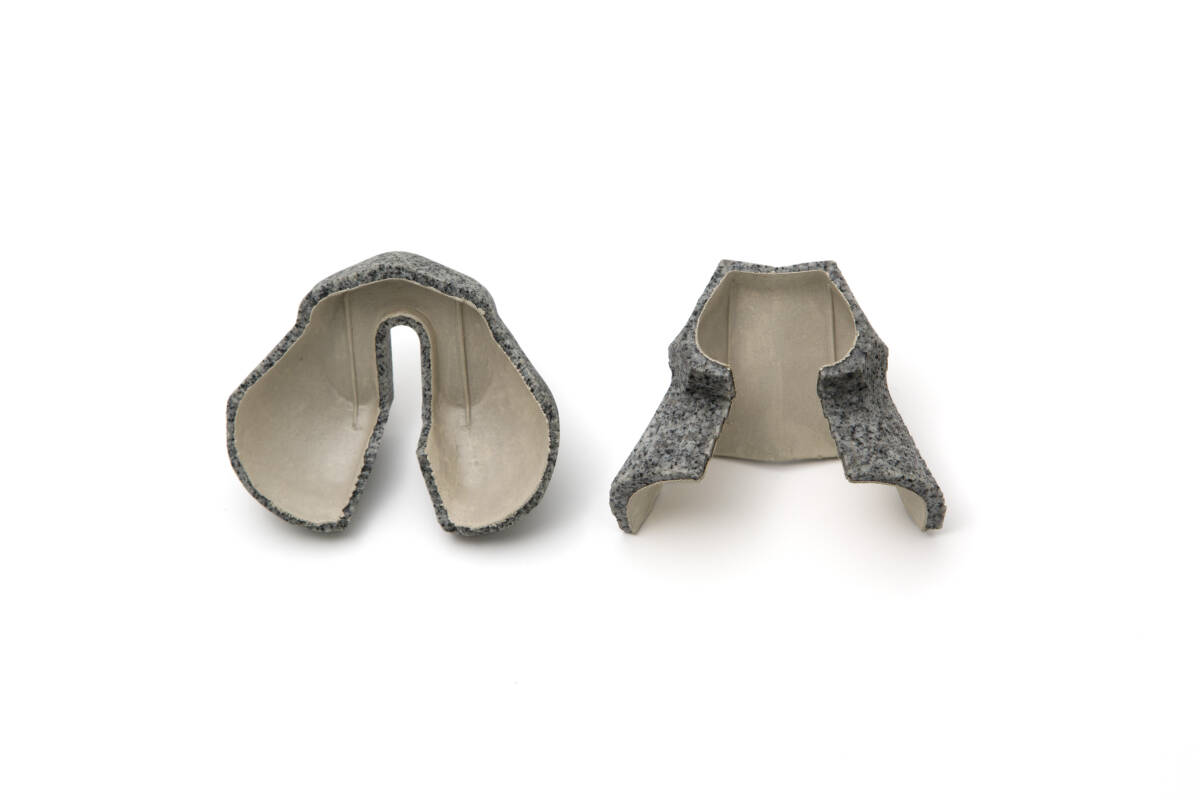
Edu Tarin’s brooches and pendants are impressive not only for their sculptural quality, but also for the unusual way in which the materials are processed. They are characterised by the combination of old traditions and modern technology. The apparent simplicity of the seemingly monumental works focuses attention on their unusual surface.
Dovile Bernadisiute, Lithuania
Jewellery
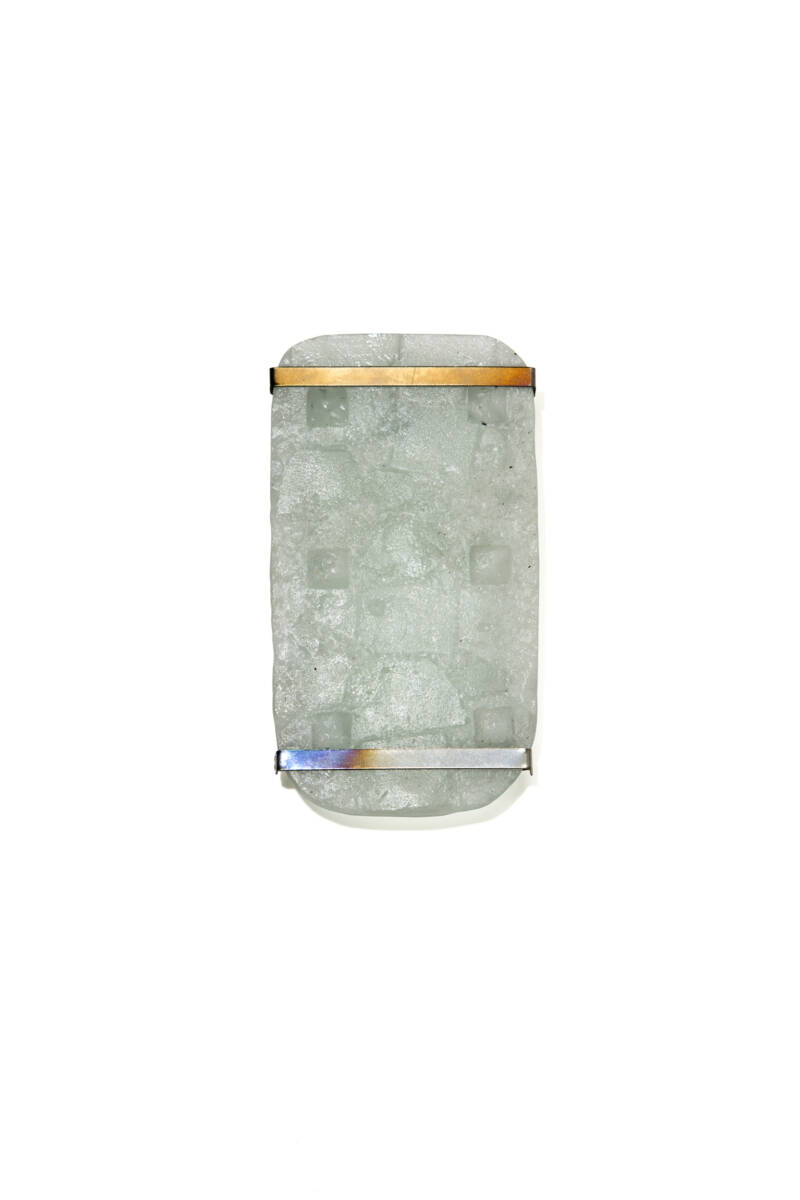
In Dovile Bernadisiute’s pendants and brooches, the jury emphasised both the examination of contemporary life and the successful reworking and processing of found objects. Not only the source materials but also the design are based on modern everyday life in transit areas such as train stations and airports, referencing cell phones and powder compacts. The works radiate calm and take on a talisman-like function.
Naama Ben Moshe, Israel
Textile
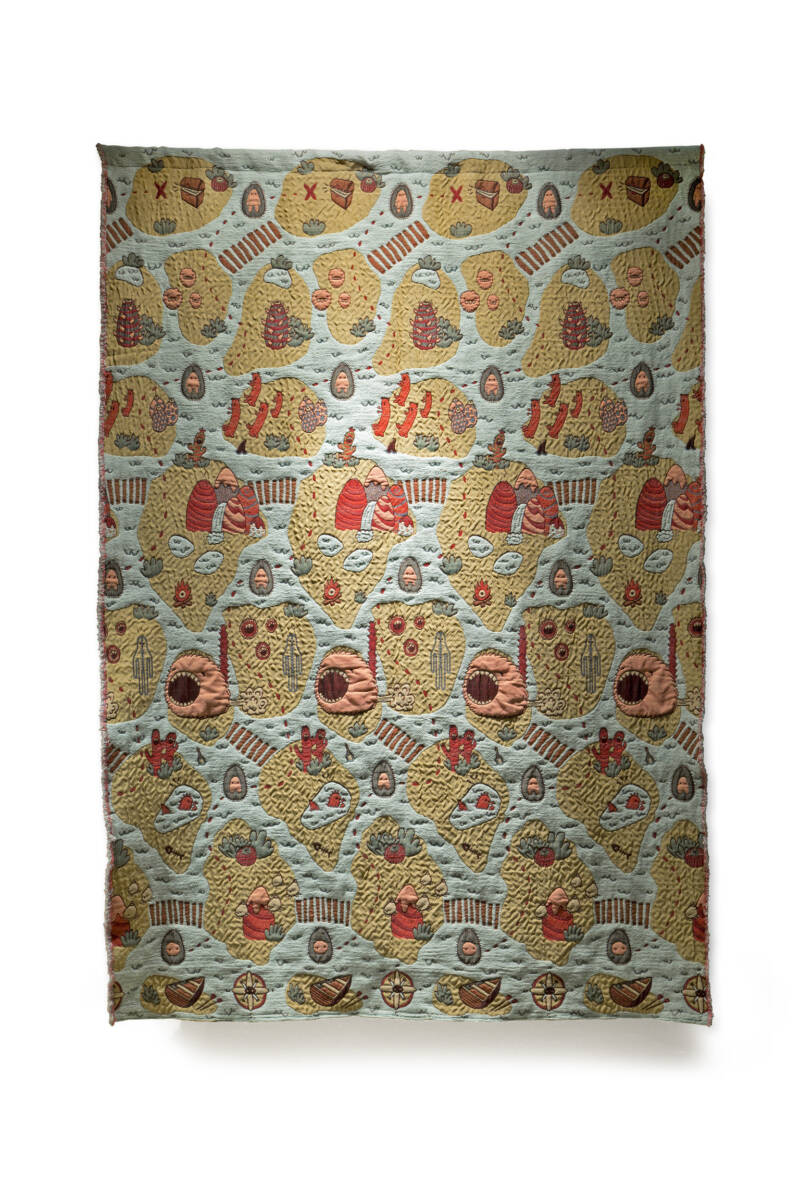
The jury was impressed by Naame Ben Moshe’s “A Map for an adventure” and “A Human Slough” because of the combination of an old technique and a modern story, as well as the reference to old traditions of narrative textiles. The work is characterised by the choice of an original modern style that combines elements of computer graphics and comics with those of fairy tales and world exploration, as well as by its playful character and successful drawing.
Mariana Mejia Suarez, Colombia / Belgium
Typography
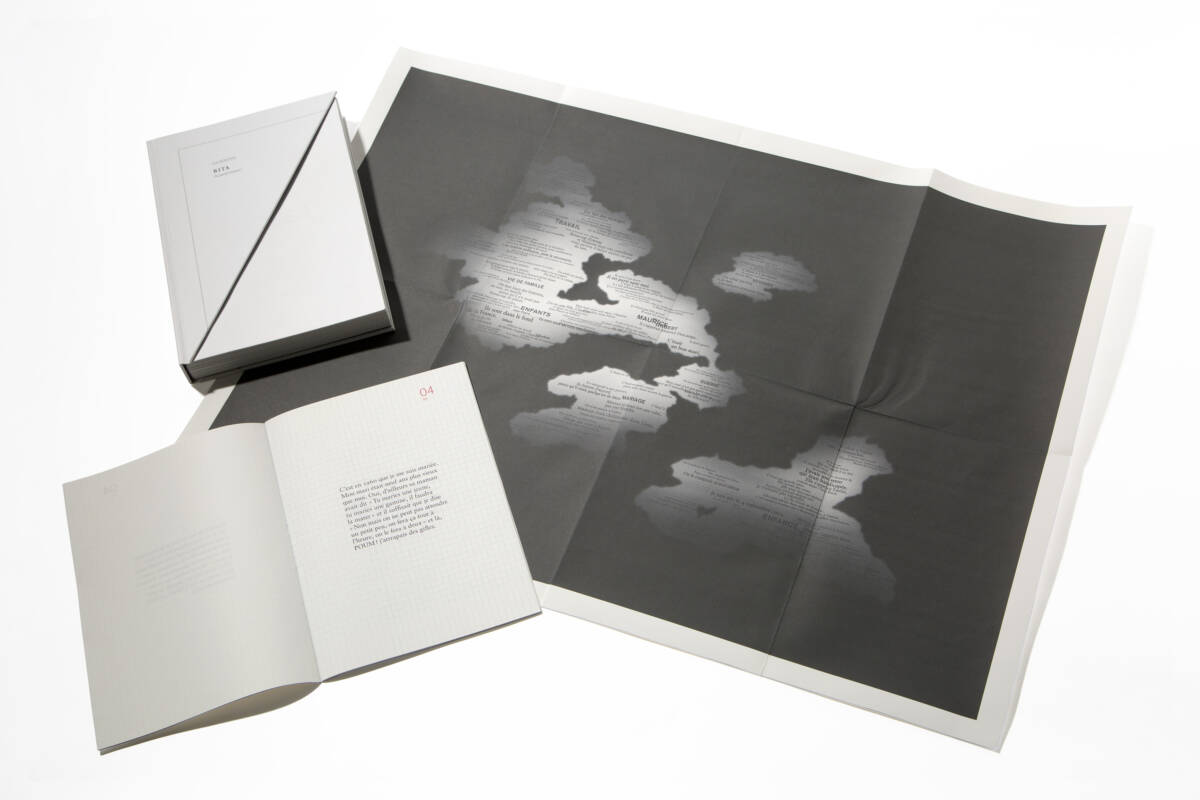
Mariana Mejia Suarez’s three-part work deals with the topical subject of Alzheimer’s disease in a very empathetic and sensitive way. The jury was impressed by the multi-layered and poetic graphic realization of the disease. The work is characterized by restraint, seriousness, concentration, calm and the high aesthetic quality of the creative interpretation of a contemporary problem.