TALENTE – Meister der Zukunft 2015
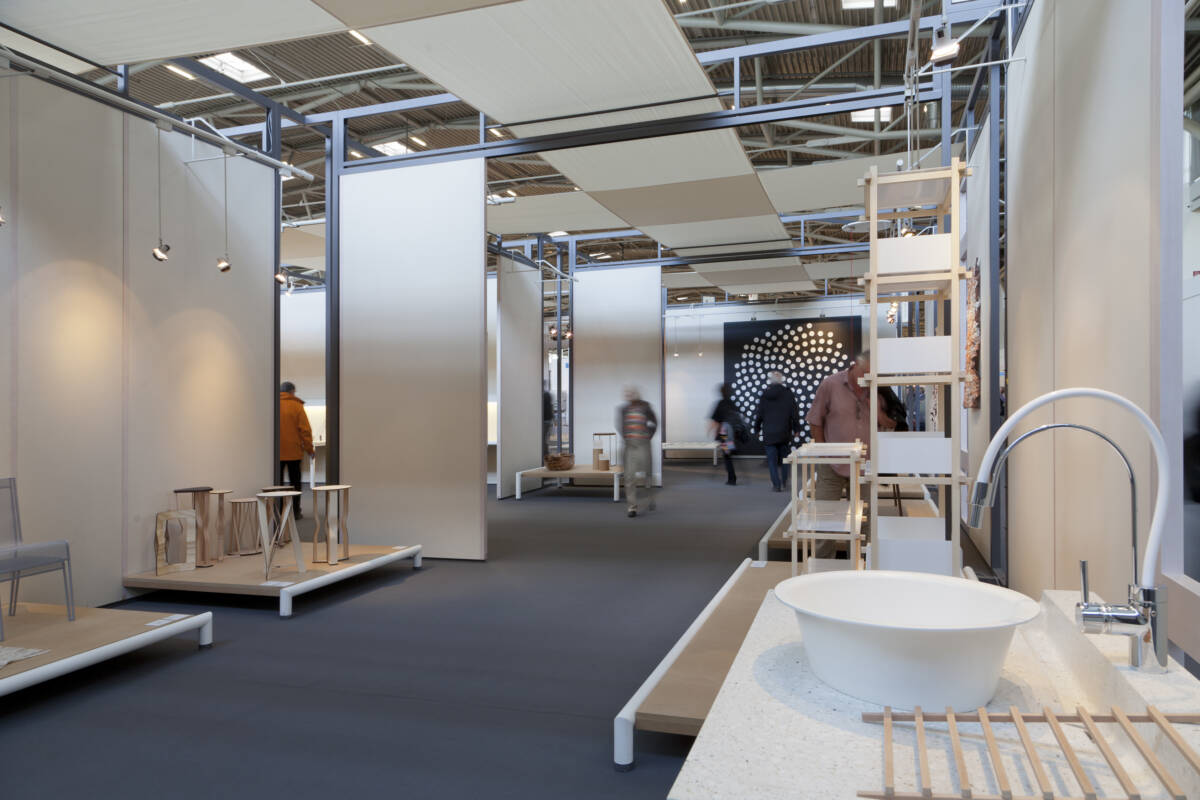
This year’s special exhibition “TALENTEmünchen – Meister der Zukunft” showcased the work of 99 young designers from 32 countries and 12 different crafts. Over 600 applications from more than 30 countries were received for “TALENTEmünchen 2015”. Entries were selected from Australia, Belgium, China, Germany, Finland, France, Ghana, Great Britain, Iran, Israel, Italy, Japan, Canada, Colombia, Cuba, Lebanon, Mexico, New Zealand, the Netherlands, Norway, Poland, Sweden, Switzerland, the Slovak Republic, Spain, South Korea, Taiwan, the Czech Republic, Tunisia, Ukraine and the USA.
The special show is a reflection of the ideas of young people, characterized by an experimental approach to materials and craft techniques. Munich is an attractive place for them to present their work to an international audience, and the fact that TALENTE encompasses many crafts and that the works can oscillate between art, design and crafts adds to the special appeal of this exhibition. In the juxtaposition of the works, different current design viewpoints become visible and tendencies of individual educational institutions become apparent.
Current trends
Winners of the “TALENTE – Meister der Zukunft” prize 2015
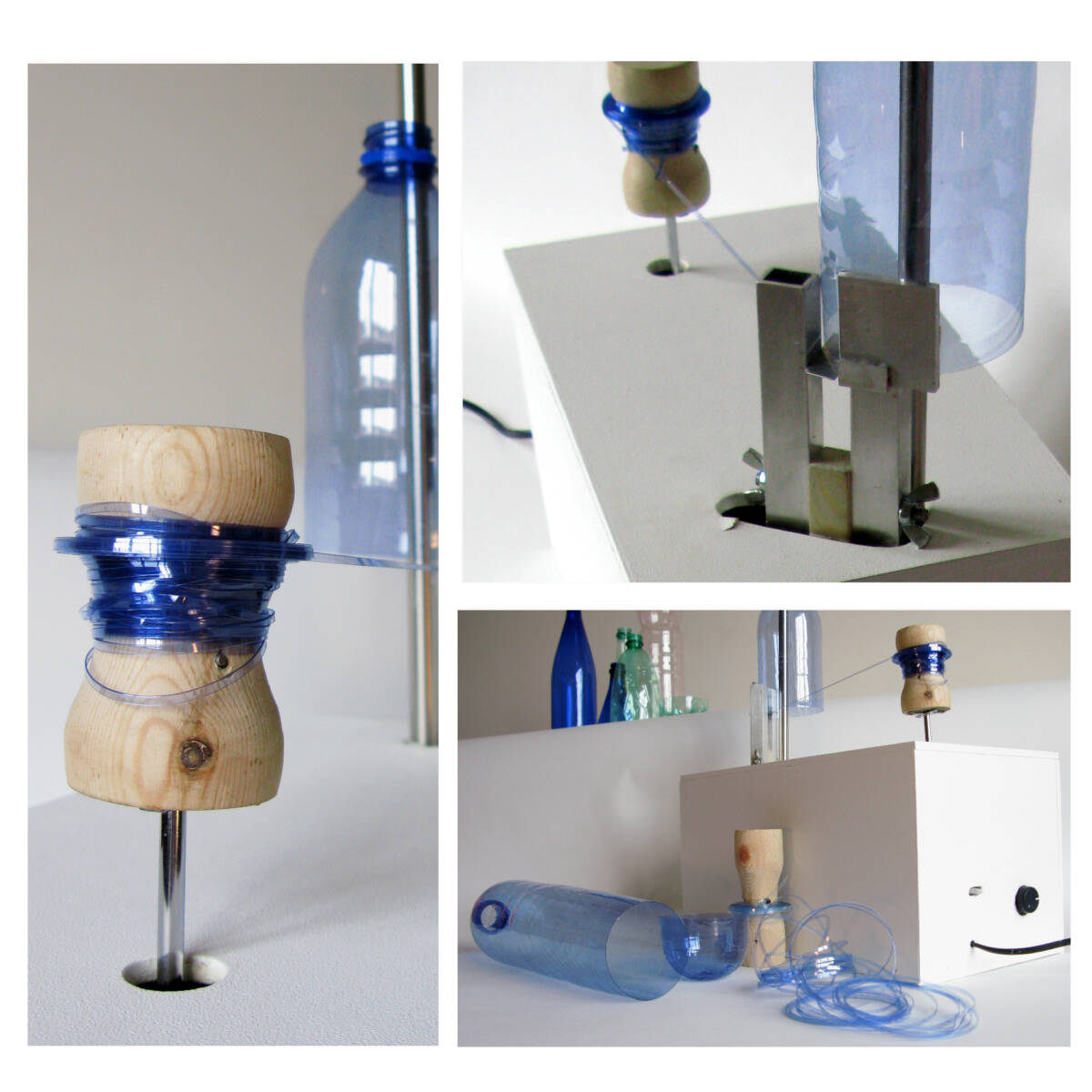
Selma Houissa, Tunesien / Belgien
Technology
Selma Houissa’s machine for cutting plastic bottles impressed the jury with its worldwide and multiple usability. The jury considered the extension of PET as a material without additional energy consumption and larger plant technology as well as the many possibilities for further processing to be forward-looking.
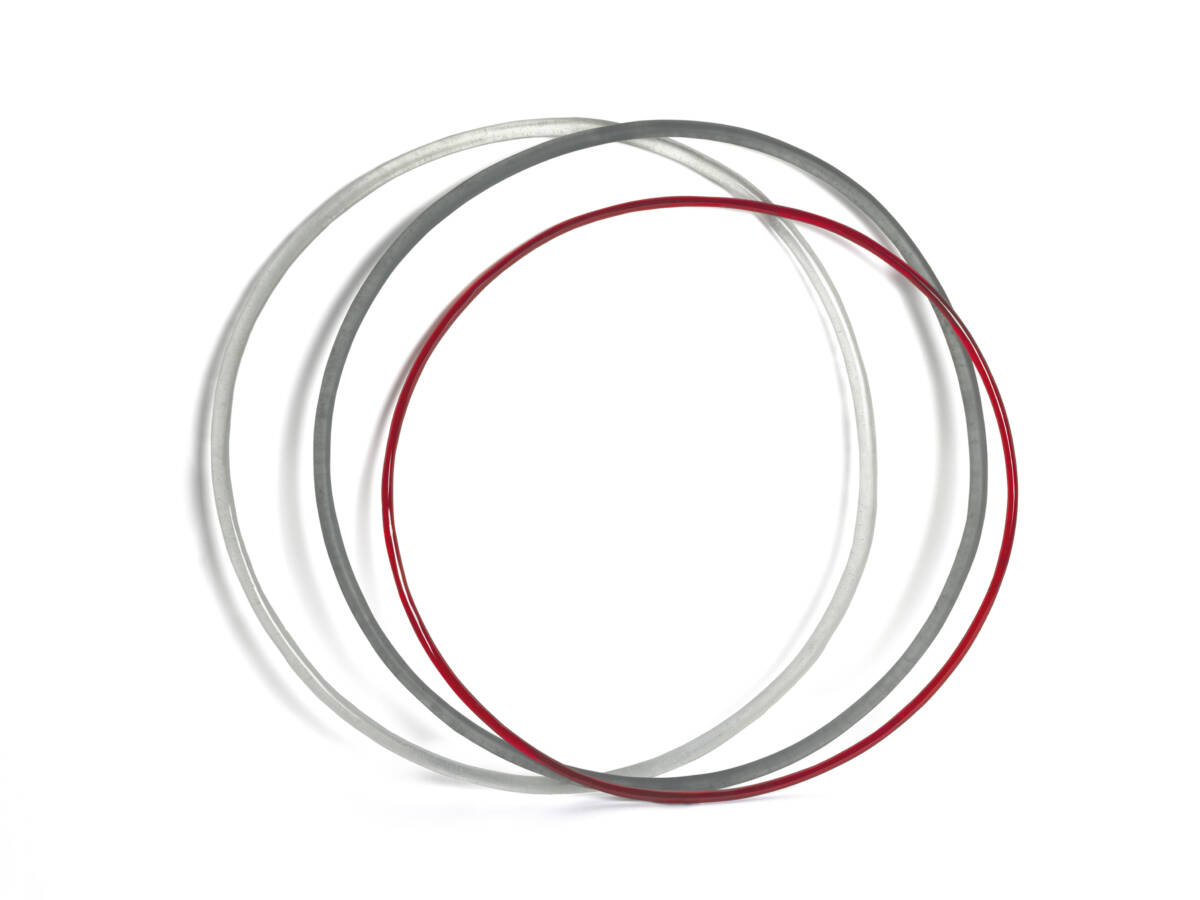
Anne Martin, Germany
Glass
Anne Martin’s glass hoops impressed the jury with the quality of their realisation and their playful, light character. The jury was fascinated by her seemingly flowing and frozen form, her graphic conception and her interaction with the surrounding space.
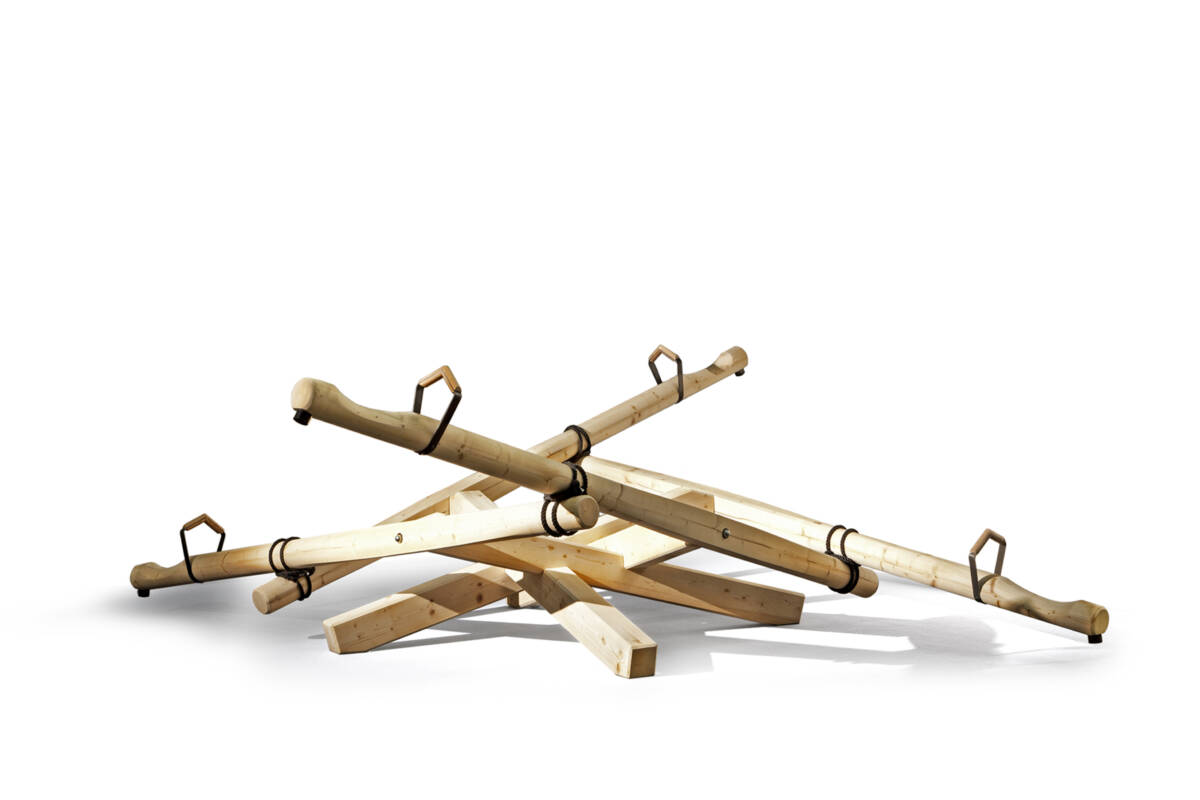
Matthias Pötz, Italy
Wood
Matthias Pötz seesaw encourages people to interact, to engage in a mutual dialogue, to strive for balance and, in this context, to train respect and communication. The simple construction and production method are also convincing. At the same time, the seesaw looks like a dynamic sculpture.
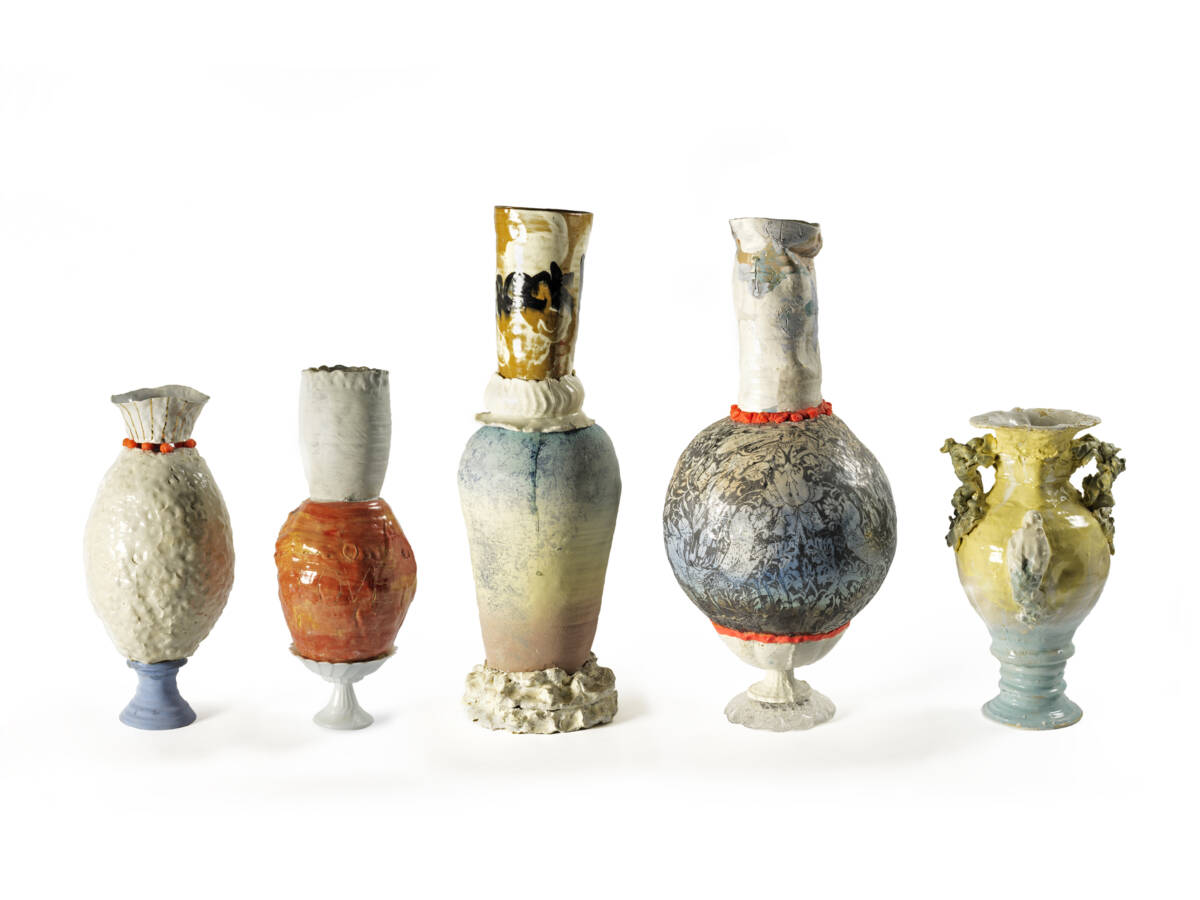
Sarah Pschorn, Germany
Ceramics
Sarah Pschorn deals with traditions in an innovative way in her vases. The jury was impressed by her free approach, creative approach and openness in dealing with the history of ceramics. Her works show respect and a certain humour towards the traditions, which she interprets in an original way.
Mark Damen, Netherlands
Furniture
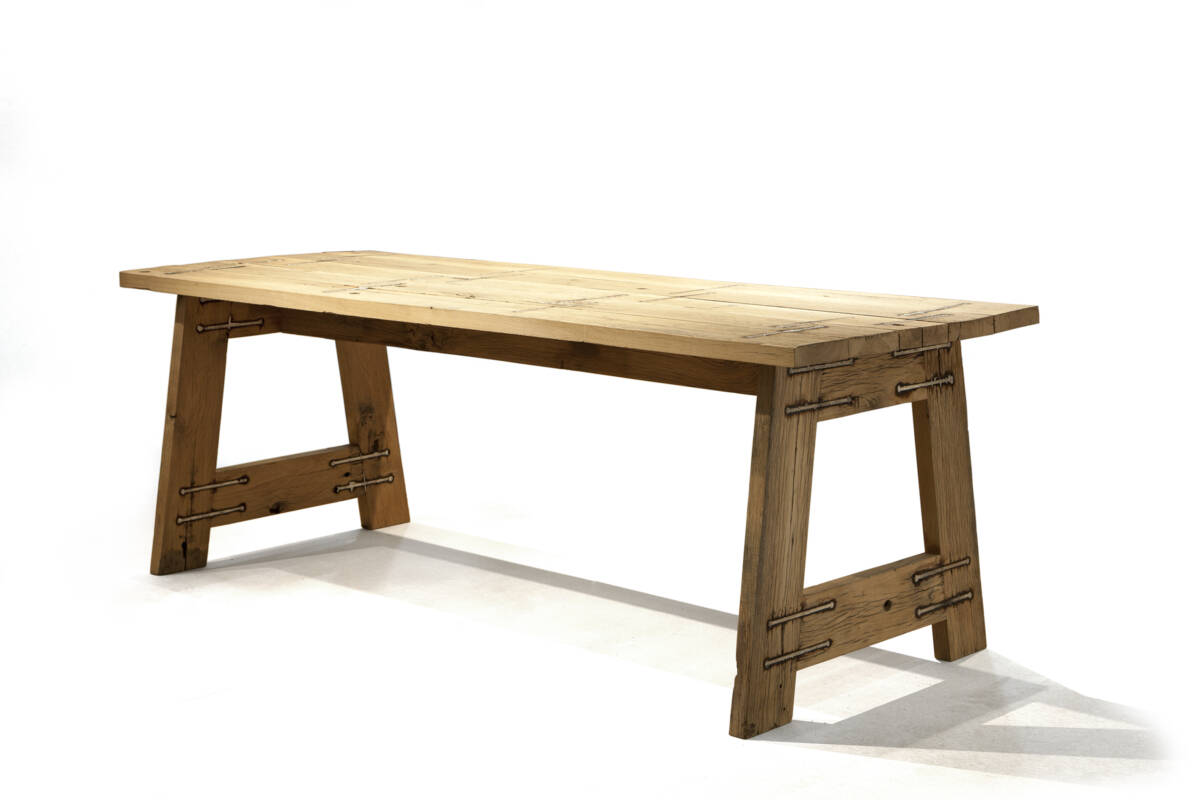
Mark Damen’s table impresses with its symbiotic combination of wood and metal. Production and aesthetic appearance are inextricably linked. The jury was fascinated by the unusual approach of the table itself forming the mold for the metal and thus simultaneously consolidating the form.
Jing Yang, China / Germany
Jewellery
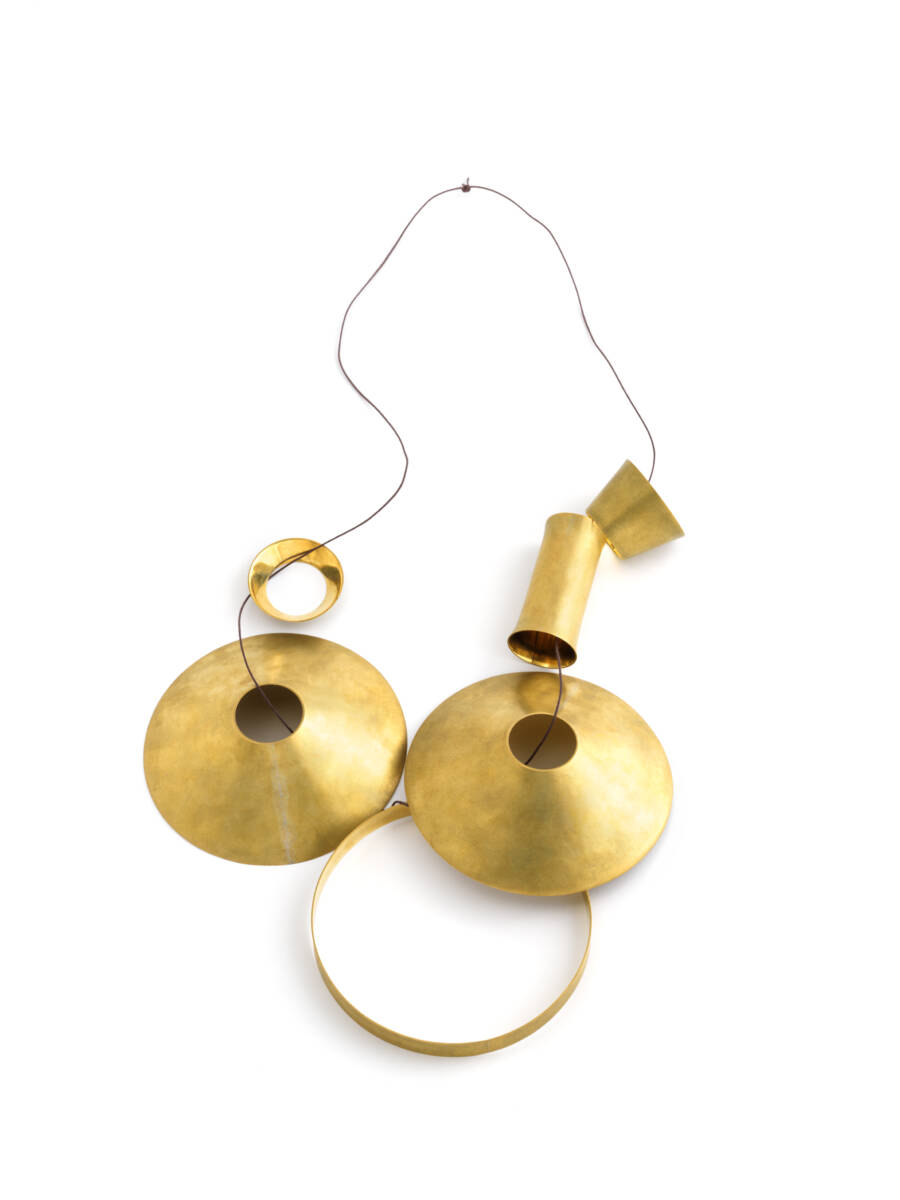
Jing Yang’s “I am not a vase” forms an object that changes and dissolves in contact with the body. In a way, the vessel symbolises the body on which it then appears as an ornament. In addition to the aesthetically unusual concept, the jury also praised the conceptual approach, which deals with questions of cultural tradition and the role of women in society
Fynn Freyschmidt, Germany
Textile
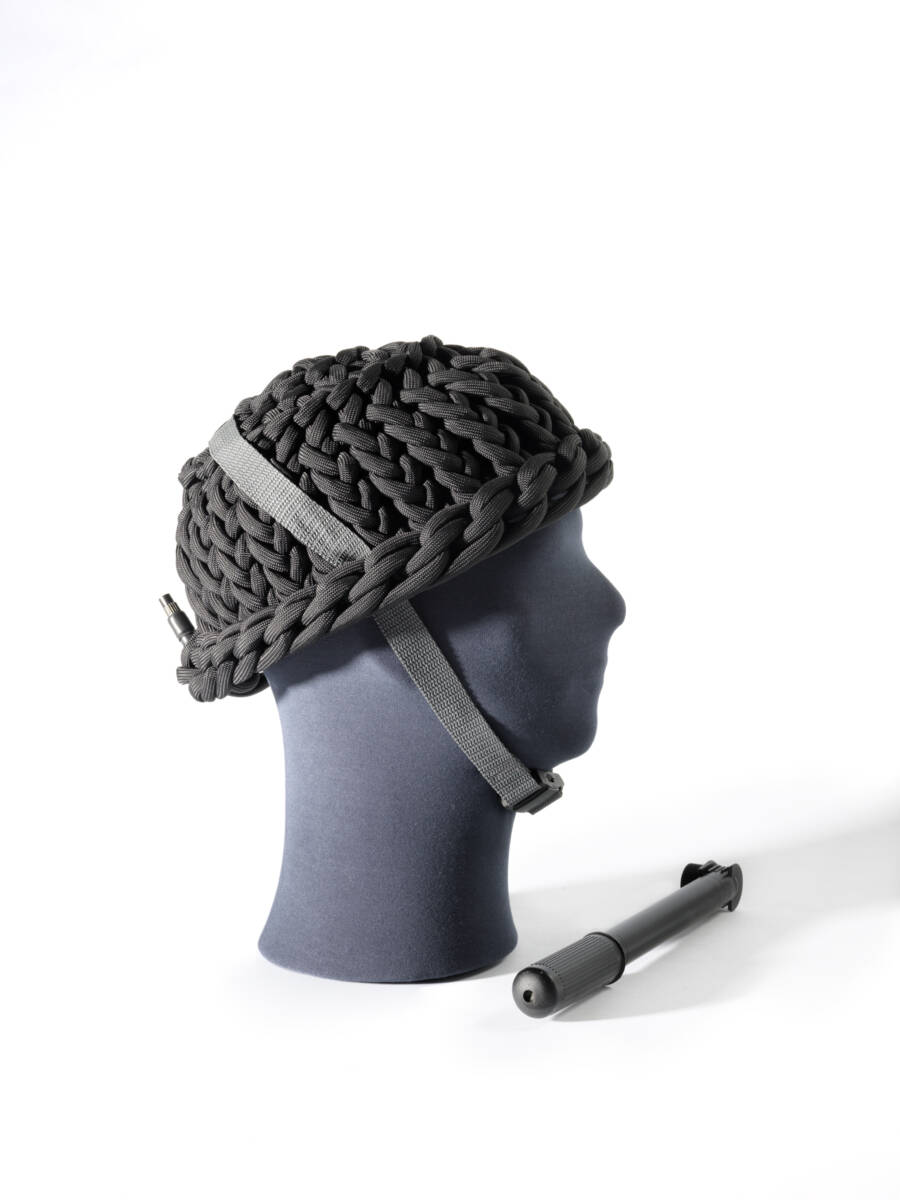
Fynn Freyschmidt’s “Chapeau” is a new idea that combines an outer textile tube and an inner silicone tube. The knitting gives them strength and stability. The inflated tube functions like an artificial muscle. The jury praised the innovative approach and the wide range of uses that this invention allows.
Ravit Hefer, Israel
Textile
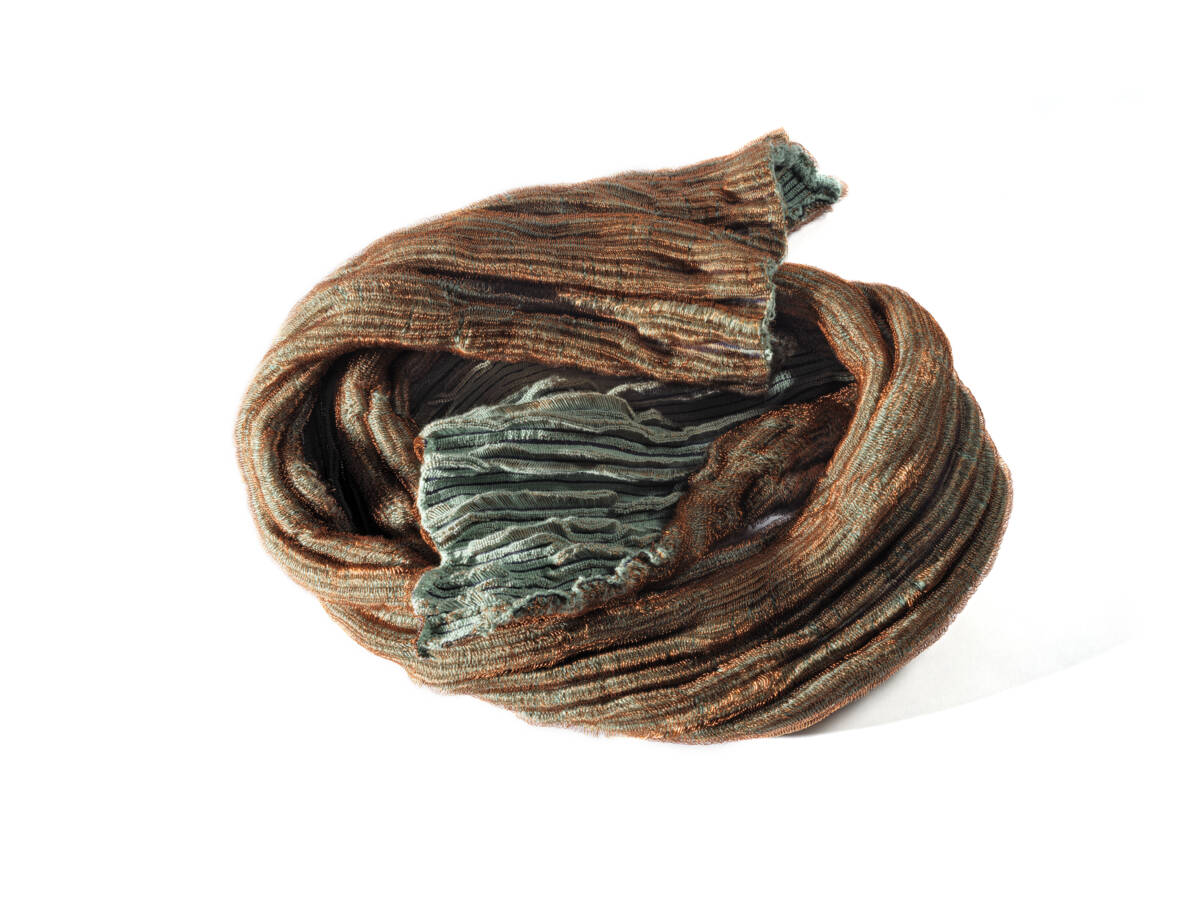
Ravit Hefer’s textile works fascinate with their splendor and ornamentation as well as their unusual construction, in which the fibres themselves form the framework, but at the same time break through the expectations associated with a grid. The three-dimensional, voluminous form has an unusual and dynamic effect. The works seem to oscillate between control, spontaneity and freedom.
Winners of the Bavarian State Prize 2015
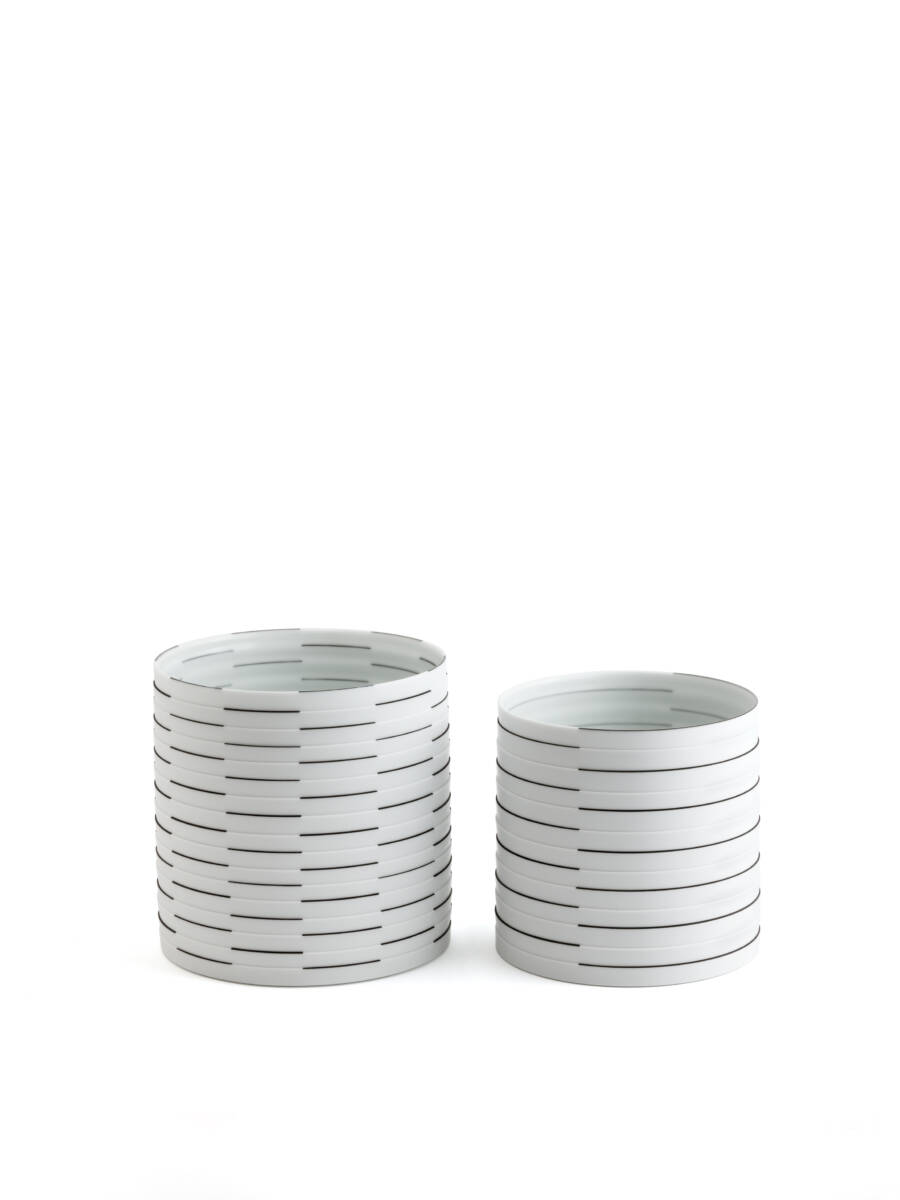
Bokyung Kim, South Korea
Porcelain vessels
The perfection of white porcelain is the concern of Korean ceramist Bokyung Kim. The striking line decorations, the nuances in the arrangement of the stripes, the proportions of patterns and shapes document in their apparent casualness the careful considerations that underlie these vessels. They achieve maximum effect through simplicity.
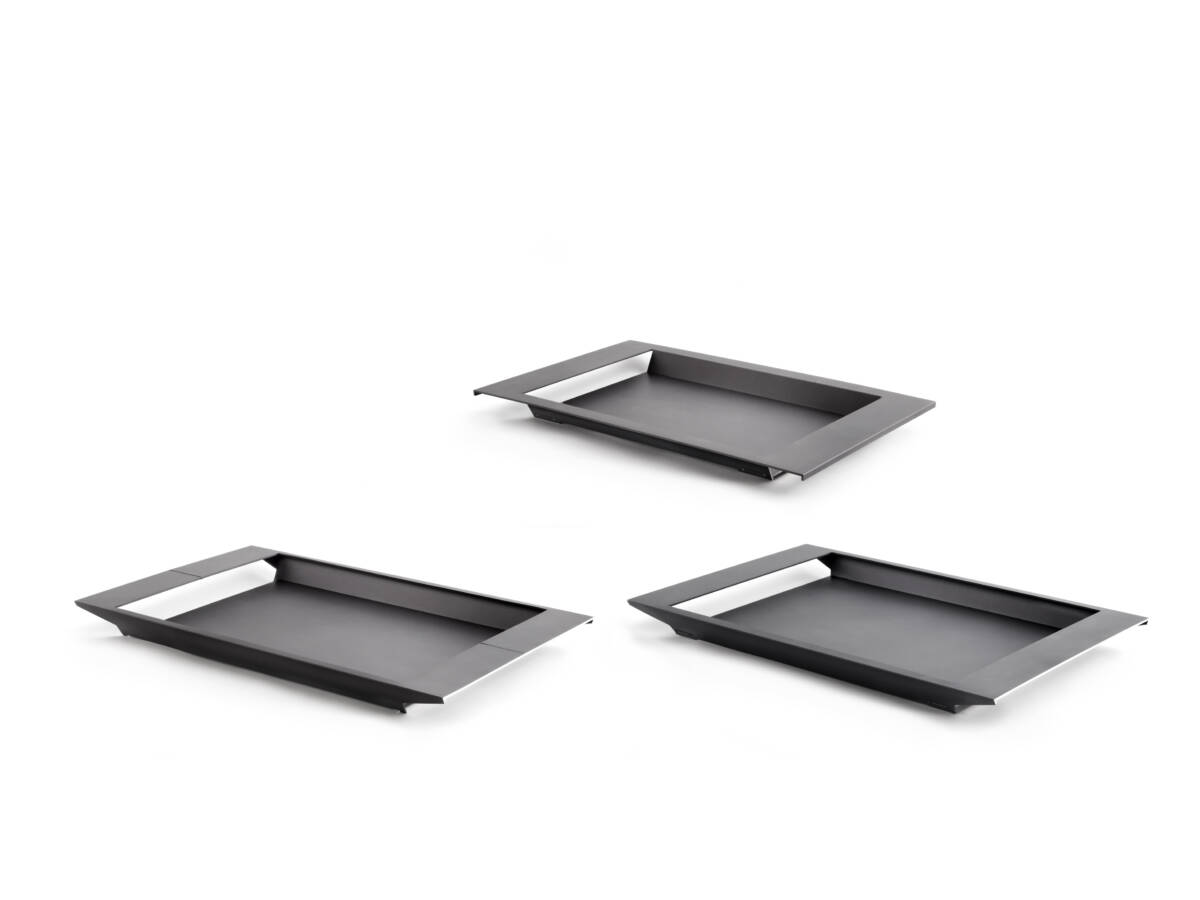
Christoph Weißhaar, Germany
Aluminium trays
The trays by Christoph Weißhaar are characterized by an innovative pattern concept. The three-dimensional shapes are developed from the surface. They are created by milling and folding the sheet metal with very small radii. The result is a light, functional tray with a strict geometric appearance.