TALENTE – Meister der Zukunft 2014
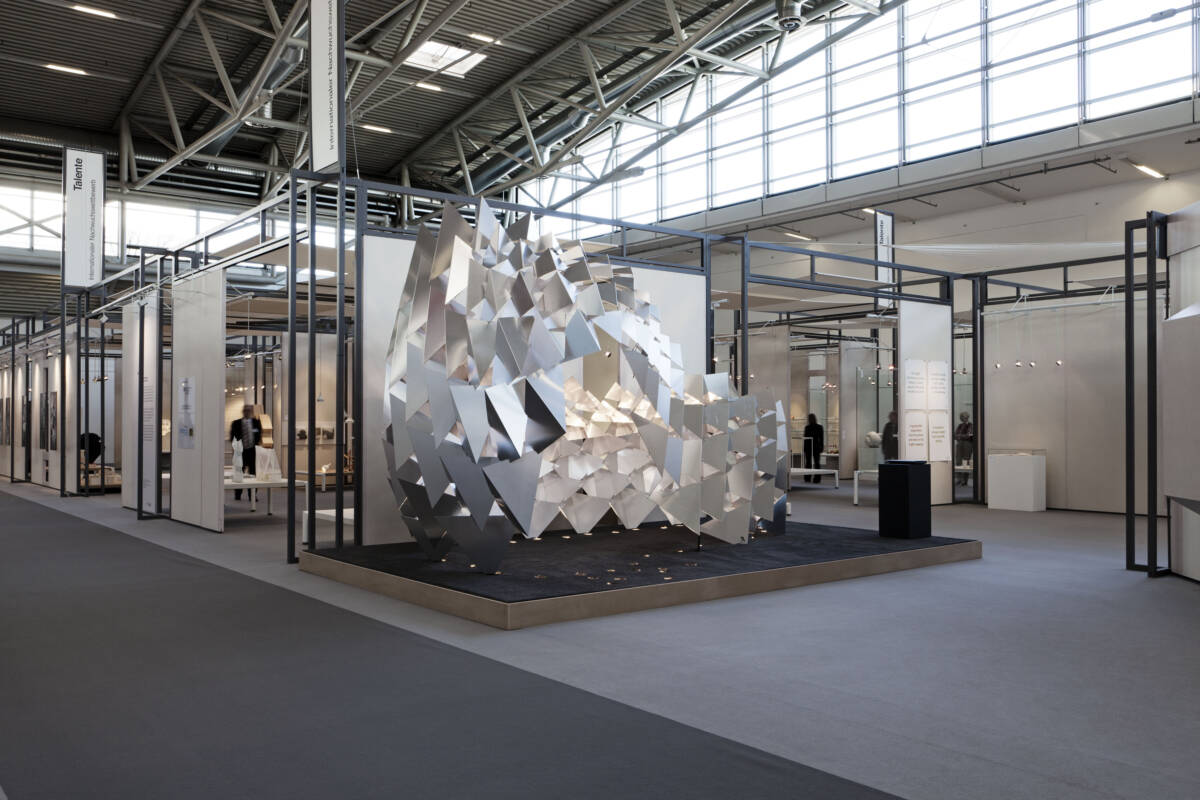
This year’s special exhibition “TALENTEmünchen – Meister der Zukunft” showcased the work of 100 young designers from 28 countries and 14 different crafts. Thanks to the support of international mentors, it was once again possible to present interesting and original contributions at the special show in Munich.
Over 700 applications from more than 30 countries were received for “TALENTEmünchen 2014”. Entries were selected from Australia, Austria, Belarus, Belgium, China, the Czech Republic, Denmark, Finland, France, Germany, Great Britain, Iran, Israel, Italy, Japan, New Zealand, the Netherlands, Norway, Poland, Portugal, Slovakia, Spain, Sweden, Switzerland, South Korea, Taiwan, Thailand and the USA.
Current trends
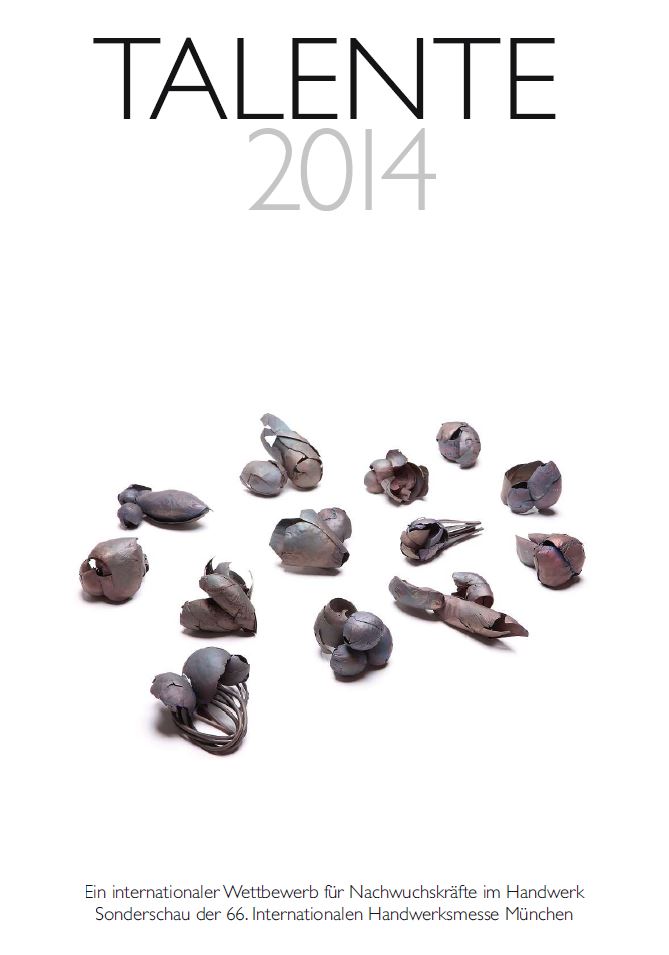
Winners of the “TALENTE – Meister der Zukunft” prize 2014
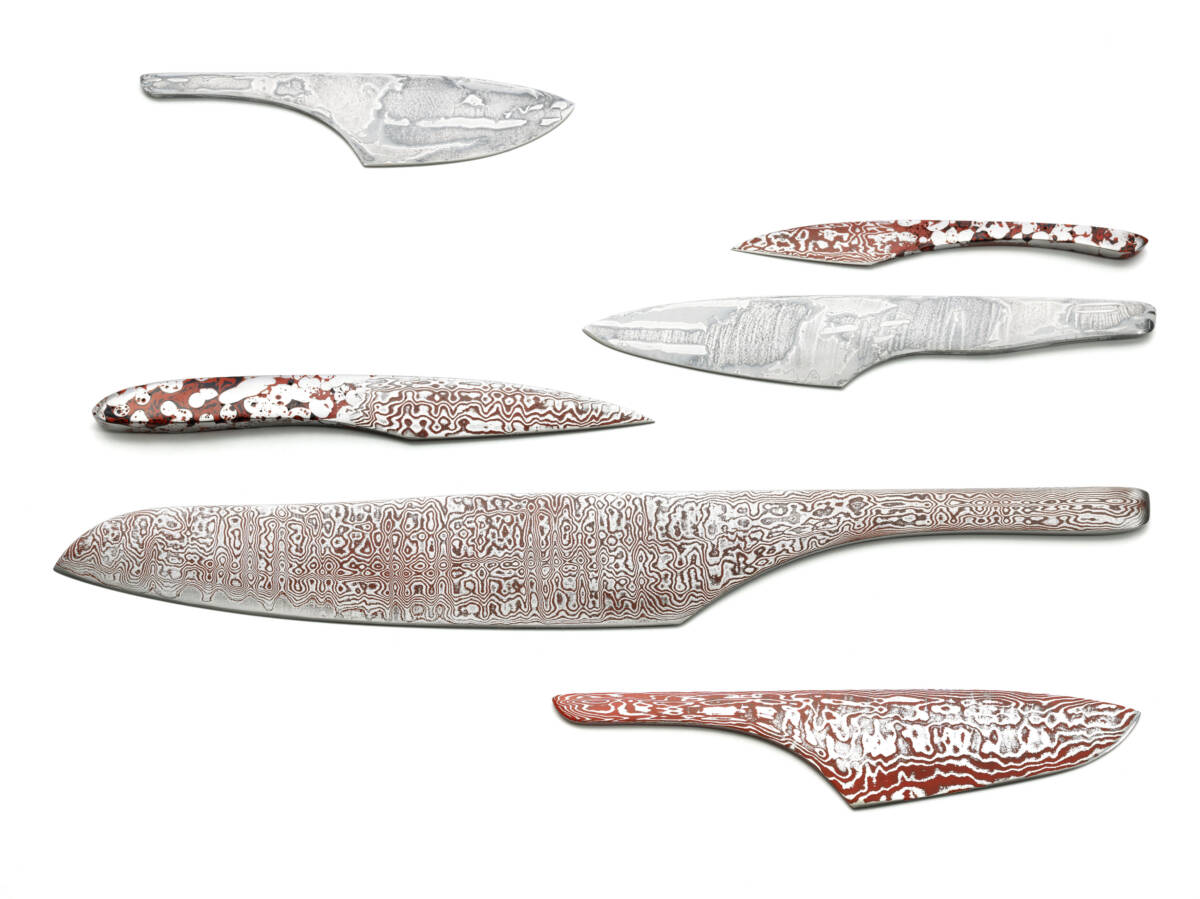
David Kaiser, Germany
Technology
In his Damascus steel knives, David Kaiser combines new design possibilities – the use of colour – with an innovative take on a traditional technique. In doing so, he also achieves an expansion of functionality and everyday use.
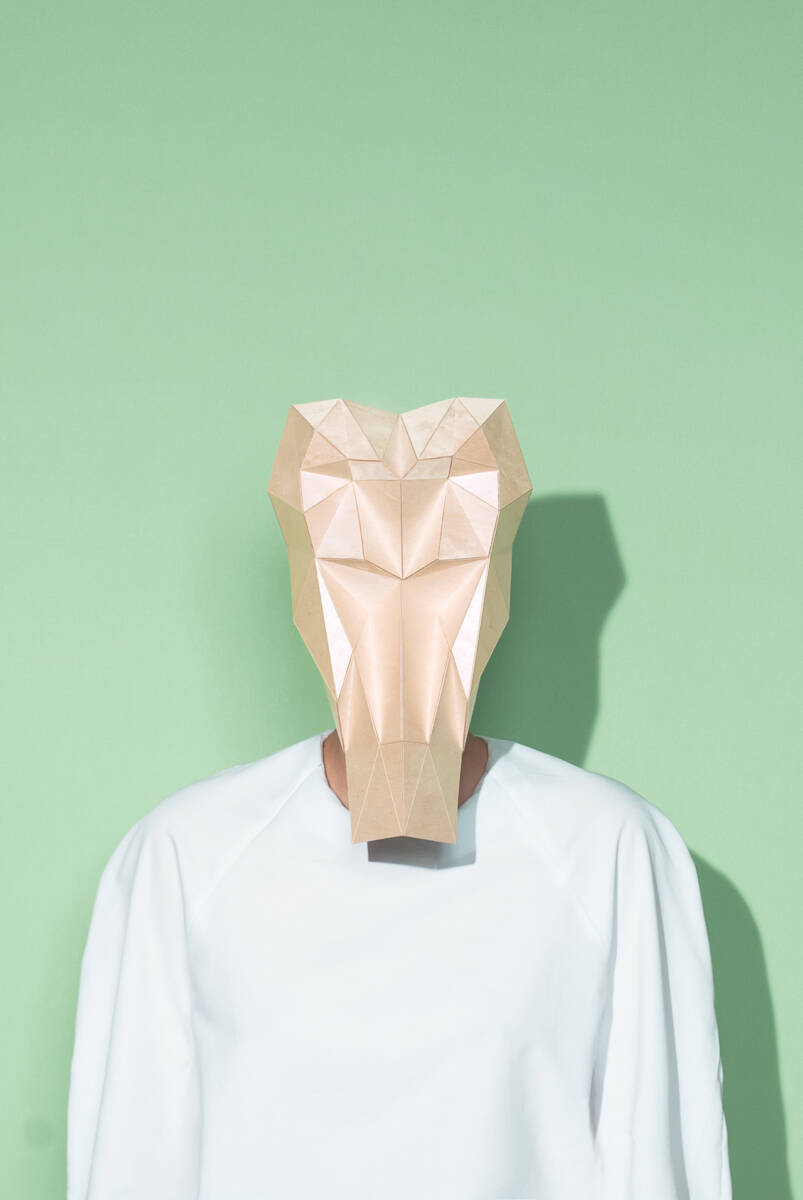
Lisette Appeldorn, Netherlands
Wood
Lisette Appeldorn’s masks impressed the jury with their archaic, archetypal quality. Based on inspiration from African art, she seems to remeasure and capture the face, capturing and exploring the structure of a face and then translating it into a geometric form. The fundamental areas of a face are thus interpreted in a new way.
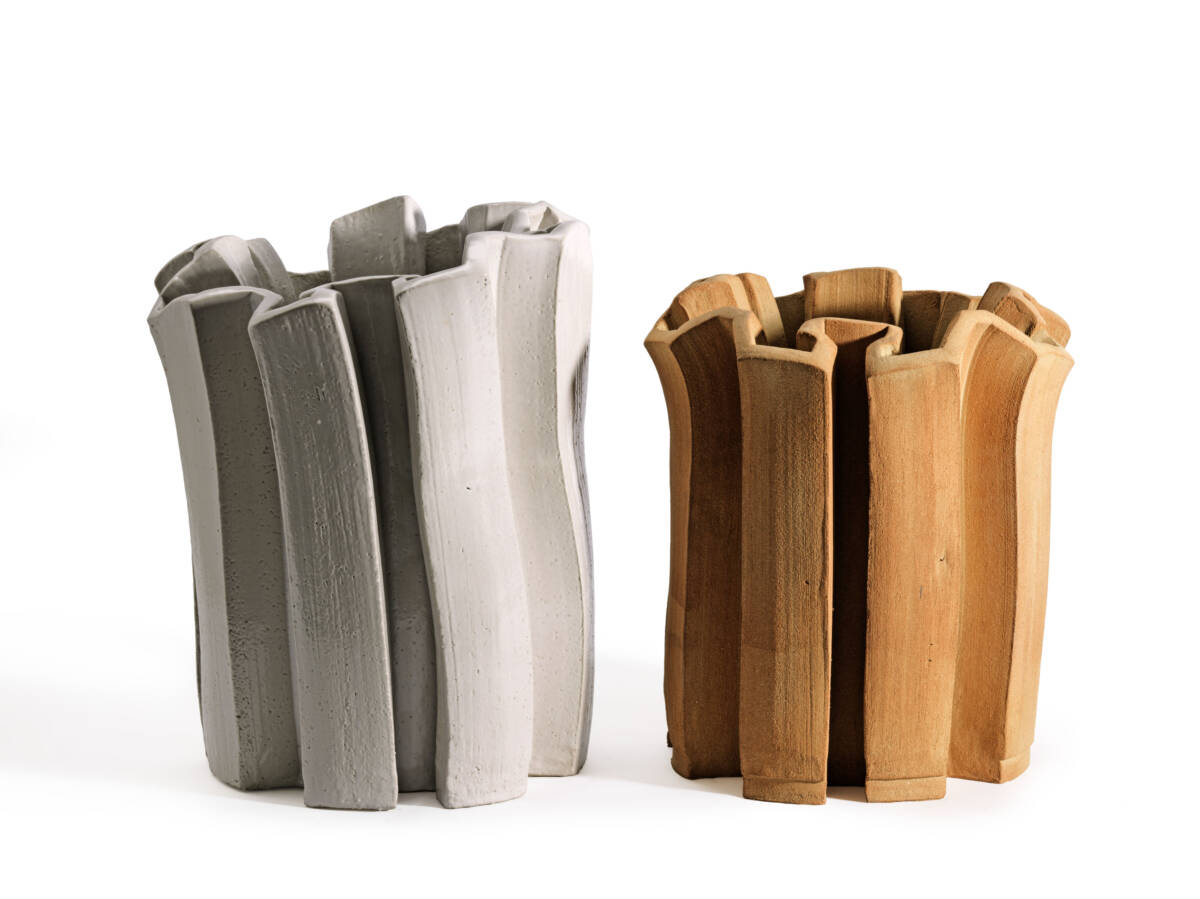
Floris Wubben, Netherlands
Ceramics
Floris Wubben’s ceramics were convincing due to the character of the vessels, their archaic, random quality and the production process, which makes it possible to produce individual vessels in a simple way. This demonstrates contemporary production methods that make it possible to create new works for the market relatively quickly in a high-quality way that takes up existing traditions.
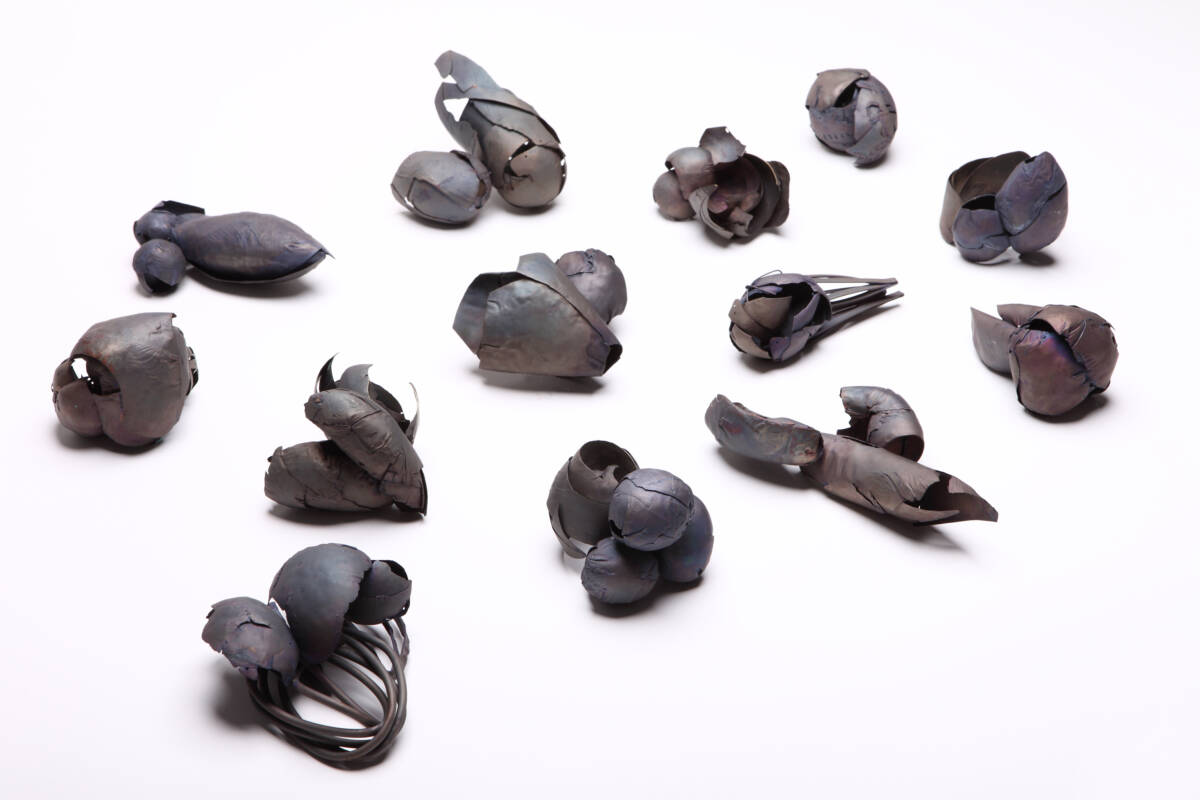
Jiun-You Ou, Taiwan
Metal
Jiun-You Ou’s objects made from residual materials have a subtle, fragile character; they appear almost like a fleeting drawing. Their seemingly soft surface acts as a contrast to the appearance actually associated with metal. This contrast contributes to the poetic character of the works, as does the charmingly nuanced play of colourfulness and the imaginative choice of forms.
Pieter Mark Schevers, Netherlands
Metal
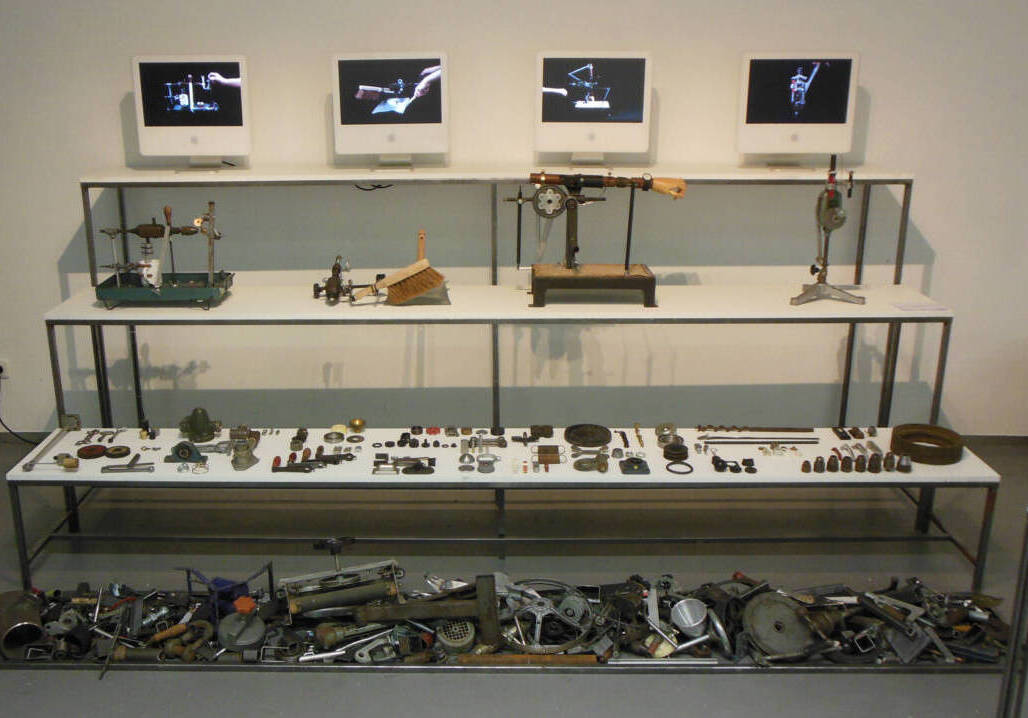
Pieter Mark Schever’s installation is a playful, imaginative, inventive celebration of mechanics. Things are given a new use, whereby the upcycling is done in a rather symbolic way, as the apparatus itself does not actually serve any real functional purpose. The installation itself combines materials, old-looking devices that seem to hark back to a long tradition from the Renaissance to Surrealism, and modern technology to create an exciting contrast.
Patricia Domingues, Portugal / Germany
Jewellery
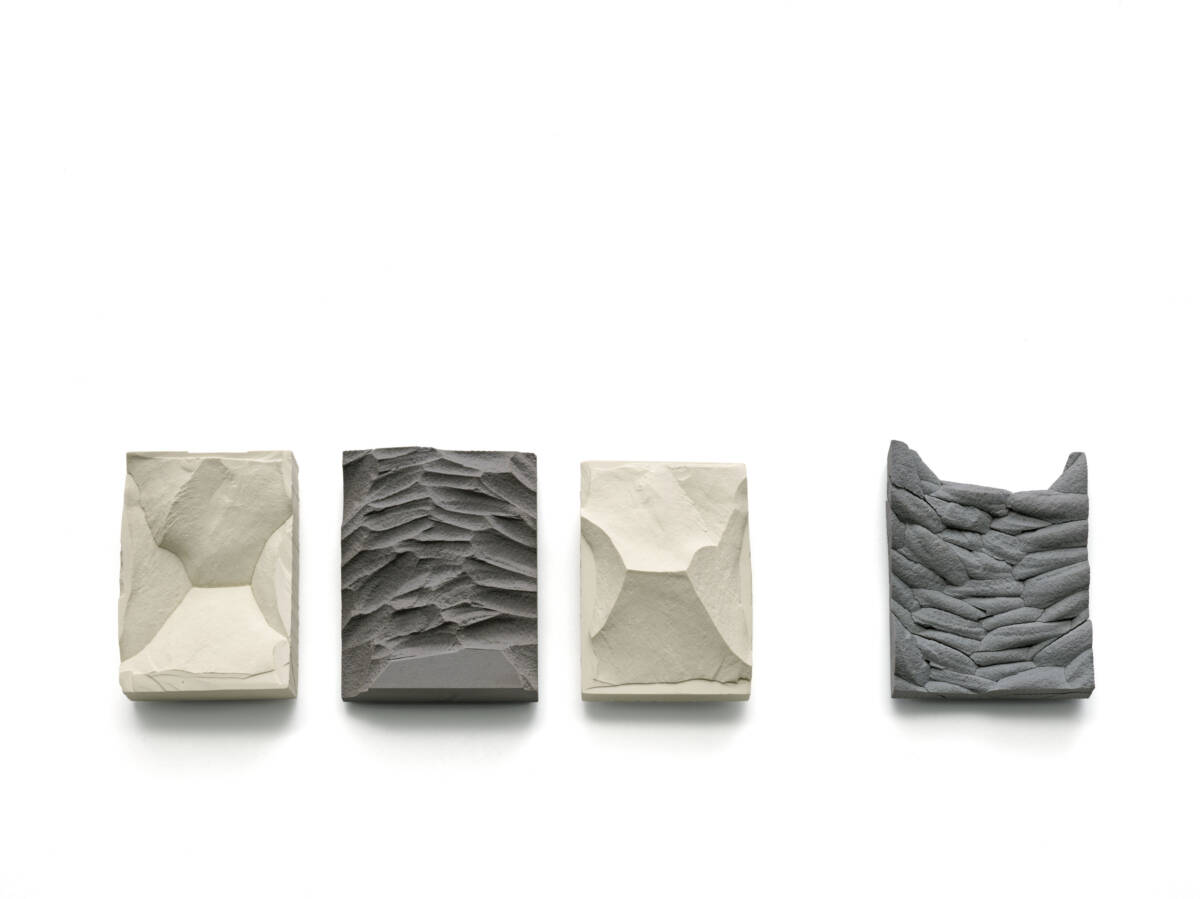
Patricia Domingue’s brooches impressed the jury with their subtle, sculptural treatment of the material. Like a sculptor, she lifts reliefs out of the surfaces. The seemingly simple and restrained works take on an almost monumental, lively and exciting quality through her use of technology and the design of the surface.
Lauren Tickle, USA
Jewellery
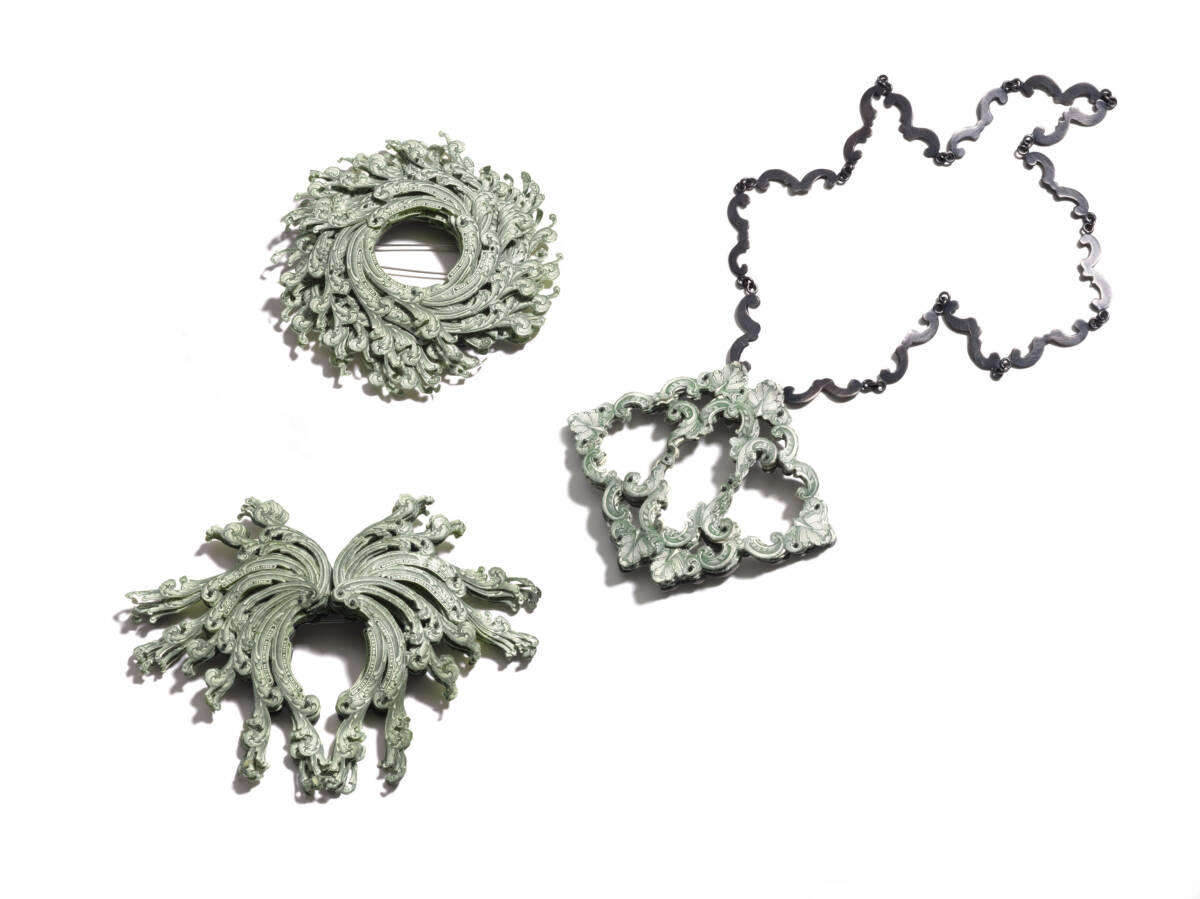
Lauren Tickle’s baroque-style brooches appealed to the jury because of the relationship between form, ornament and material. She uses an everyday material – dollar bills – playing with the idea of money. She chooses ornaments for the dollar bills, which she carves out by cutting them with a scalpel. The result is dynamic and magnificent forms that invite the viewer to explore the material.
Samantha Lewis, New Zealand
Typography
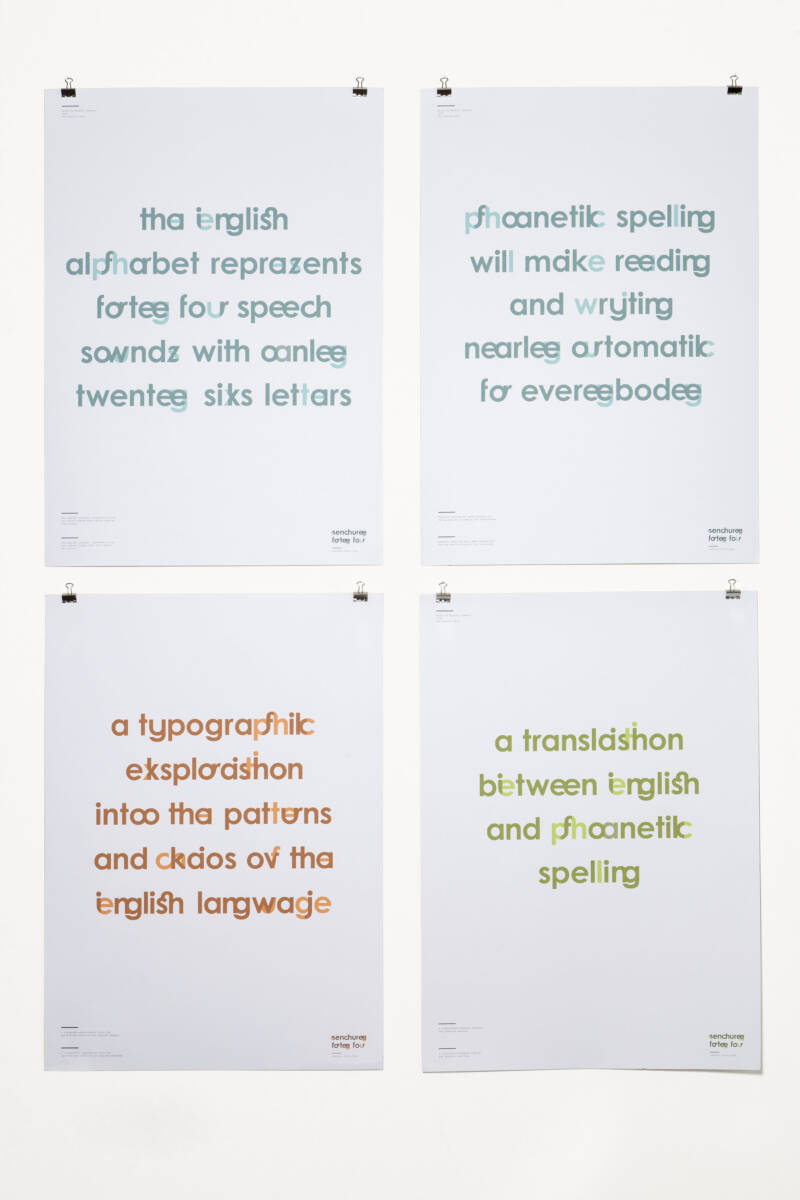
Samantha Lewis presents a new approach to language with her project “foanetiks”. By combining written and spoken language, she opens up a new form of communication and social design. At the same time, the project has educational potential and opens up new ways of getting to know one’s own language better and learning a foreign language.
Winner of the Bavarian State Prize 2014
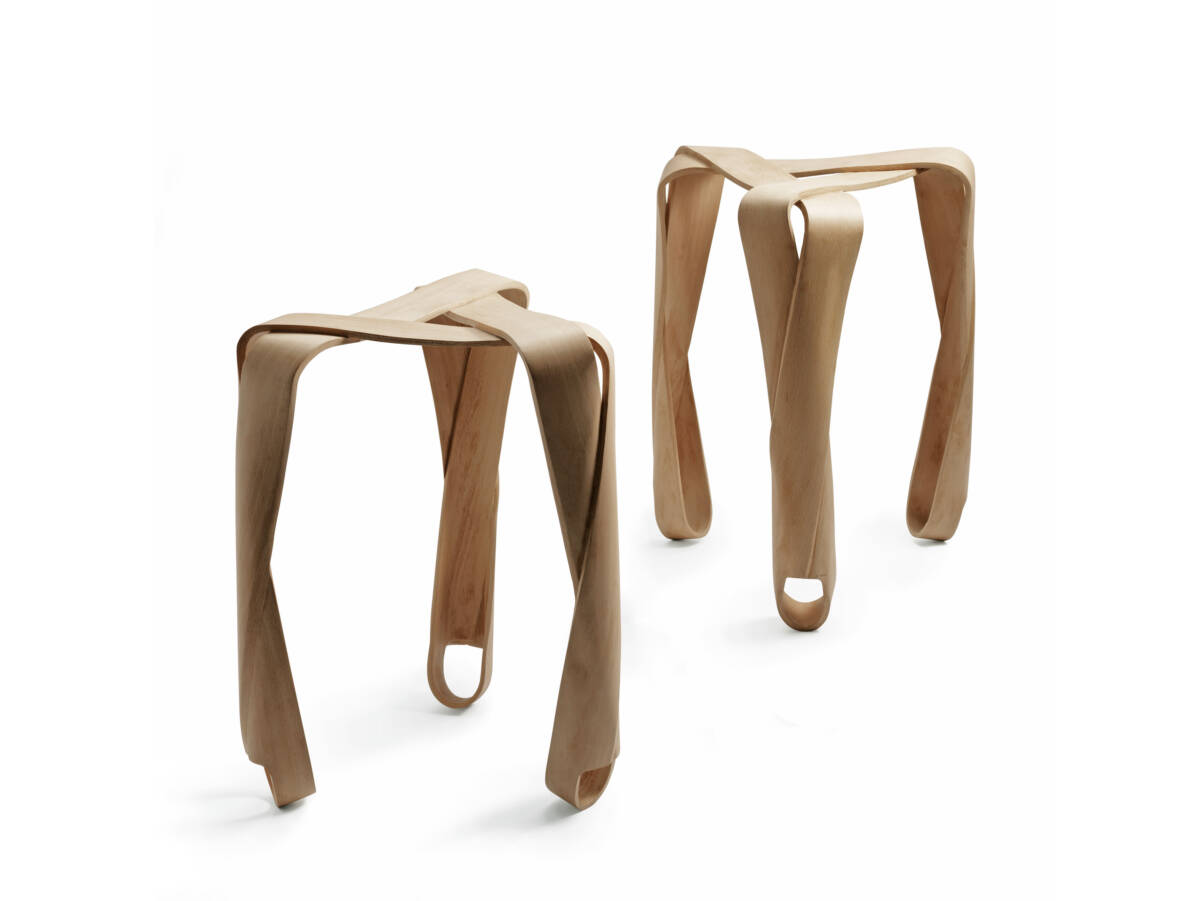
Jan Lutyk, Poland
Plywood stool “Ribbon Stool”
The Ribbon Stool by Jan Lutyk from Poland is made from strips of plywood. It is the result of experiments with plywood furniture by the young Polish designer. The special thing about this stool is that it is constructed from a basic module with one leg. The stool consists of three identical units that are joined together underneath the seat. This results in a light, elegant ribbon shape. The stackable stool is made from local beech wood, is inexpensive to produce and weighs just 1.5 kilos.