TALENTE – Meister der Zukunft 2012
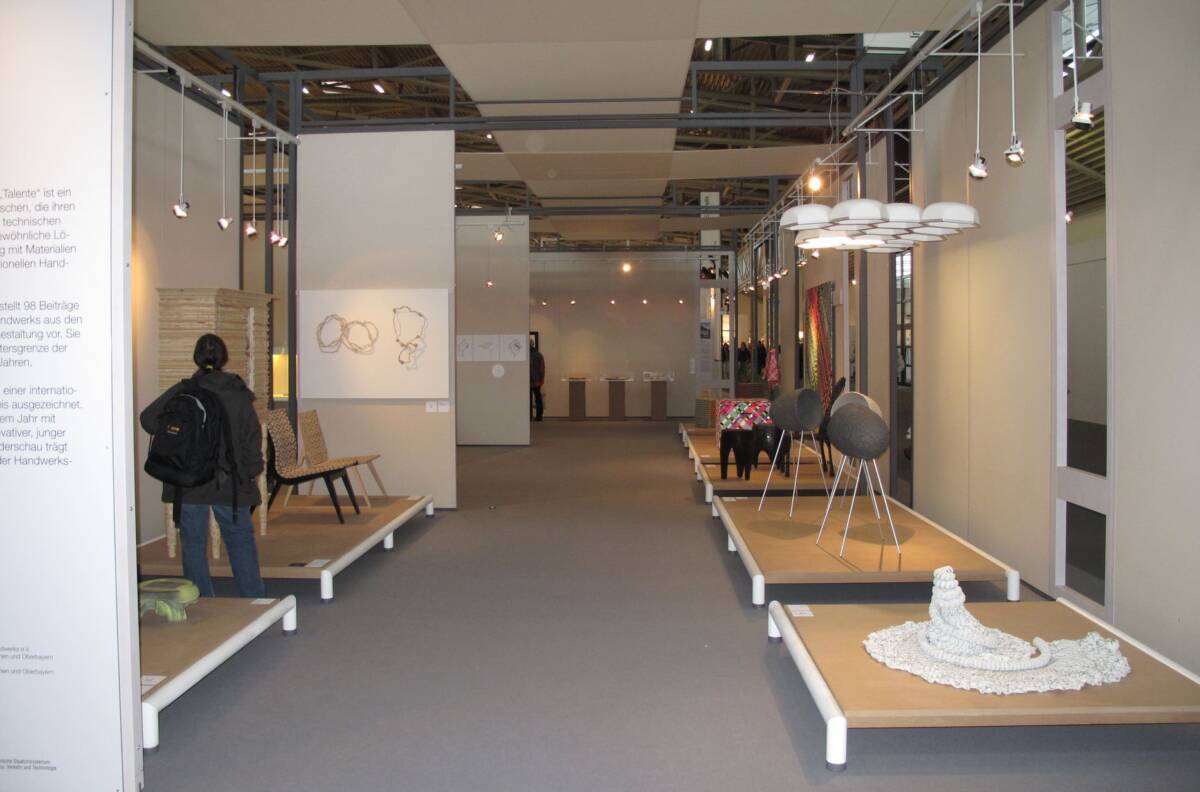
This year’s special exhibition “TALENTEmünchen – Meister der Zukunft” showcased the work of 98 young designers from 28 countries and 11 different crafts.
Over 600 applications from more than 30 countries were received for “TALENTEmünchen 2012”. Entries were selected from Australia, Austria, Belgium, Canada, China, the Czech Republic, Estonia, Finland, France, Germany, Hungary, India, Israel, Italy, Japan, Lithuania, the Netherlands, New Zealand, Poland, Russia, South Africa, South Korea, Spain, Sweden, Switzerland, Taiwan, the United Kingdom and Venezuela.
It is particularly pleasing that many unusual contributions on the subject of “glass” were received this year, complementing the special “EXEMPLA” show, which was dedicated to glass.
Current trends
Winners of the “TALENTE – Meister der Zukunft” prize 2012
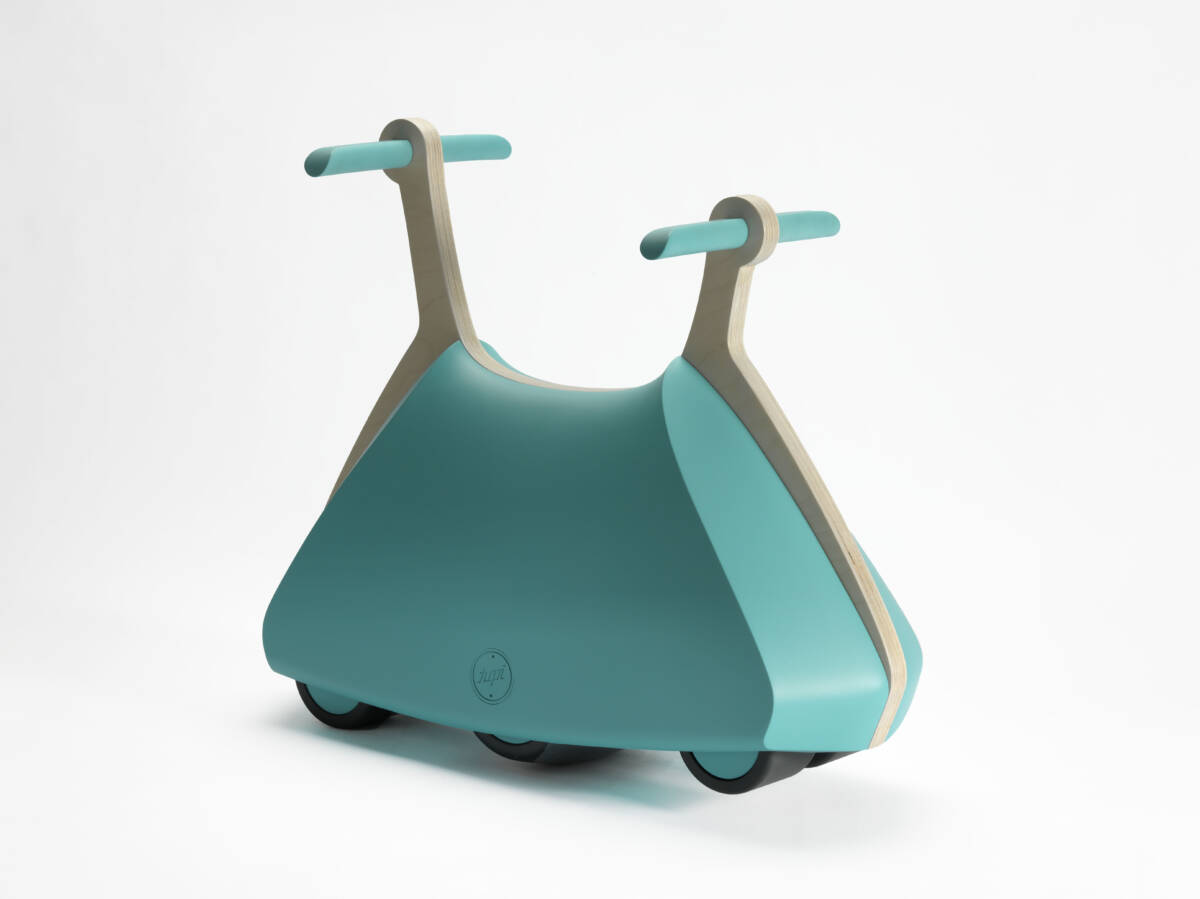
Gian Andri Bezzola, Switzerland
Gian Andri Bezzola’s “Tupi” slide vehicle impressed the jury with its harmonious design and the ingenious mechanism of the wheels, which allows both a turning and a driving state. The versatile maneuverability and simple steering of the sliding vehicle make it particularly suitable for small children and the development of motor skills. The idea as well as the implementation and execution were rated as extremely successful.
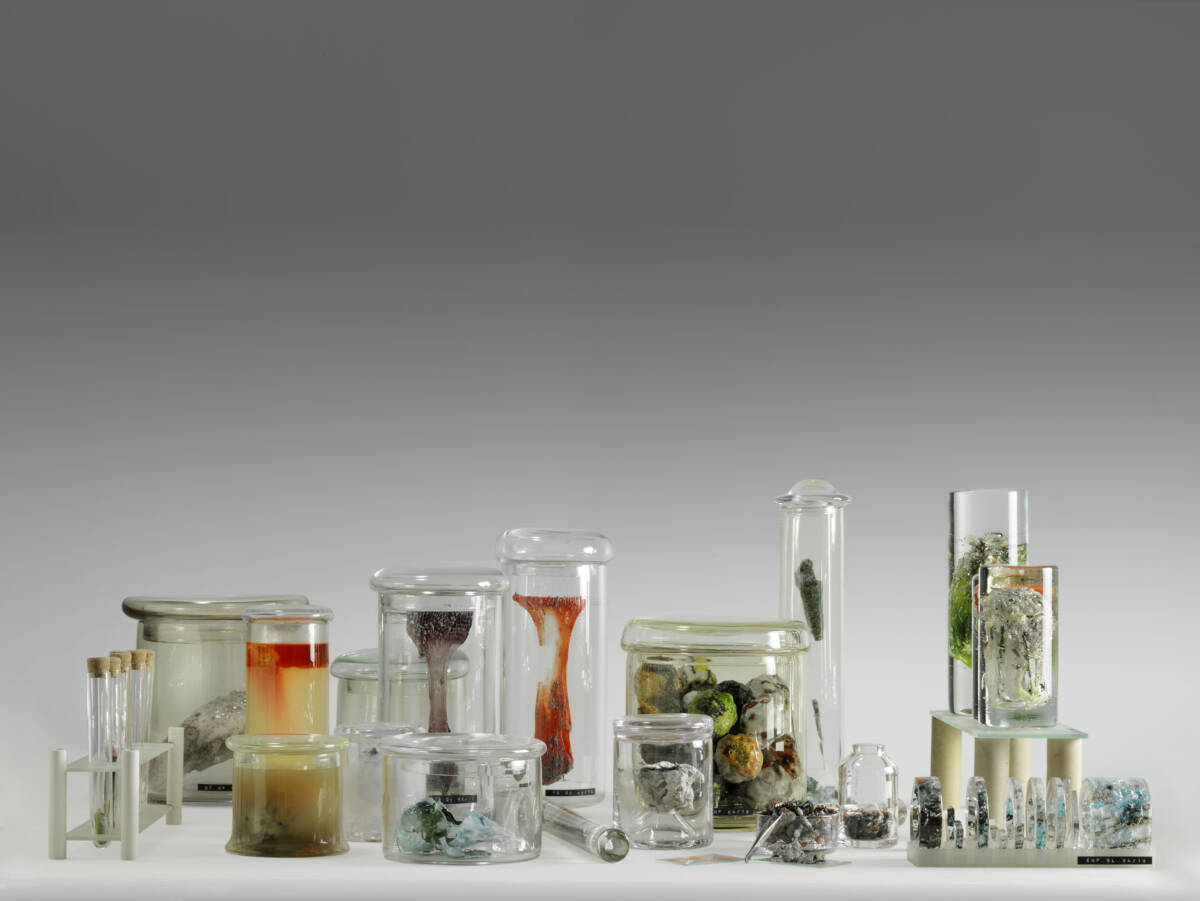
Damien Francois, France
Damien Francois’ works show an interesting, experimental approach to glass. The works are characterized by the quality of the craftsmanship and the idea of a scientific laboratory expressed in the material glass. The design of the material lends the individual objects in the groups an unusual intensity and liveliness, while the small-scale nature invites detailed exploration. The effect oscillates between the natural sciences and a mysterious alchemist’s laboratory.
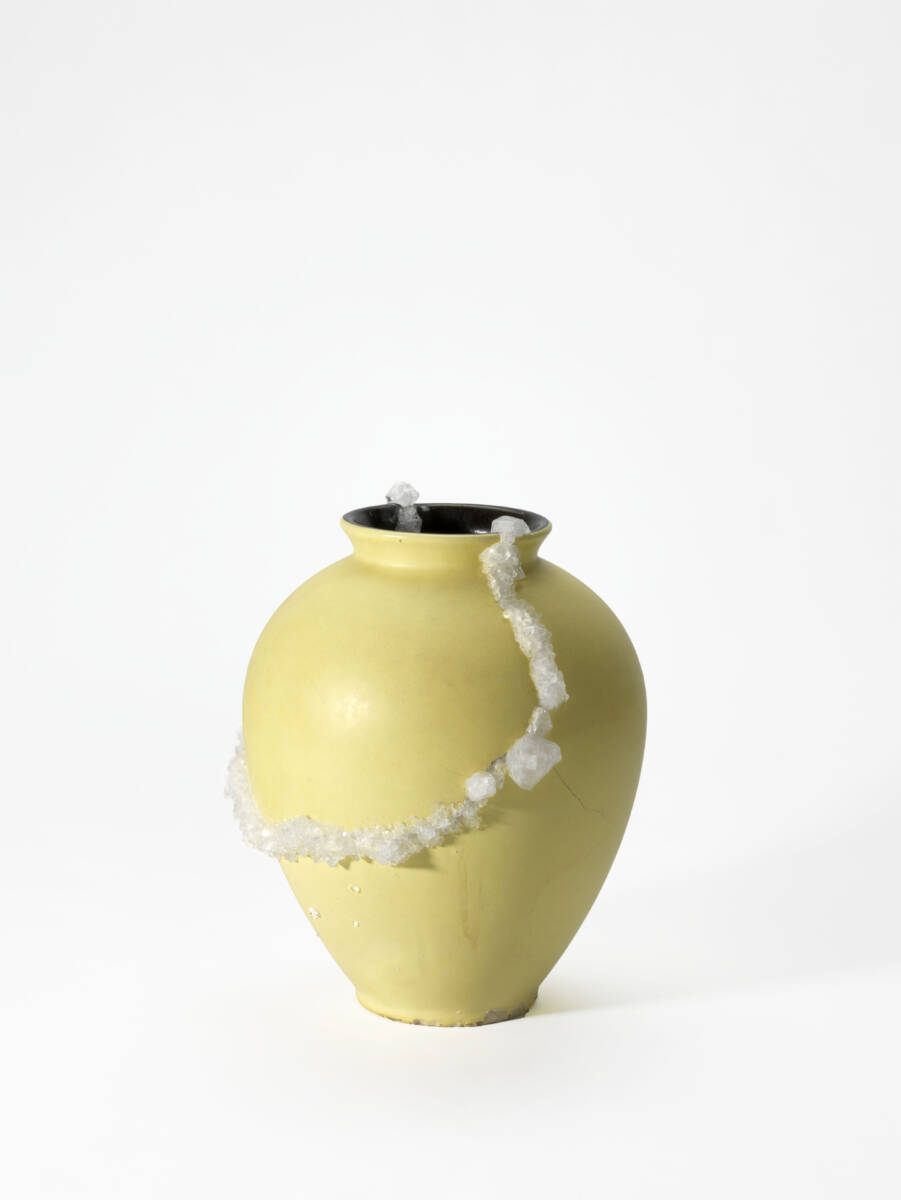
Lukas Wegwerth, Germany
Lukas Wegwerth’s vase not only presents an unusual method of repair, but also gives the objects a new aesthetic effect and addresses the issue of fragility. The old and the new, the design approaches of different times are combined through the method, and the current approaches of sustainability and upcycling are implemented. Crystals as symbols of eternity seem particularly suitable for prolonging the life of things.

Ryo Azuma, Japan
Ryo Azuma’s tea bowls are fascinating in their delicacy, fragility and the patience underlying their processing. There is a reference to the art and culture of the past in his works, a reference to tradition. His tea bowls are not utilitarian objects, as the walls are perforated, but rather allude to the Japanese tea ceremony and the significance of the bowls as objects of contemplation and aesthetics.
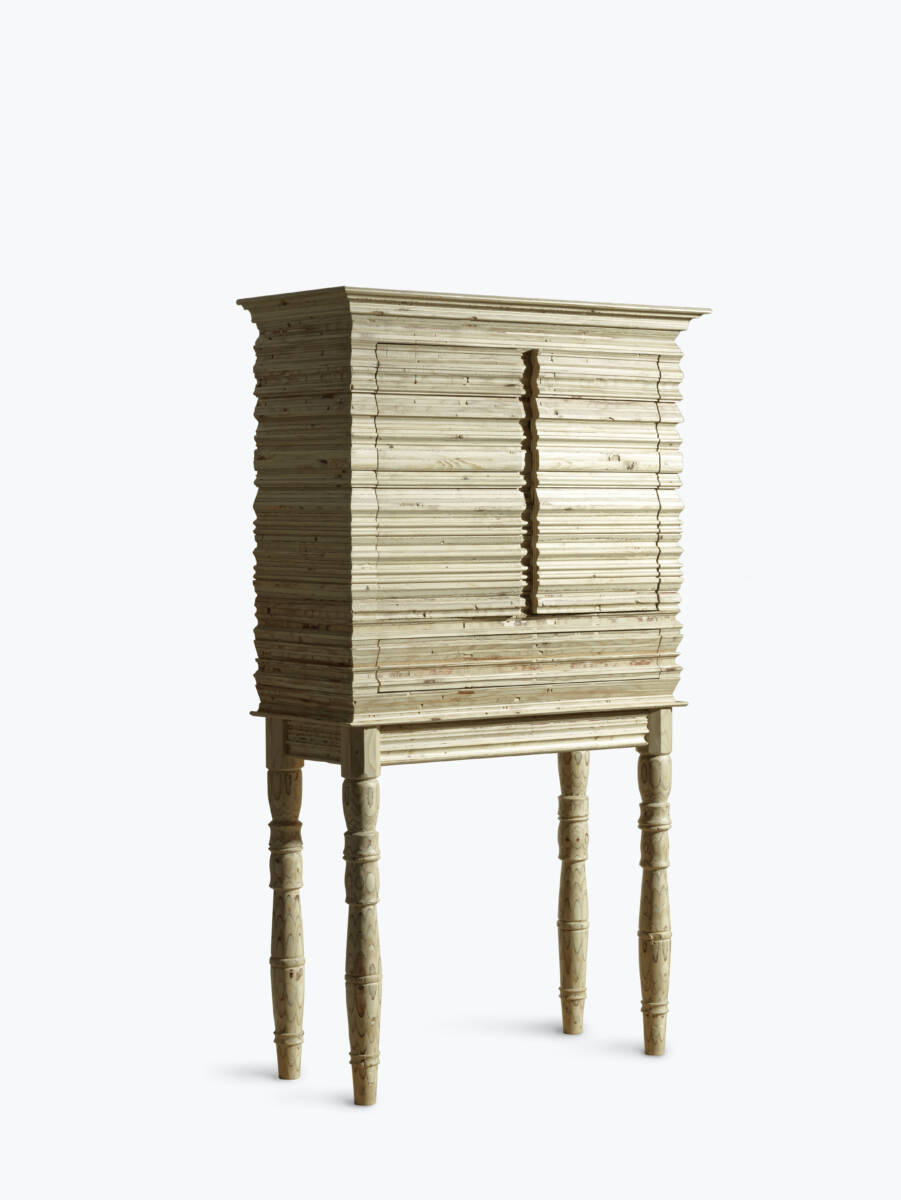
Nienke Janssen, Netherlands
Nienke Janssen’s cabinet is based on a long tradition of Dutch furniture. In contrast to this historical furniture, she chooses unworthy material, which she processes in such a way as to create attractive surface patterns that, like the type of furniture, distract from its worthlessness. Her work stands in the context of reflections on the reuse of materials, shows an interest in material qualities and documents the designer’s view of the present with reference to the formal language of the past.
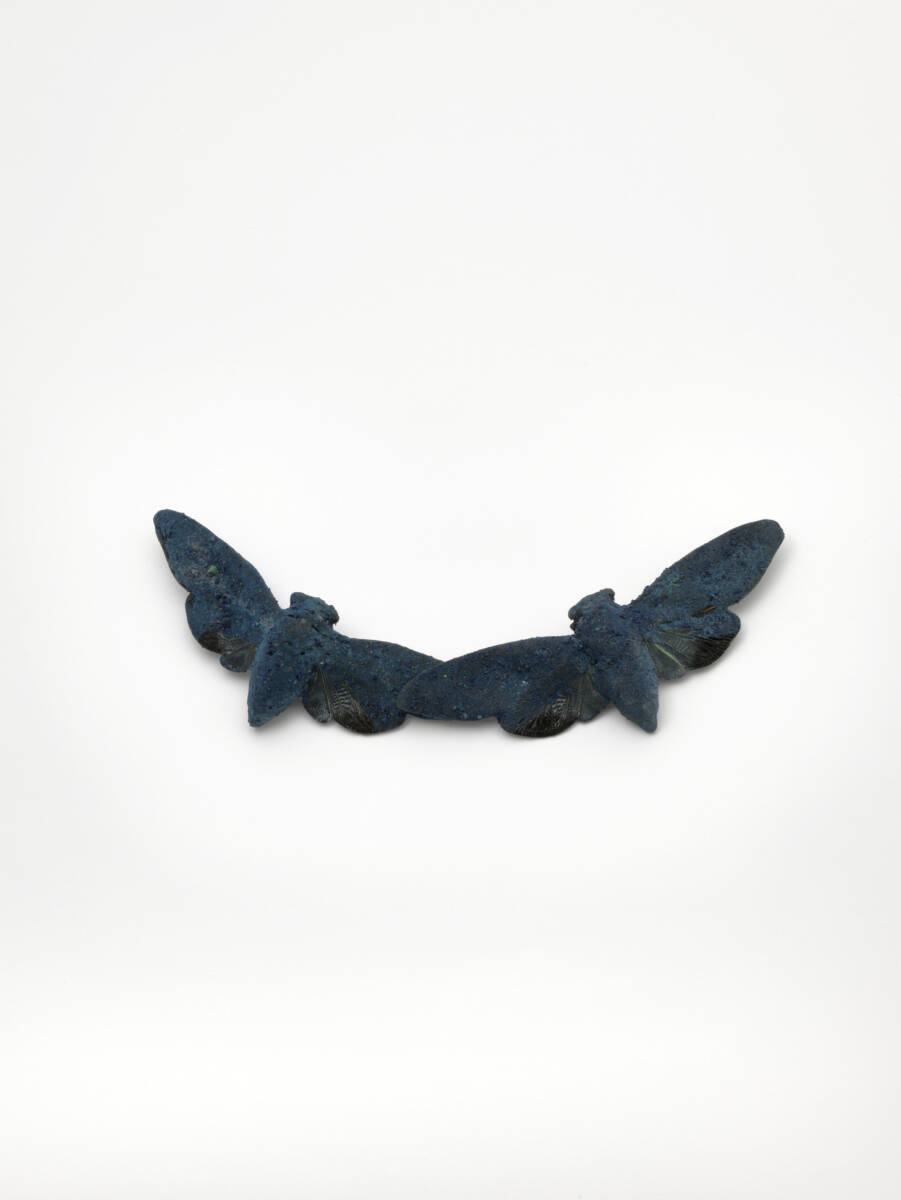
Märta Mattsson, Sweden
Märta Mattsson’s brooches from the “Fossils” series are characterised by the varied use of different materials, which are combined in an interesting and harmonious way. The different processes as well as the motifs refer to the history of jewellery, such as Art Nouveau works. The “Fossils” are a realization of the natural model, its alienation. They show a position of contemporary jewellery that combines object character and wearability.
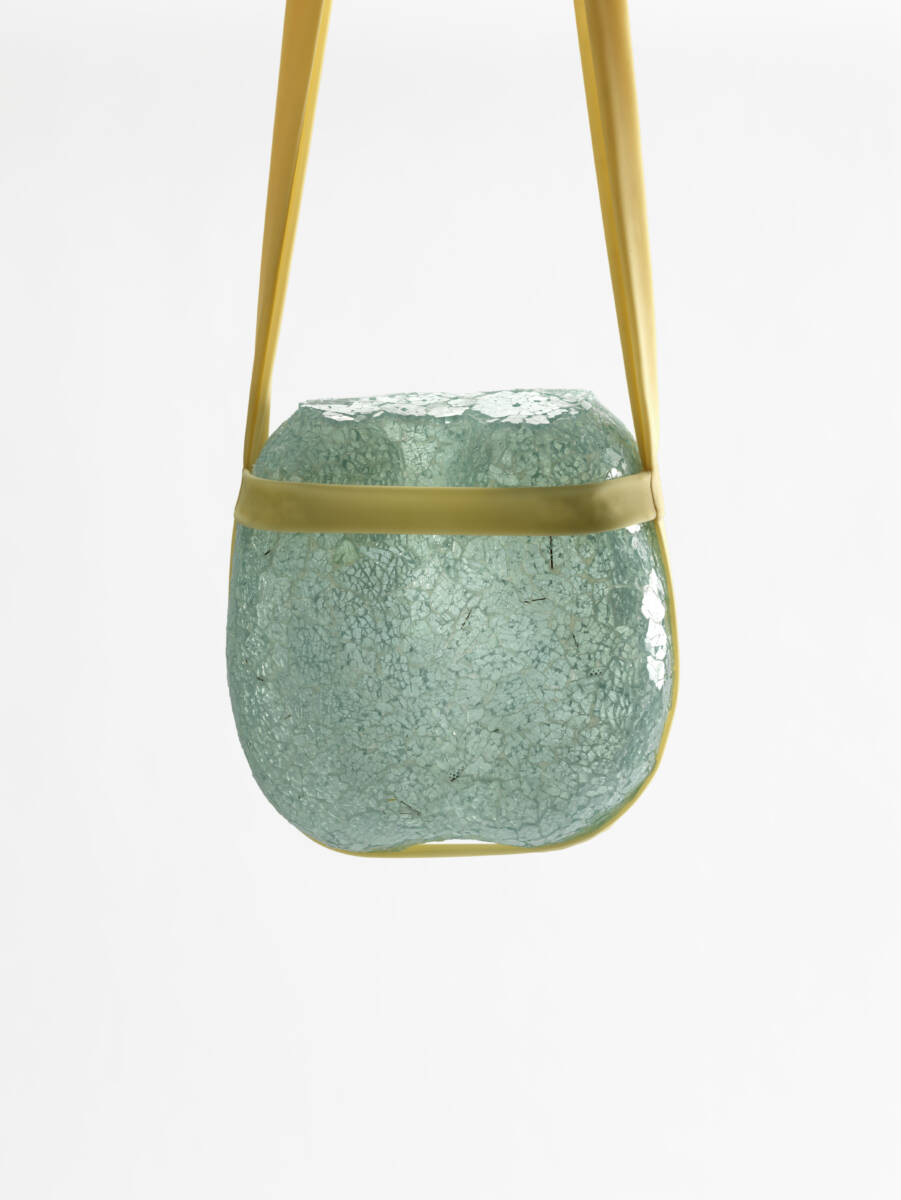
Marina Elenskaya, Russia
Marina Elenskaya’s works are characterised by the unexpected. The automotive safety glass suggests great weight and solid surfaces, yet the necklace is relatively light and flexible thanks to the silicone. The charmingly shimmering surfaces of the pendants are irritating and thus invite confrontation and communication. At the same time, the size of the pendants, the way they are hung and attached create parallels to things that are worn every day, such as bags, and thus give the jewellery a new level.
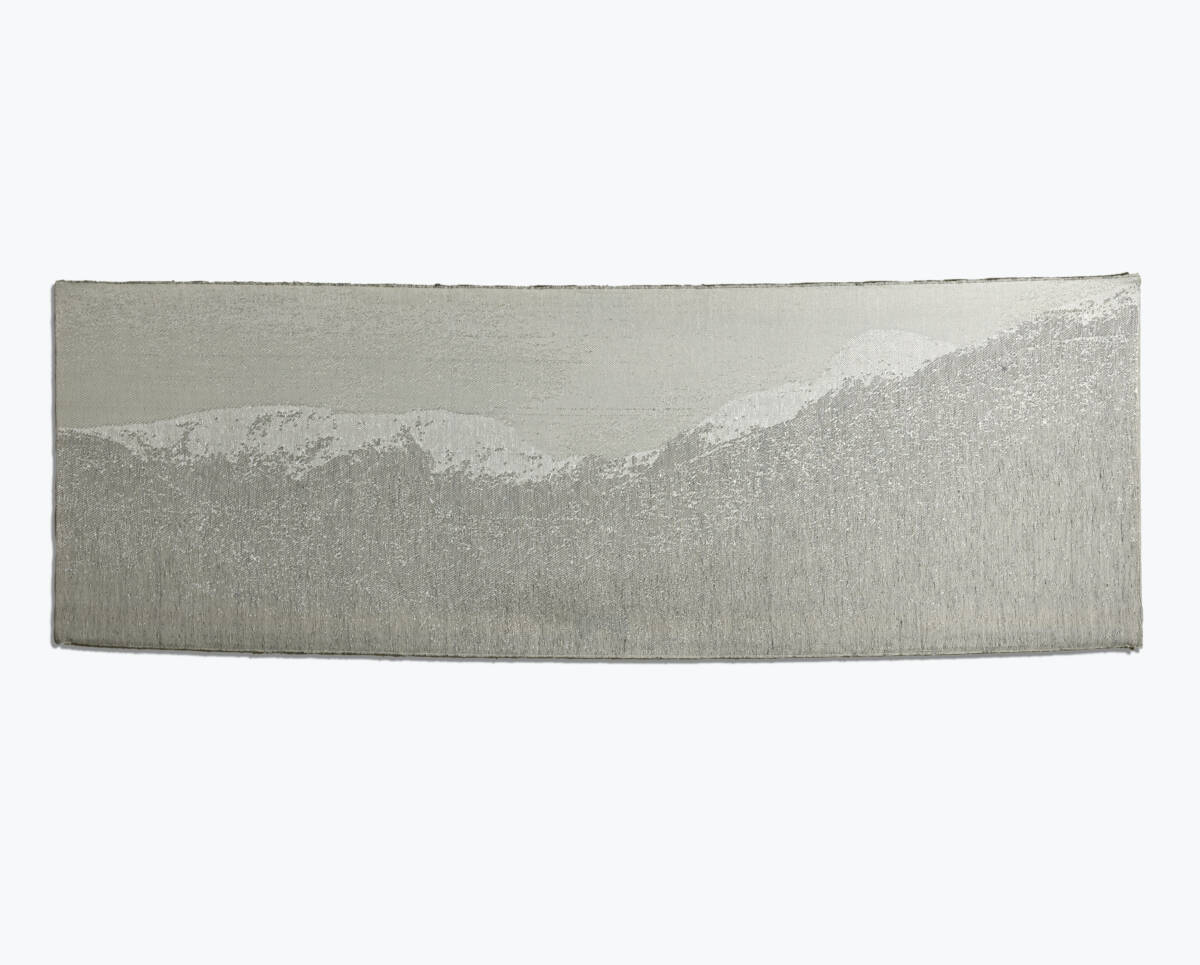
Karina Siegmund, Norway
“The Mountain” combines two different media – the traditional one of tapestry and the modern one of film – as the changing times of day are projected onto the tapestry depicting the mountain. However, the textile work is also convincing without the film due to the material effect and the effect of the light on the surface. The novel and unusual aspect is also evident in the materials used. They suggest the snow lying on the mountains.
Winners of the Bavarian State Prize 2012
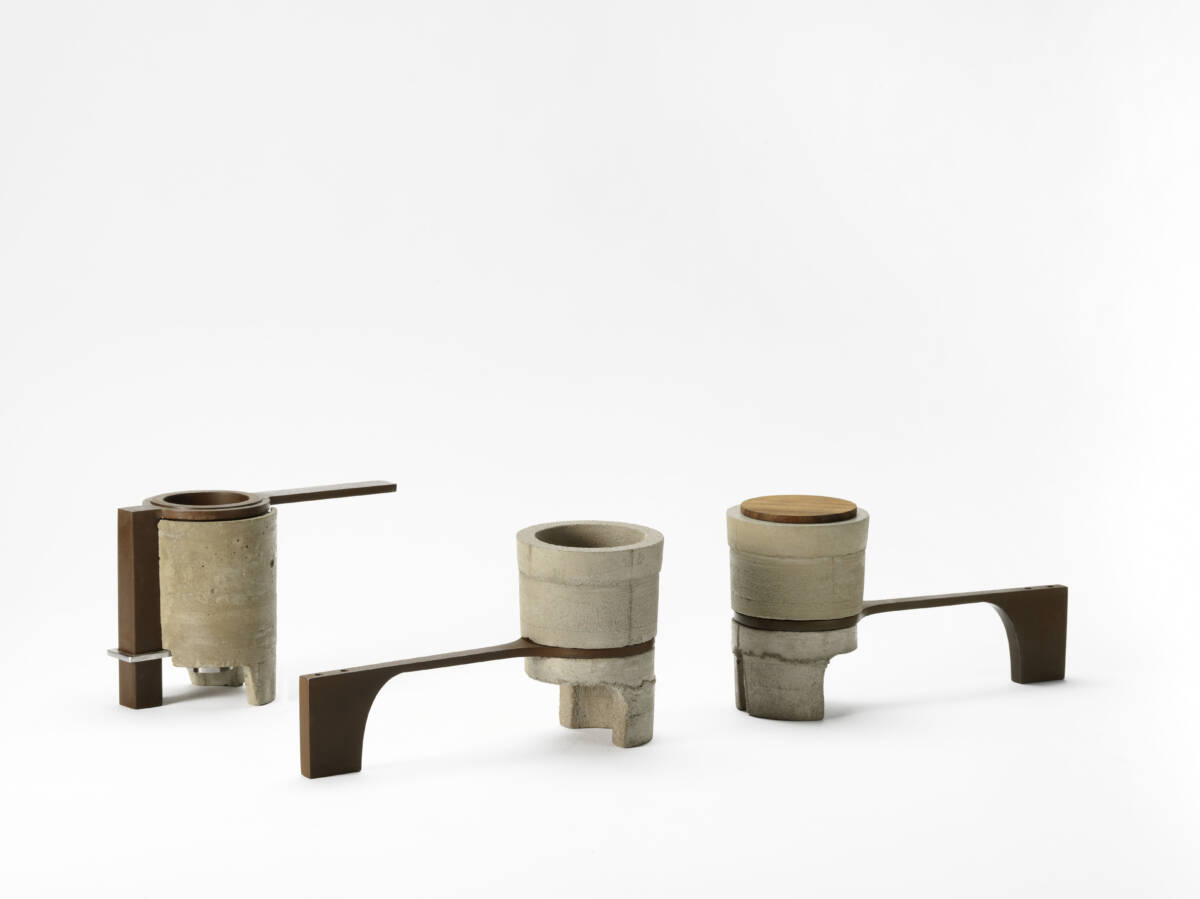
Joohyun Ahn, South Korea
Concrete, wood and metal incense burners
Joohyun Ahn completed his studies in metal design at Hanyang University in Seoul/South Korea in 2011. He received the Bavarian State Prize for Design for incense burners made of concrete, metal and wood. His unusual vessels combine a metal smoking bowl with a concrete casing and iron giraffes. The formal independence of the design, the finely coordinated colourfulness and the effect of the material combinations are impressively resolved.
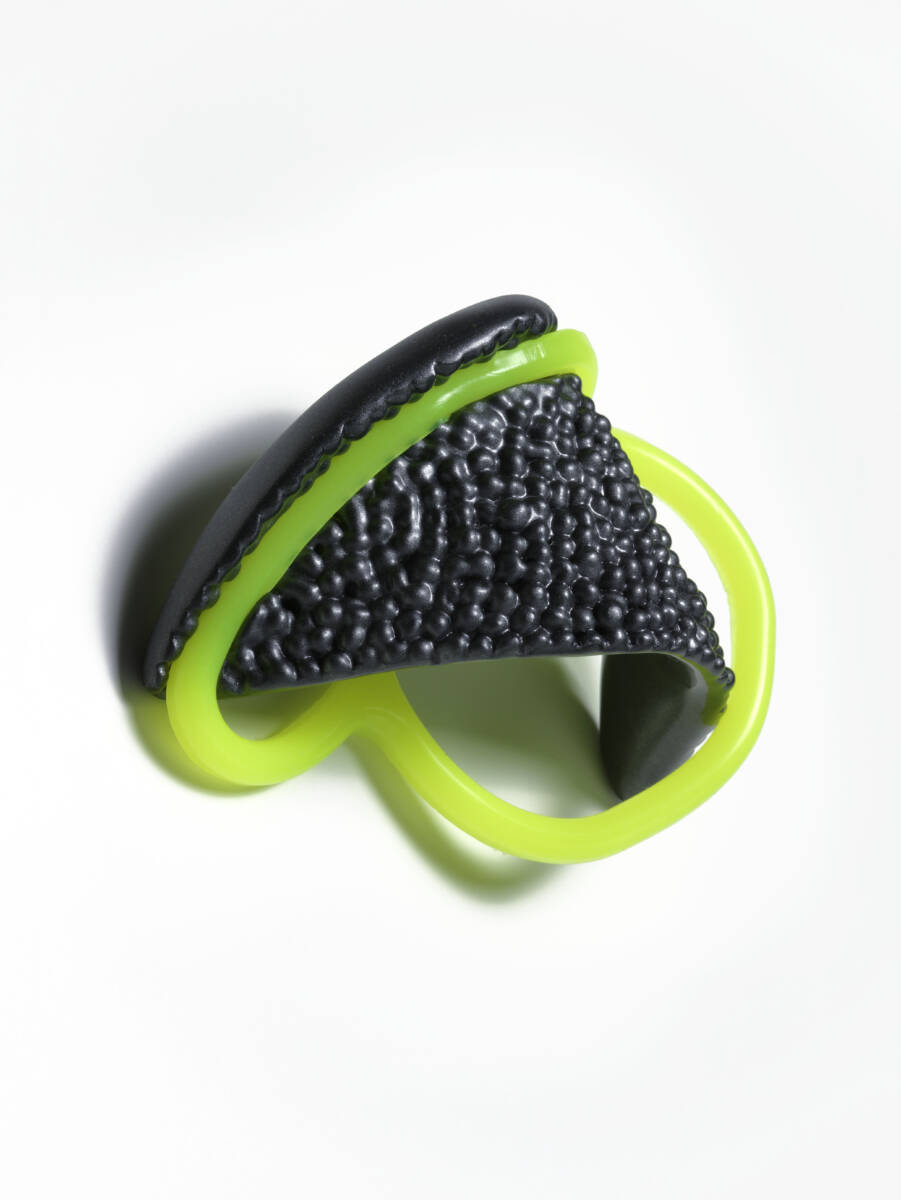
Sharon Golan, Israel
Combined shoe elements “Myshell”
Sharon Golan from Israel studied fashion and jewellery design at the Bezalel Academy in Jerusalem. She has developed an innovative modular shoe system that you can design and vary yourself. The shoe consists of four individual parts that are held together by two elastic bands. Four basic types are available. The shoes can be put together on the computer from the individual components. This results in a total of 256 different wearing styles. A dream for all shoe lovers.
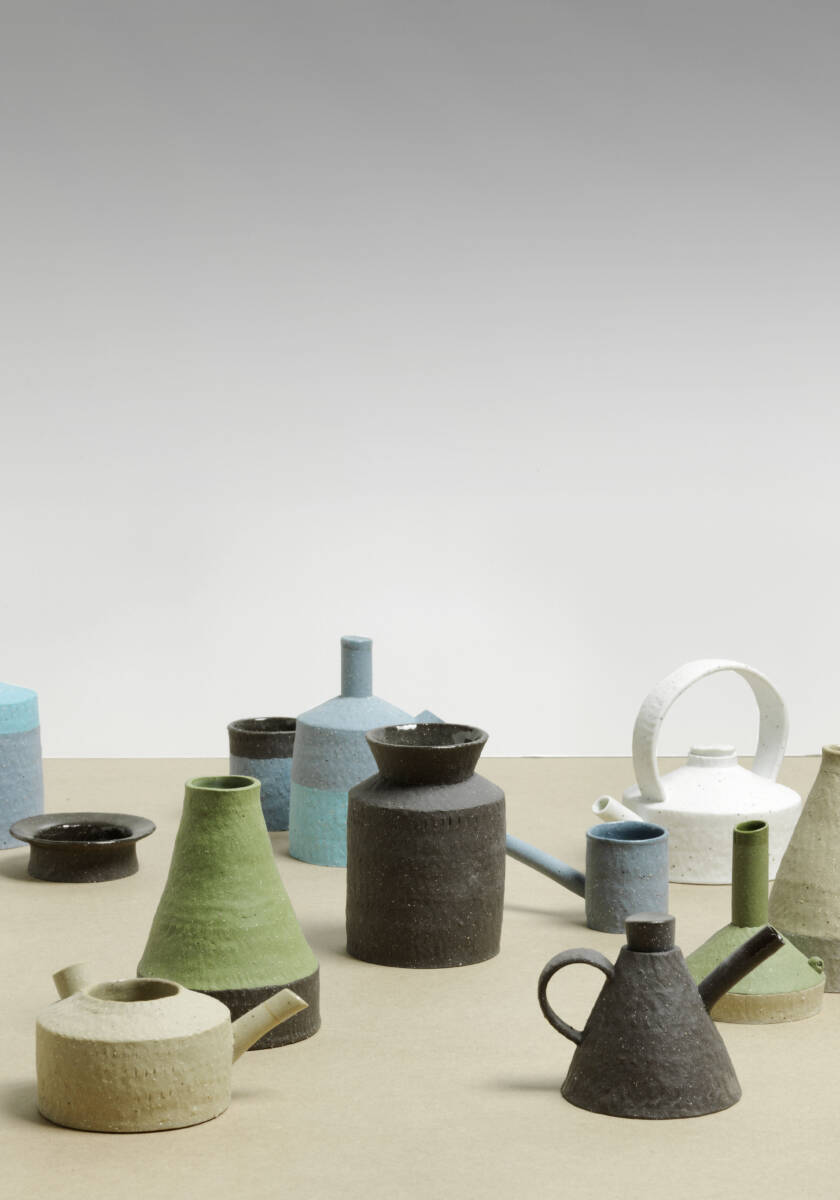
Kiho Kang, South Korea
Ceramic installation “landscape”
Kiho Kang comes from South Korea. He is currently studying at the Institute for Artistic Design in Höhr-Grenzhausen. He received the Bavarian State Prize for his installation of ceramic vessels entitled “landscape”. This is a compilation of vessels from the Korean tea ceremony, which symbolically refer to their function in a reduced form. In their creative conciseness, clear forms and deliberate colourfulness, they form a group that is rich in relationships and exciting.