
Visitor information
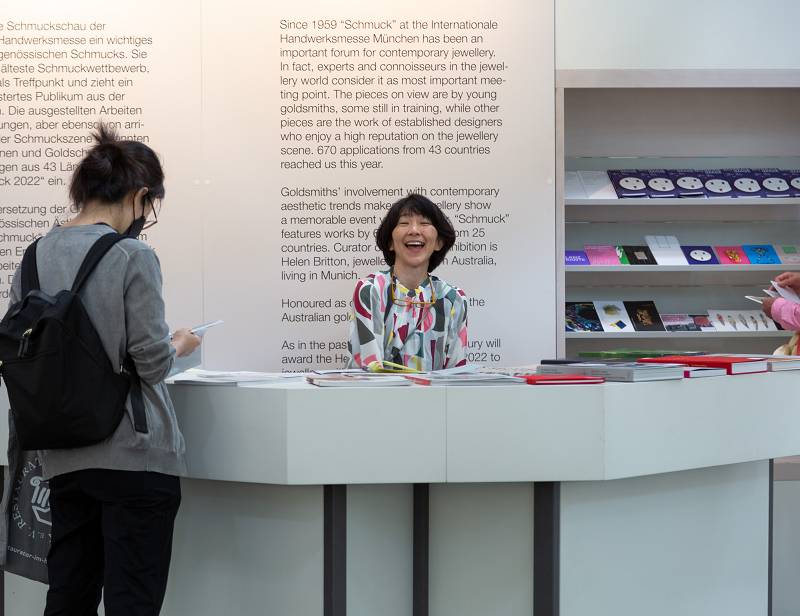
Visit the special show during the Internationale Handwerksmesse in Hall B1.
Show on Google Maps
Opening hours
Wednesday, March 4 to Sunday, March 8, 2026
09:30 – 18:00
Arrival by Underground
Underground line 2, “Messestadt West” station
You can find more information on how to get here on the Internationale Handwerksmesse website. You can also buy your tickets online there.
Catalogue
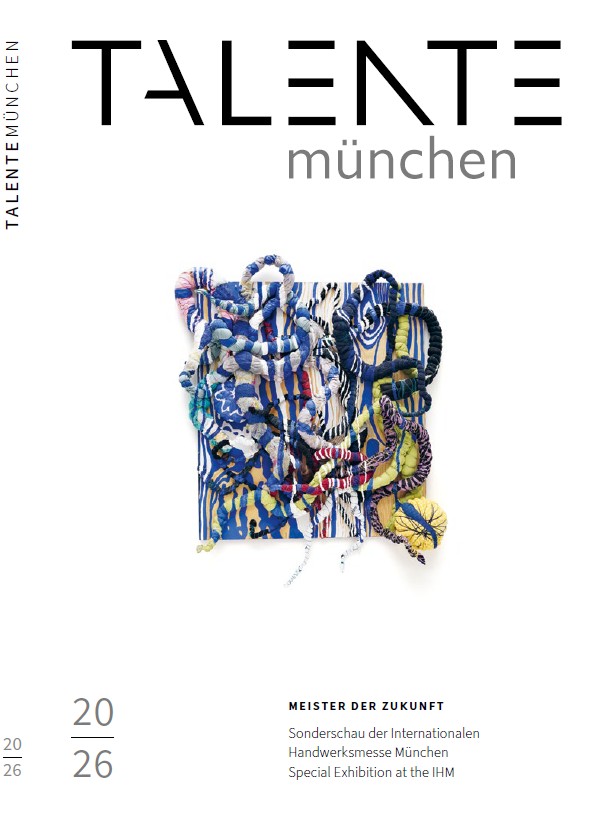
Every TALENTEmünchen exhibition since 1980 has been documented in a catalogue.
The 2026 catalogues will be available to you at the start of the trade fair.
You can purchase it at the Internationale Handwerksmesse in Hall B1 and in the Galerie Handwerk or order it online.
Selection and prize jury 2026
The selection for the TALENTEmünchen exhibition is made by Barbara Schmidt and Dr. Michaela Braesel in the Trade Fairs and Exhibitions department of the Chamber of Crafts. This year, 86 entries from 26 countries were selected from a total of over 700 applications and more than 40 countries.
Each year, seven jurors are invited to select the TALENTEmünchen prizes at the exhibition. The group is made up of mentors, most of whom have supported TALENTEmünchen for many years in the placement of applications. They are usually teachers at international academies and schools as well as representatives of public institutions such as museums.
The prizes will be awarded on Saturday, March 7, 2026, at the trade fair and include a certificate and a listing in the following year’s catalogues.
Winners of the “TALENTE – Meister der Zukunft” prize 2025

Julia Gäse, Germany
Julia Gäse’s work was convincing in its concept of sustainability. She rejects the fast, fashion-driven cycle of obsolescence and instead reflects on the possibilities of reuse. The well-thought-out concept includes the use of natural dyes to minimise environmental impact. The project aims to encourage behavioural change and raise awareness of the need for a sustainable approach to resources.
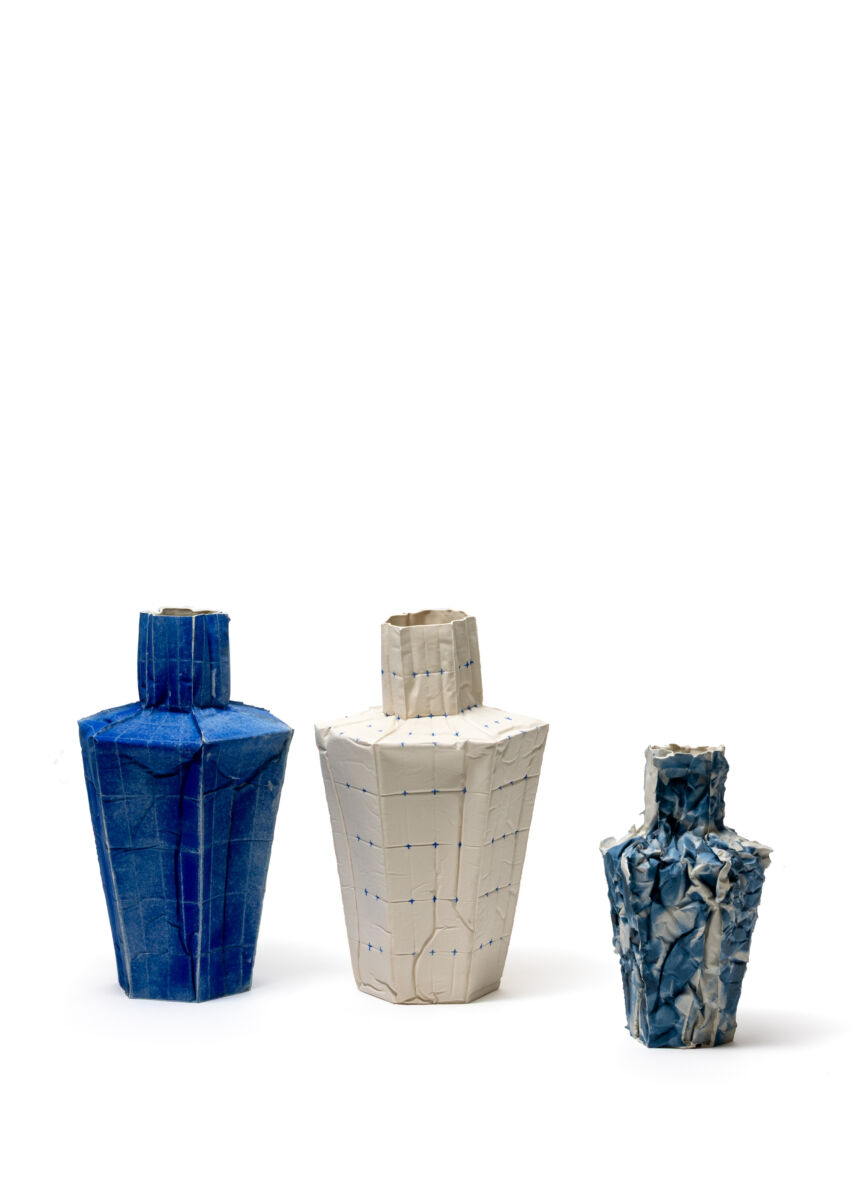
Raz Harari and Shir Israel, Israel
Raz Harari and Shir Israel from Studio Zing use paper casting in a novel, interesting, and experimental way, replacing the usual plaster with paper moulds. This results in unique pieces with unusually appealing surfaces. The unpredictable or non-calculable outcomes could not be achieved with plaster moulds and offer potential for further exploration of form.

Levani Jishkariani, Georgia/ Germany
Levani Jishkariani’s works are characterized by an archaic quality and a sculptural approach, as well as by an intriguing combination of materials. The clarity and expressive power of the works are achieved through a deliberate engagement with the material itself.
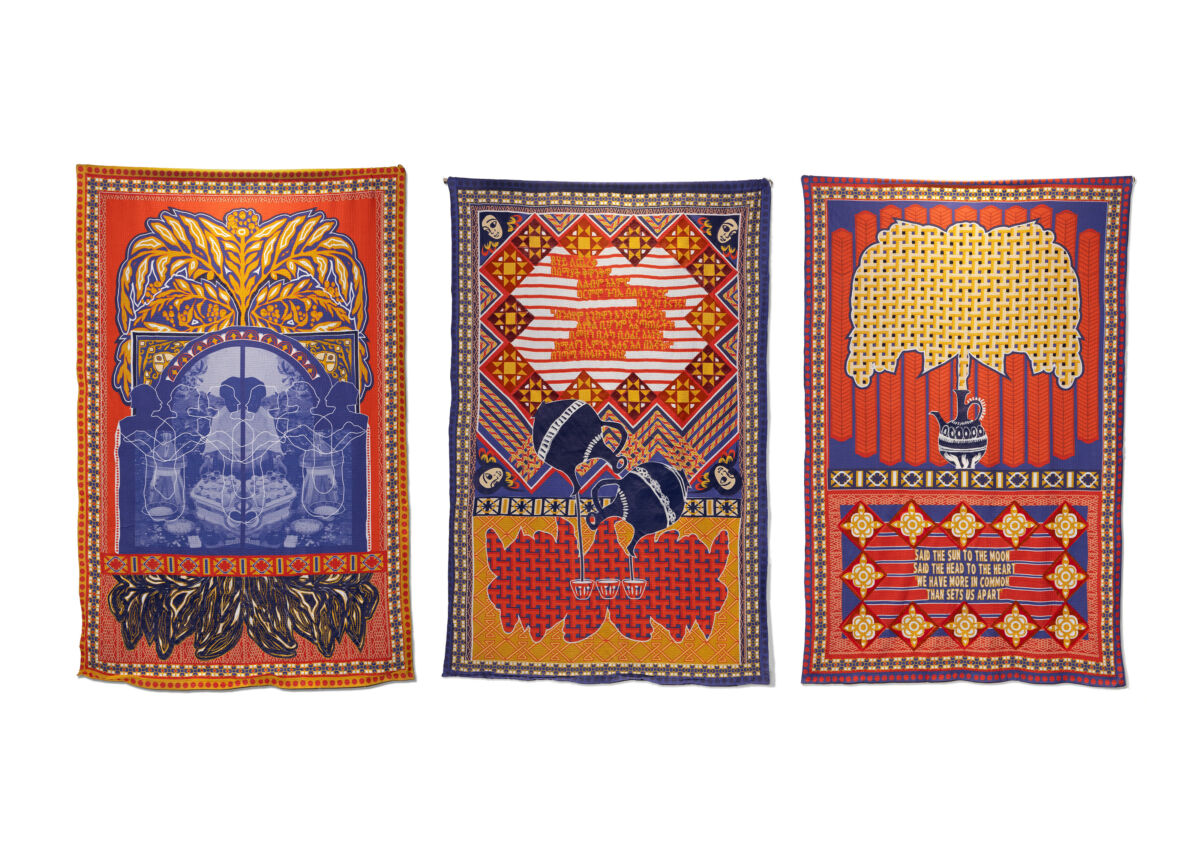
Muna Jonkman, Netherlands
Muna Jonkman combines traditional patterns and a personal symbolism rooted in her cultural heritage in the wall hangings “I am Because You Once Were.” She is concerned with connections—those between different cultures and times—between past and present. At the same time, she engages with rituals, particularly those of women, and with storytelling.
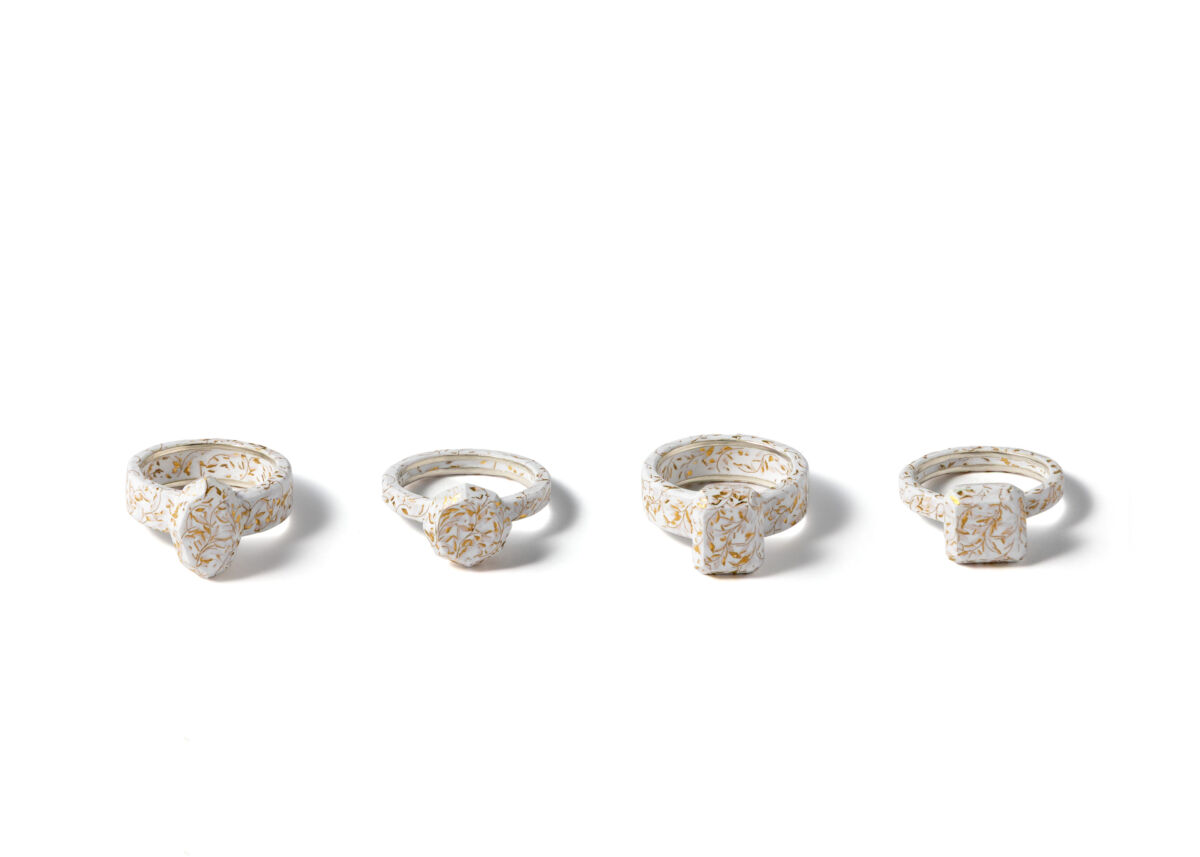
Mari Kobayashi, Japan
In her “enfold ring” series, Mari Kobayashi engages with a very old and highly complex enamel technique, which she executes with virtuosity. For the forms, she uses familiar, classical types that are decorated in enamel with delicate tendril ornaments. Kobayashi plays with the notion of value, which in her work is not conveyed through the stones traditionally associated with such forms, but rather through the technical complexity of their making.
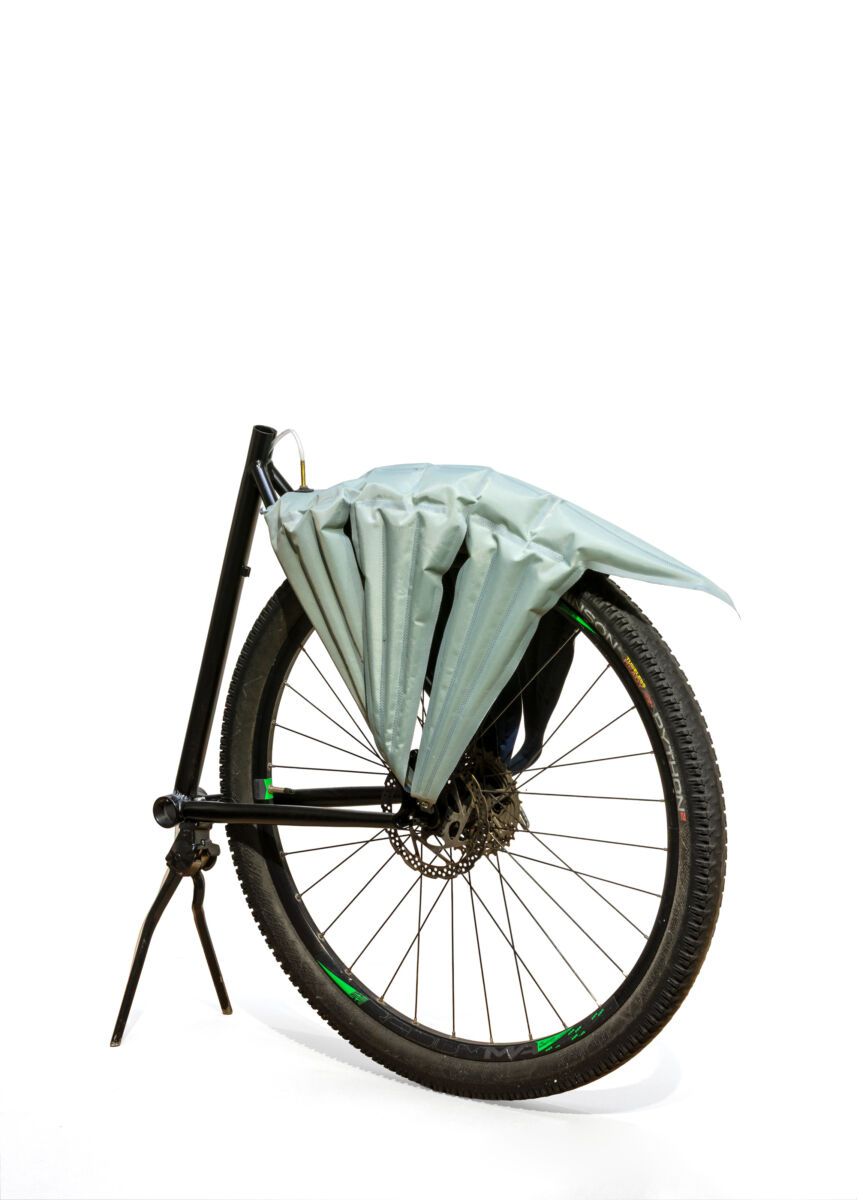
Leika Su Kutzke, Germany
The inflatable tire protection impressed the jury as both an invention and a principle. It serves as an exemplary representation of inflatable object technology and can be transferred to many applications. The approach is suitable for everyday life with its constant changes.
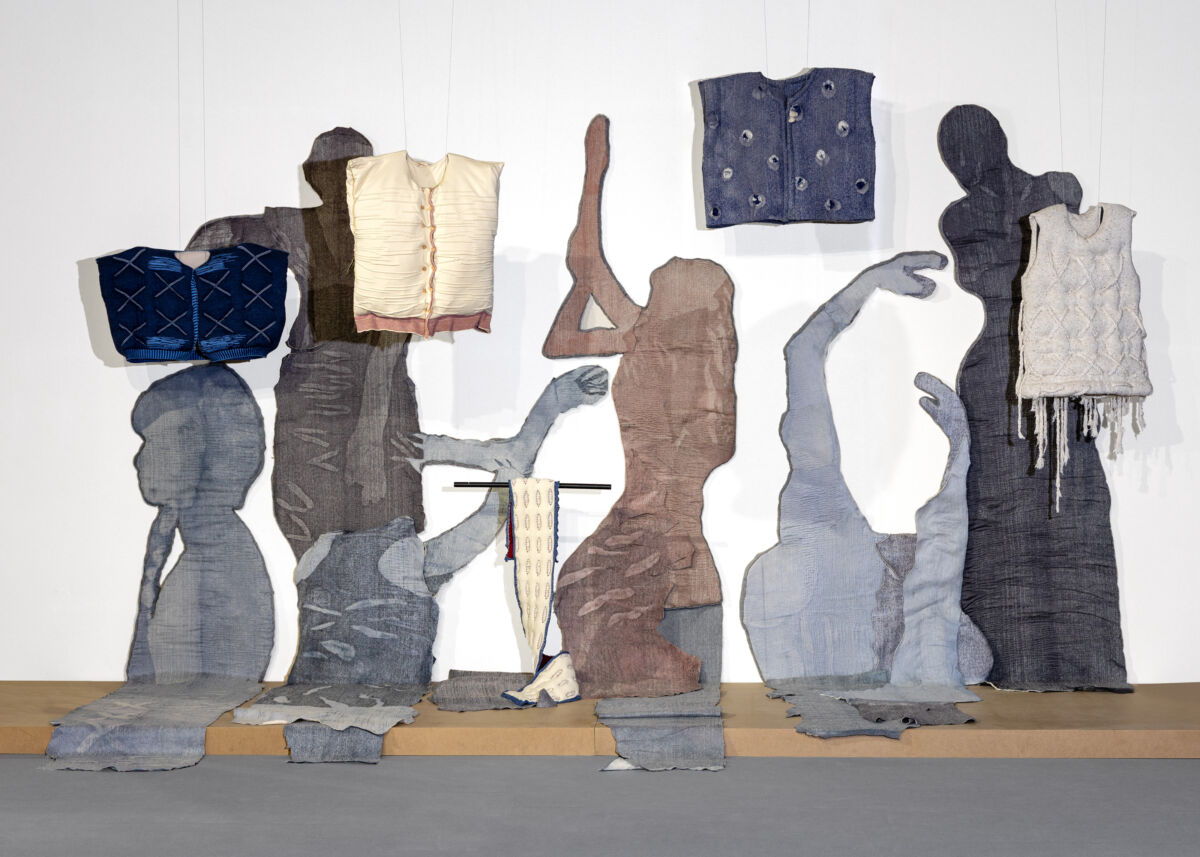
Katerina Lagoda, Ukraine / Israel
Katerina Lagoda’s work “Dumka – Between Reality and Dream” impressed with its politically engaging concept as well as its authentic and memorable execution. The presence of the work is conveyed through its convincing staging, achieved by combining installation and fashion design. The idea of protection, with its emphasis on warmth and enveloping, addresses aspects of empathy and togetherness.
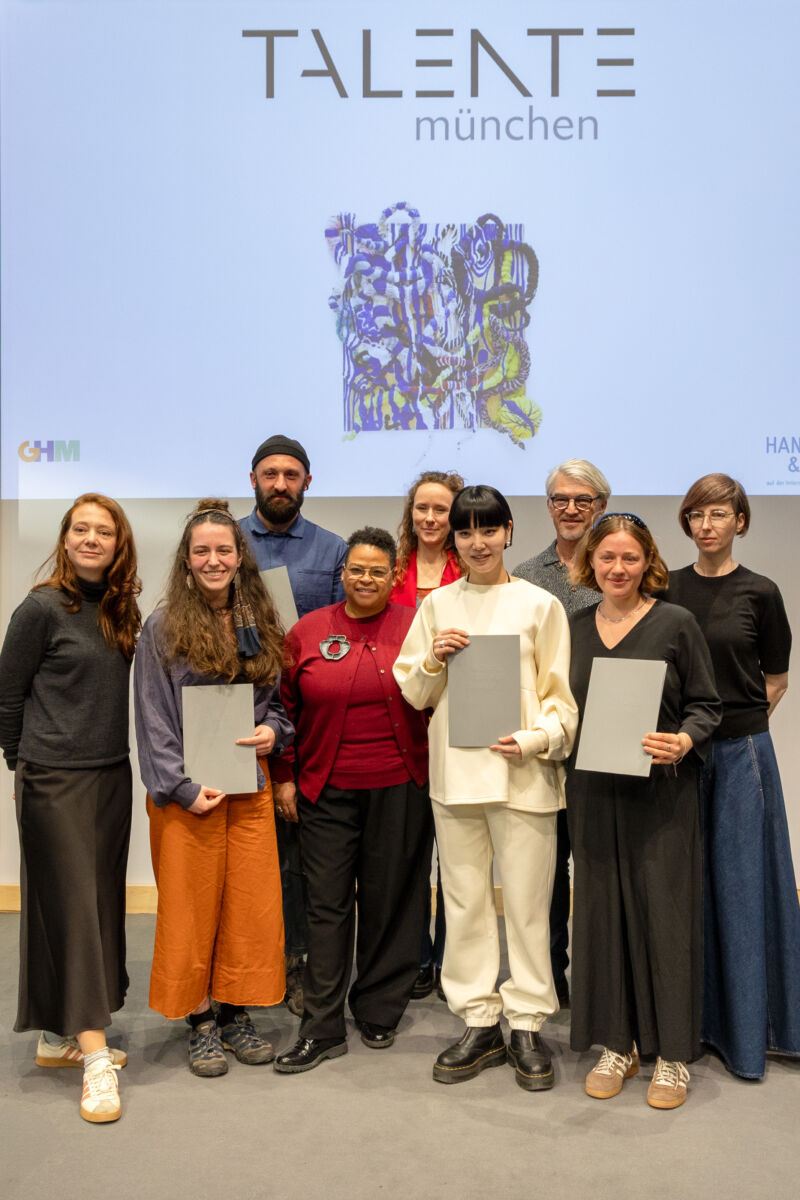
Award ceremony “TALENTE – Meister der Zukunft” 2026
From six countries, with seven perspectives: the award-winning emerging artists present a wide range of creative and craft-based works, spanning paper casting, enamel techniques, and textiles through to material research.
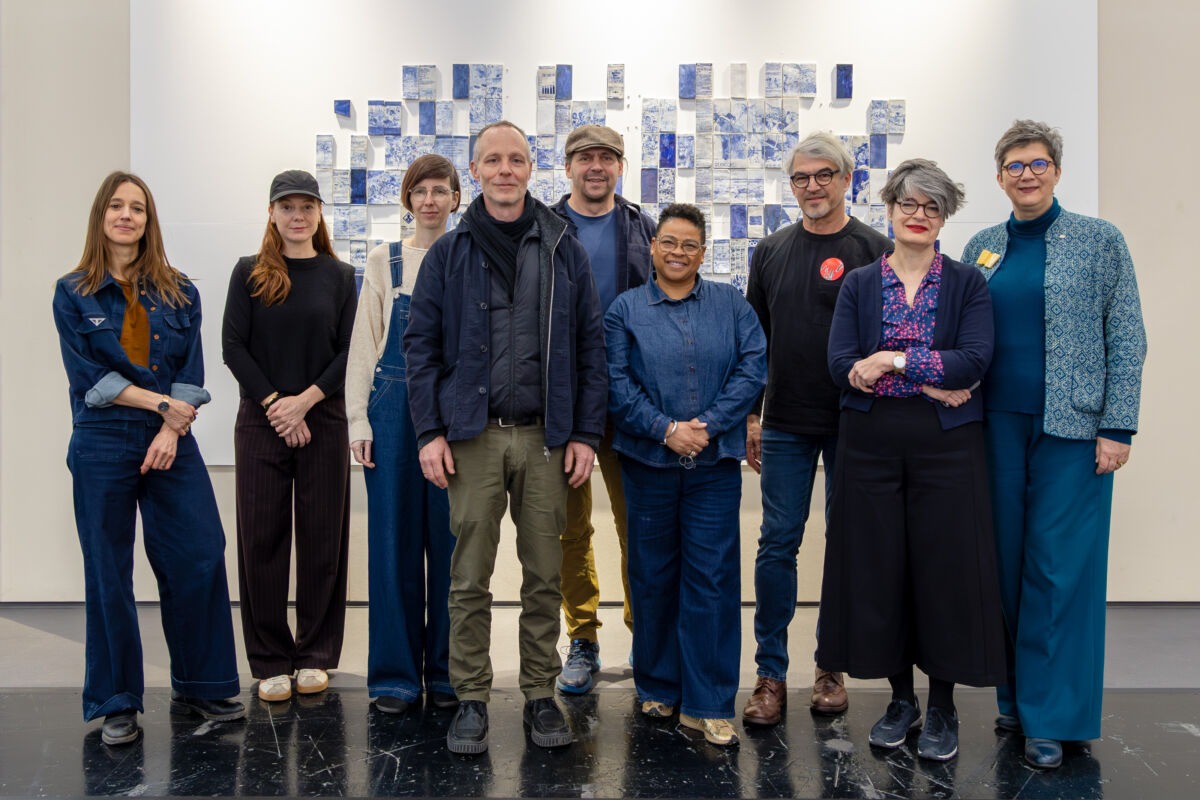
In the photo: Four of the prize winners of the “TALENTE – Meister der Zukunft” competition 2026 with members of the jury.
The winners from left to right: Julia Gäse, Levani Jishkariani, Mari Kobayashi, Leika Su Kutzke
Winners of the Bavarian State Prize 2026
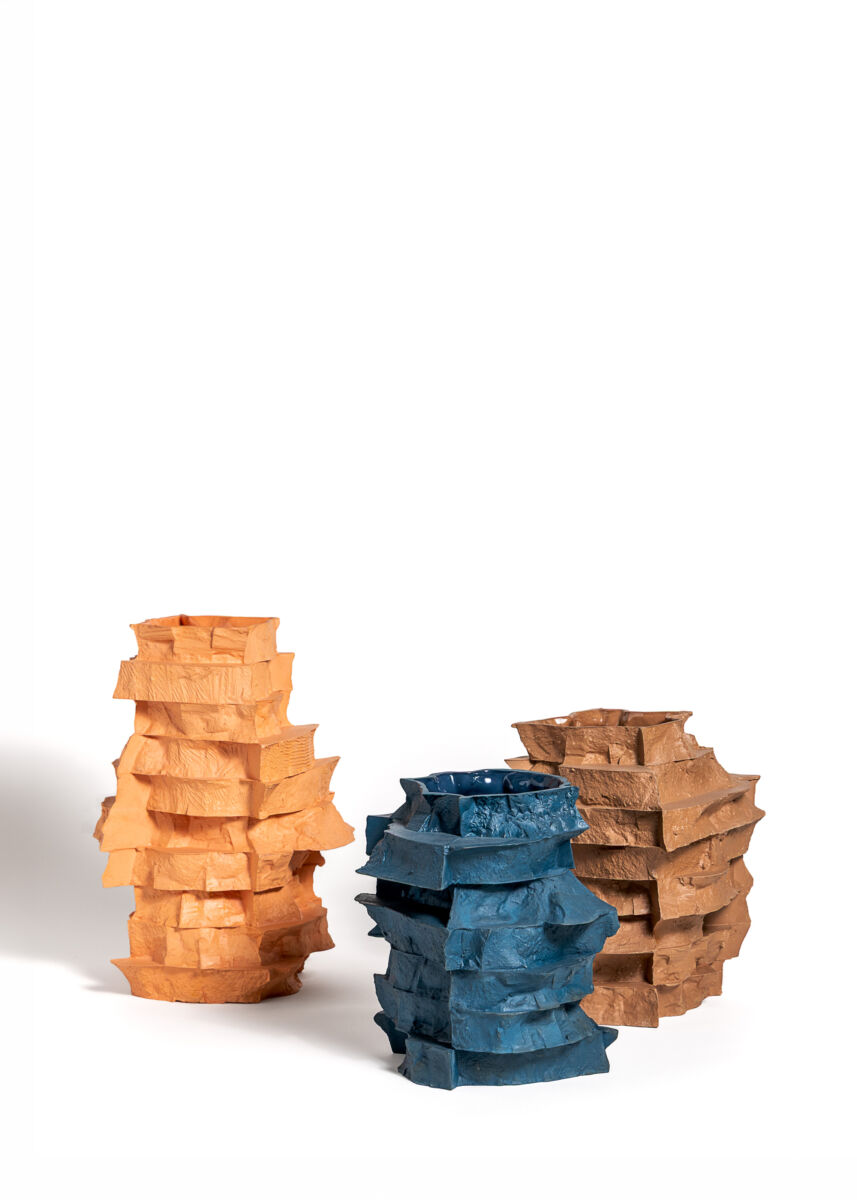
Lena Ringel, Germany
Ceramic, stoneware, pigmented, cast
Lena Ringels’ vases are characterised by their unusual form. They are cast in broken, reassembled plaster moulds and fascinate with their sculptural appearance. Destruction and renewal form the basis of Lena Ringels’ work.
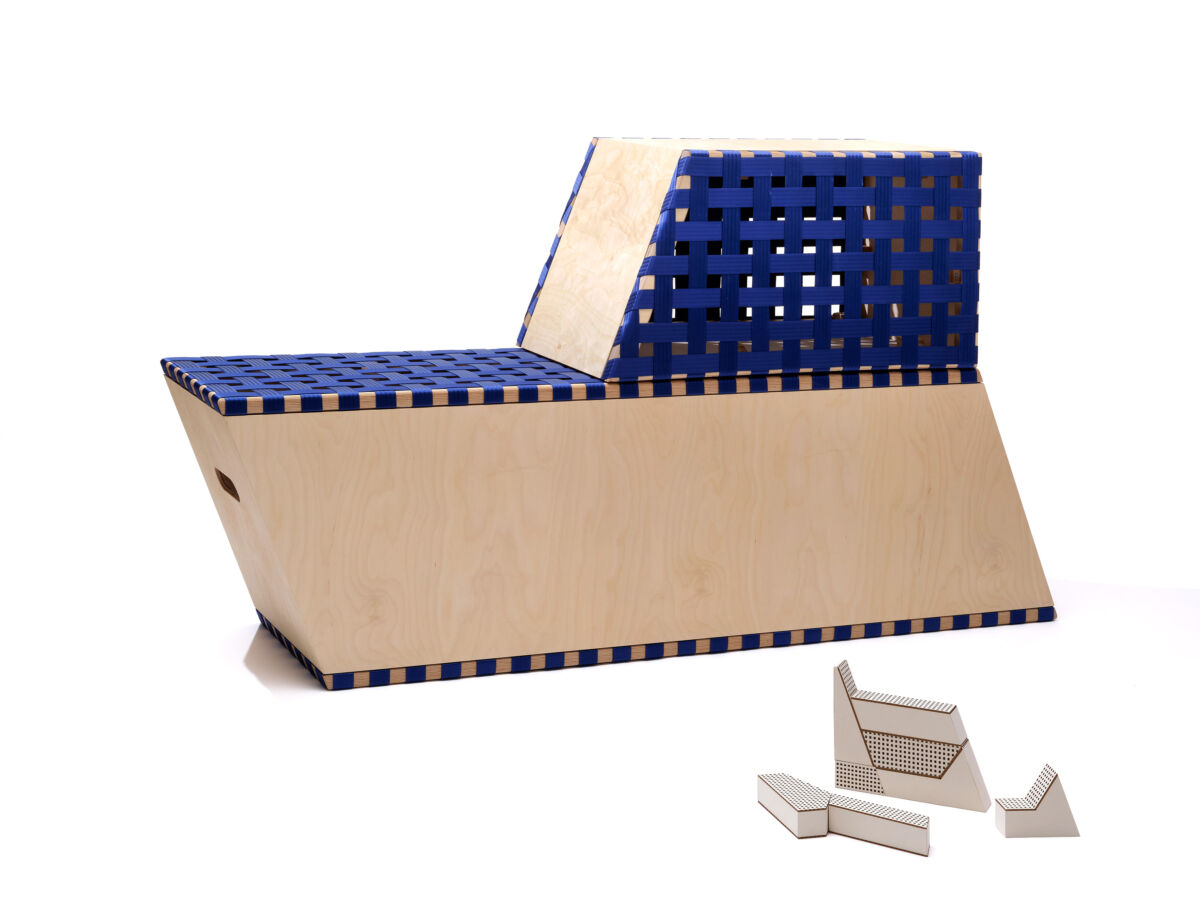
Nico Ridder, Germany
Convertible seating furniture, wood, textile straps
Nico Ridder was able to develop a modular seating system called “Mosinet” that adapts effortlessly to different spatial situations. It can be used as seating, deployed as a room divider, or stored compactly on the wall. The tensioned, colored webbing surface provides a high level of seating comfort and gives the piece of furniture a distinctive visual identity.
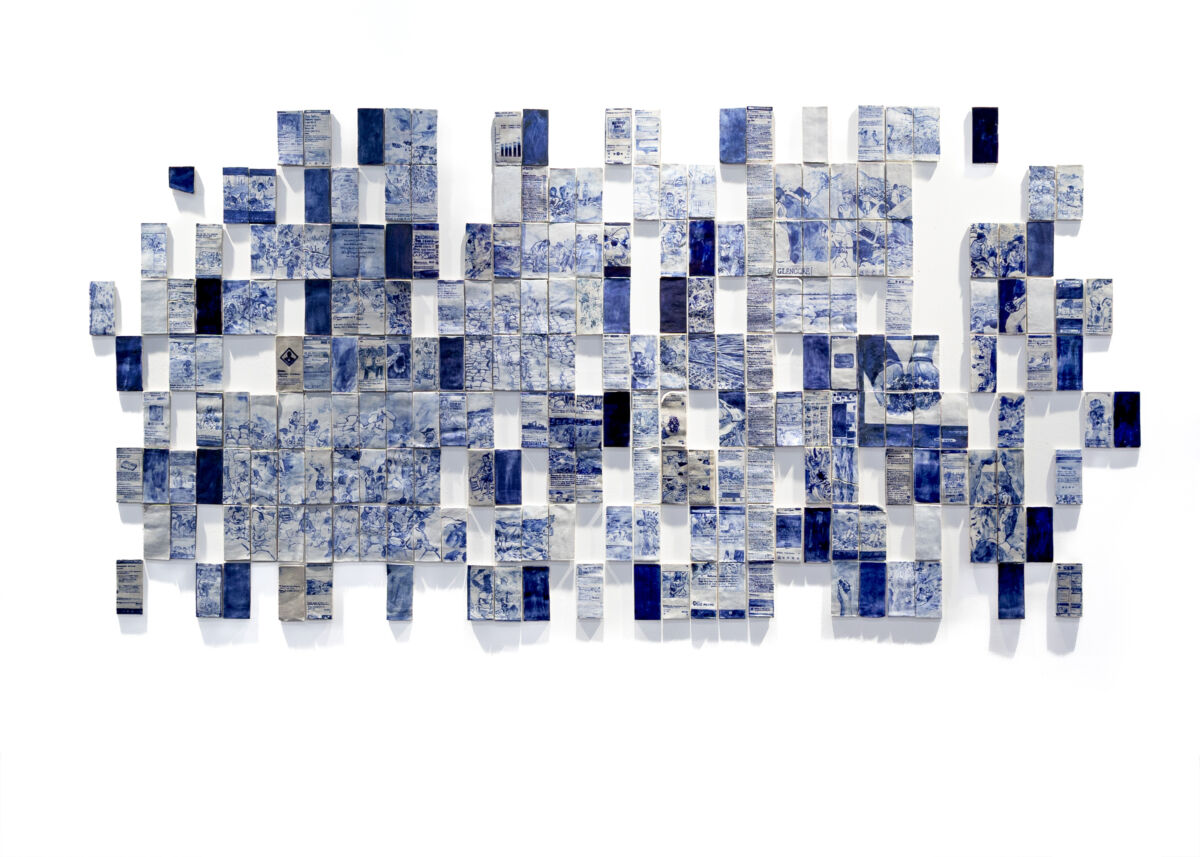
Lisa Maria Schubert, Germany
Wall piece, stoneware, painted, glazed
Cobalt oxide serves both as the material responsible for the coloration of ceramics and as a component in the batteries of digital devices such as mobile phones. Individual forms and motifs refer to this dual role and to cobalt mining itself. Lisa Maria Schubert critically engages with the often-overlooked negative consequences of contemporary technology as well as with the traditions of her craft.