TALENTE – Meister der Zukunft 2019
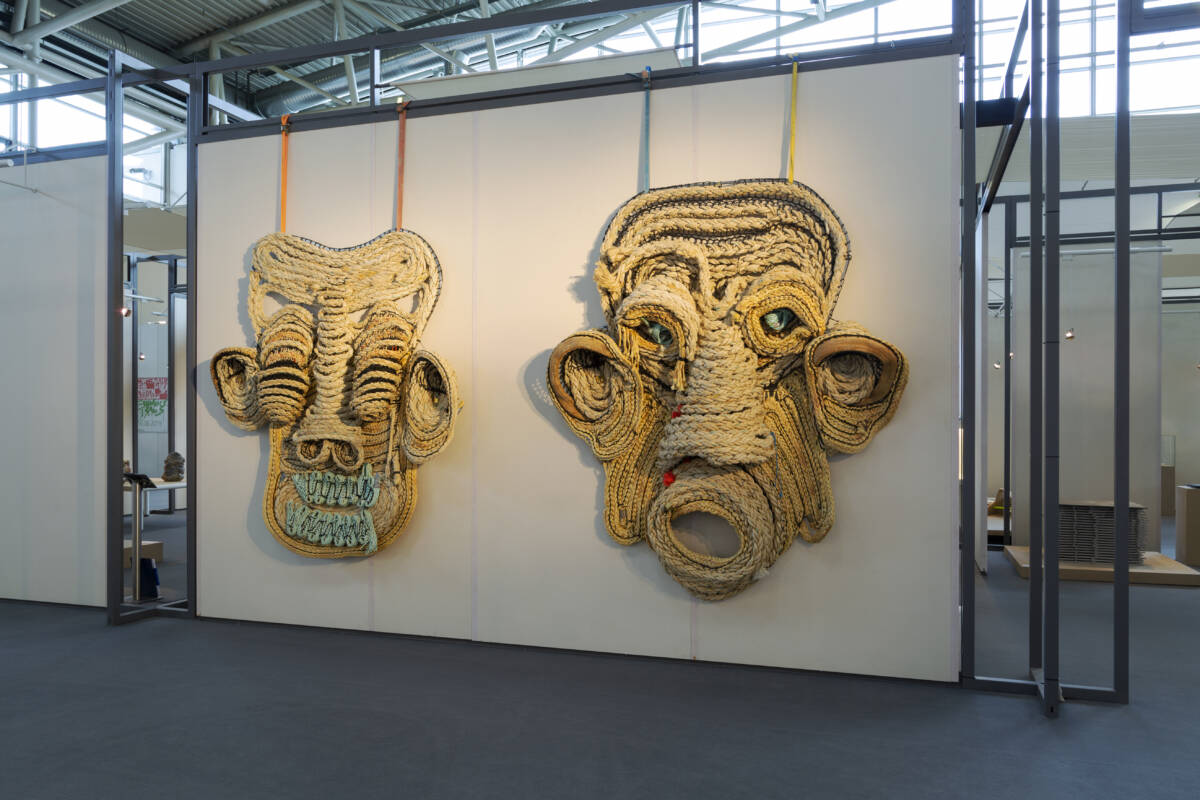
In 2019, TALENTEmünchen presented works by 103 young designers from 30 countries in 11 different crafts. This year, works by participants from China, Estonia, Iran, Latvia, Lithuania, Mexico, Romania and Ukraine were also included.
TALENTEmünchen showcased innovative, imaginative, extraordinary and very different works, particularly in the areas of glass, ceramics and jewellery, as well as an unusually large number of interesting textiles and fashion designs. This year, this focus perfectly matched the theme of the neighboring EXEMPLAmünchen, which dealt with “Textiles – Fabric of the Future”.
Current trends
Winners of the “TALENTE – Meister der Zukunft” prize 2019
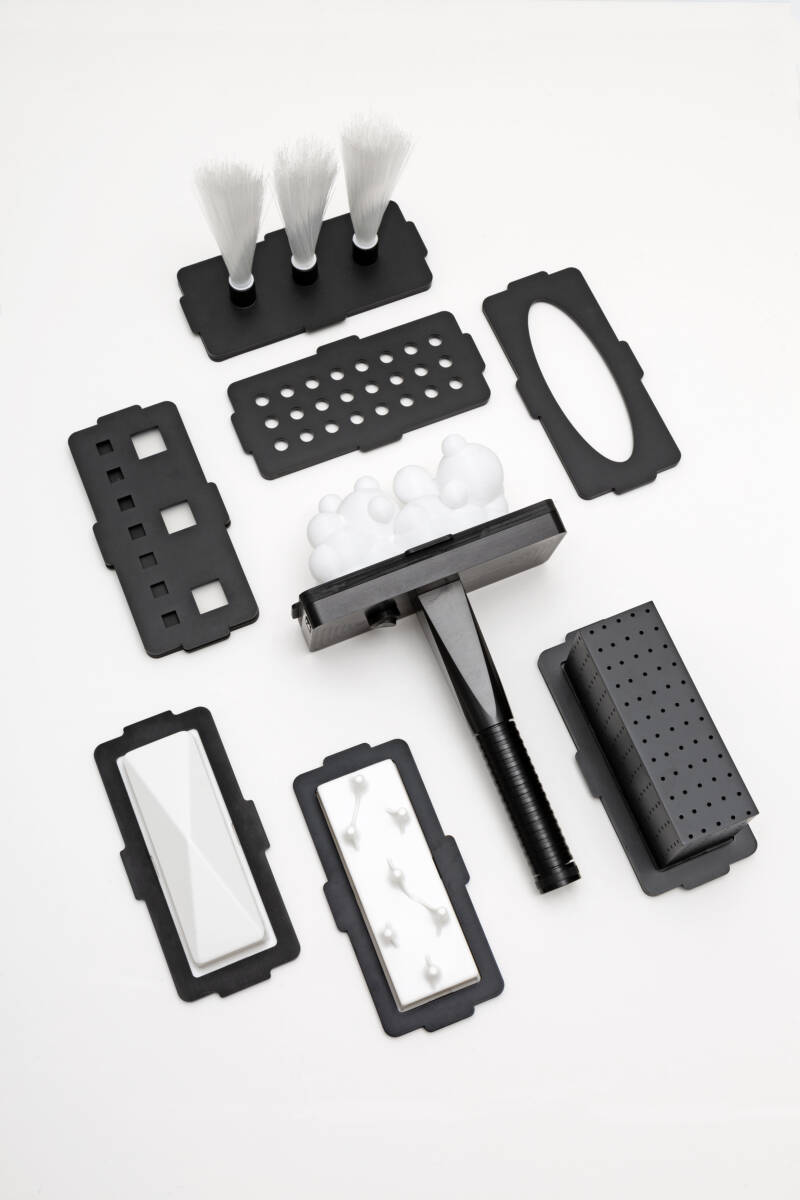
Lukas Kinder, Germany
Materials and technology
The jury appreciated Lukas Kinder’s toolkit for light painting for its user-friendly approach, its orientation towards working conditions and its considered solution to the task. Attachments allow flexibility and a wealth of effects. The high quality of the self-made tool was also praised. The consideration of emotionality and spontaneity was pointed out as a suggestion for further development of the idea.
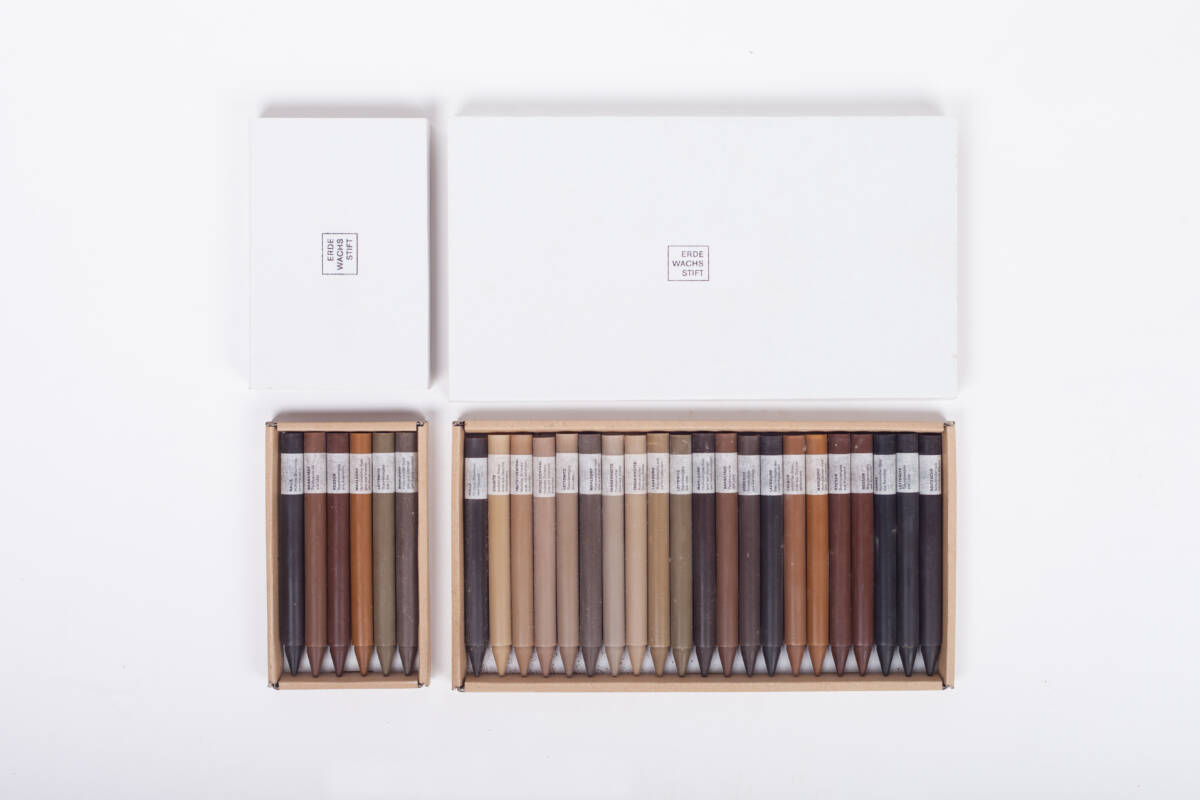
Benno Bruksch, Germany
Materials and technology
Benno Brucksch’s project “Erde – Wachs – Stift” (“Earth – Wax – Pencil”) impressed the jury with its study of nature, its reference to and engagement with nature. The jury recalled how important the study of nature was for artists in the past, especially in the field of drawing. At the same time, the jury was impressed by the respect for the earth and the insertion of this material into a new poetic-functional context that takes local conditions into account.
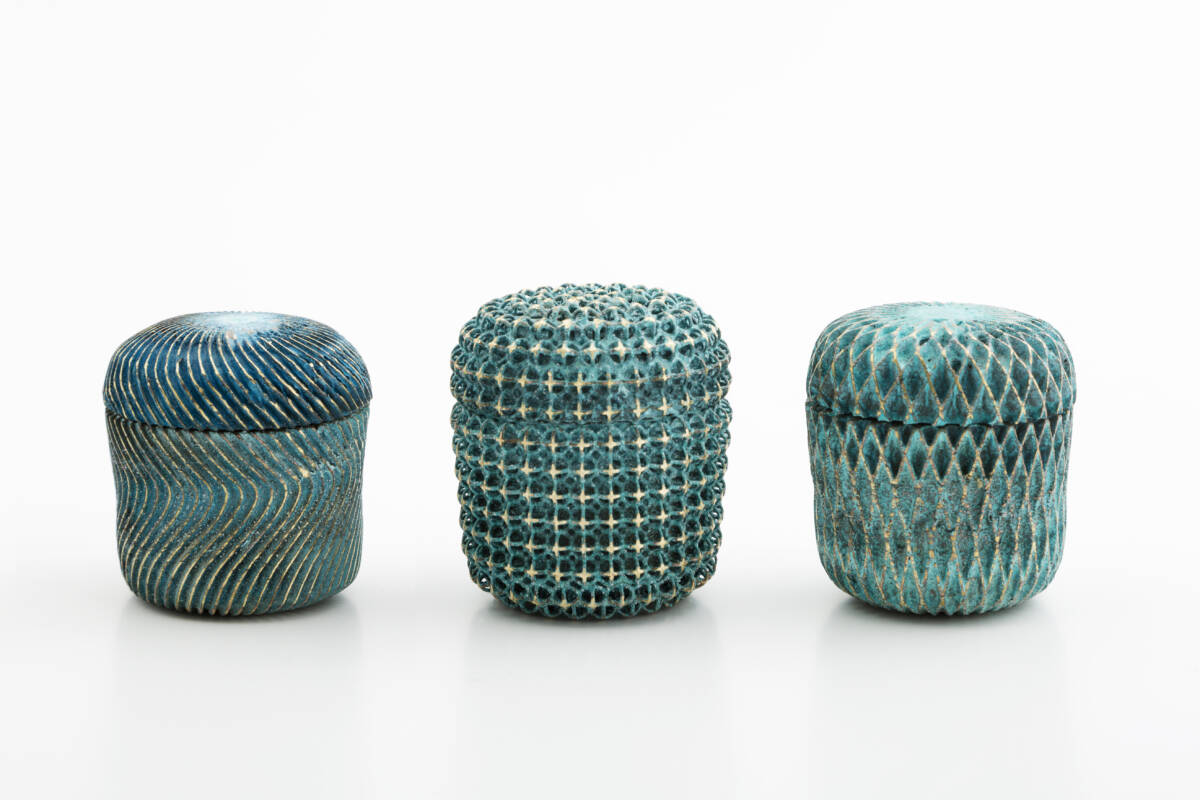
Koutaro Uranaka and Takahiro Yamamoto, Japan
Materials and technology
The fragile-looking tea caddies impress with their combination of Japanese traditions and modern technology, the interweaving of digital and analogue. The craftsmanship lends authenticity and individuality to the works, which make use of the media of modern mass production. At the same time, the works show a commitment to decoration and surface design.
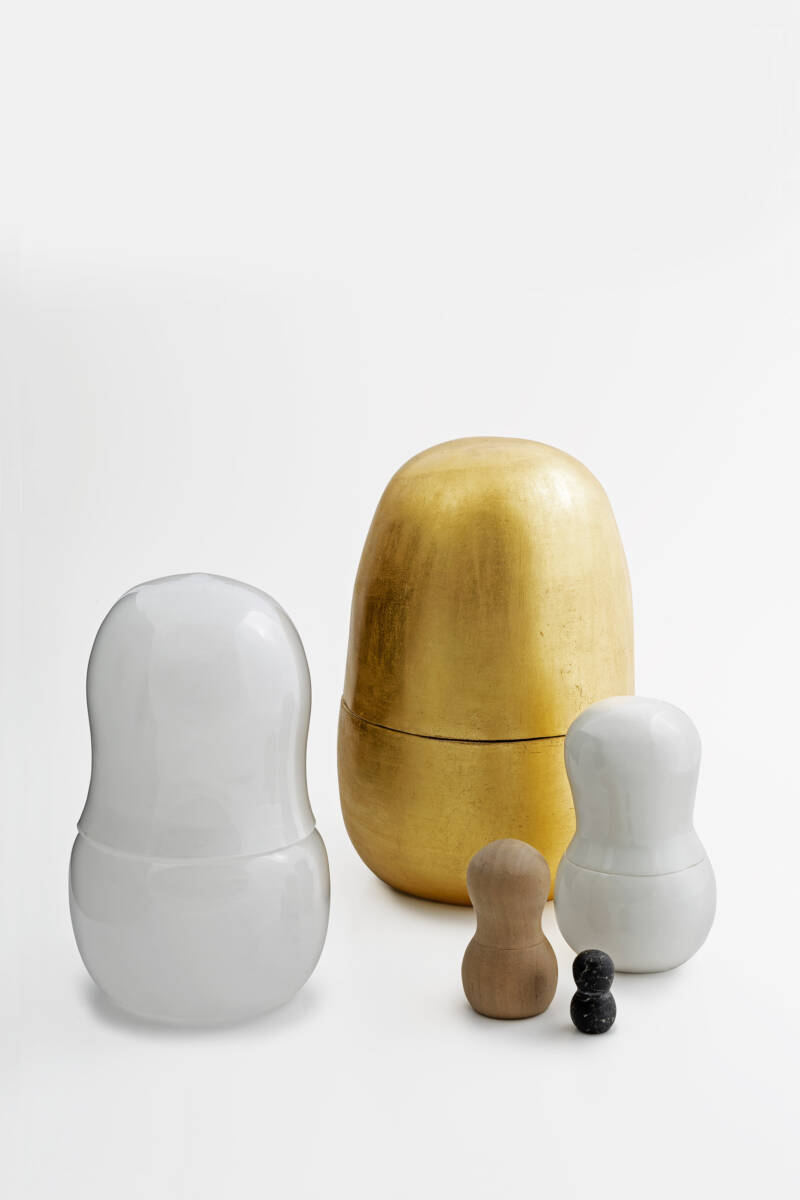
Morgane Beyrend, France
Mixed Media
Morgane Beyrend’s work deals with Alzheimer’s disease and old age. The loss of control associated with the disease is illustrated in the increasing loss of clear form. The motif of the Russian peg doll symbolises the restriction to the self. The increasing dissolution of form and the gradation of the materials translate the fragility of old age. The project may serve as a comfort to the family of those affected and help them to better understand the illness.
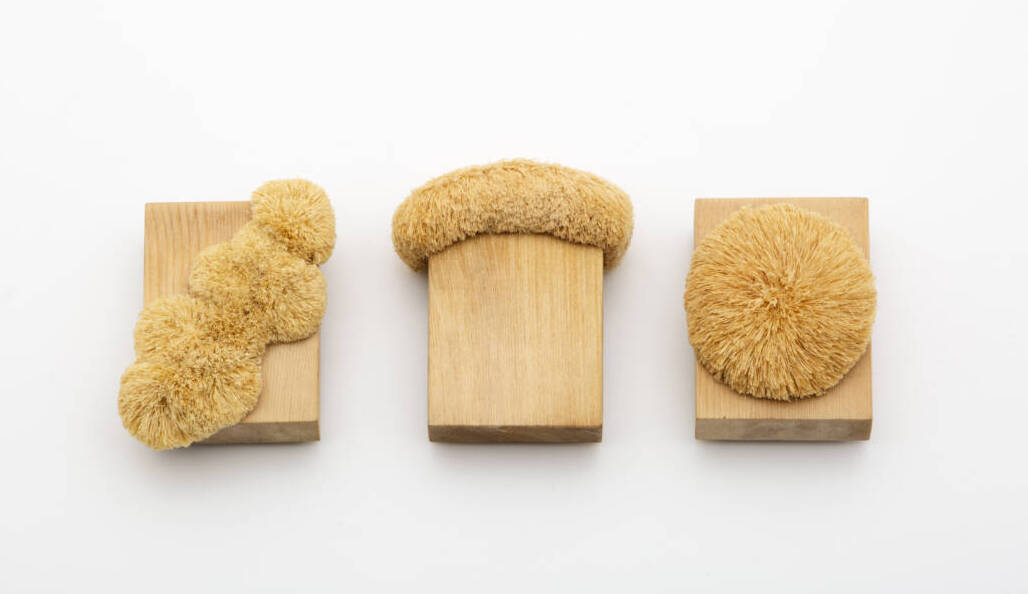
Manami Aoki, Japan
Jewellery
The brooches impress with their sensitivity and poetry, their respect for the material and their handling of proportions. They translate the process of combing into the material of cypress wood. The haptic qualities and illusionistic approaches were also praised.
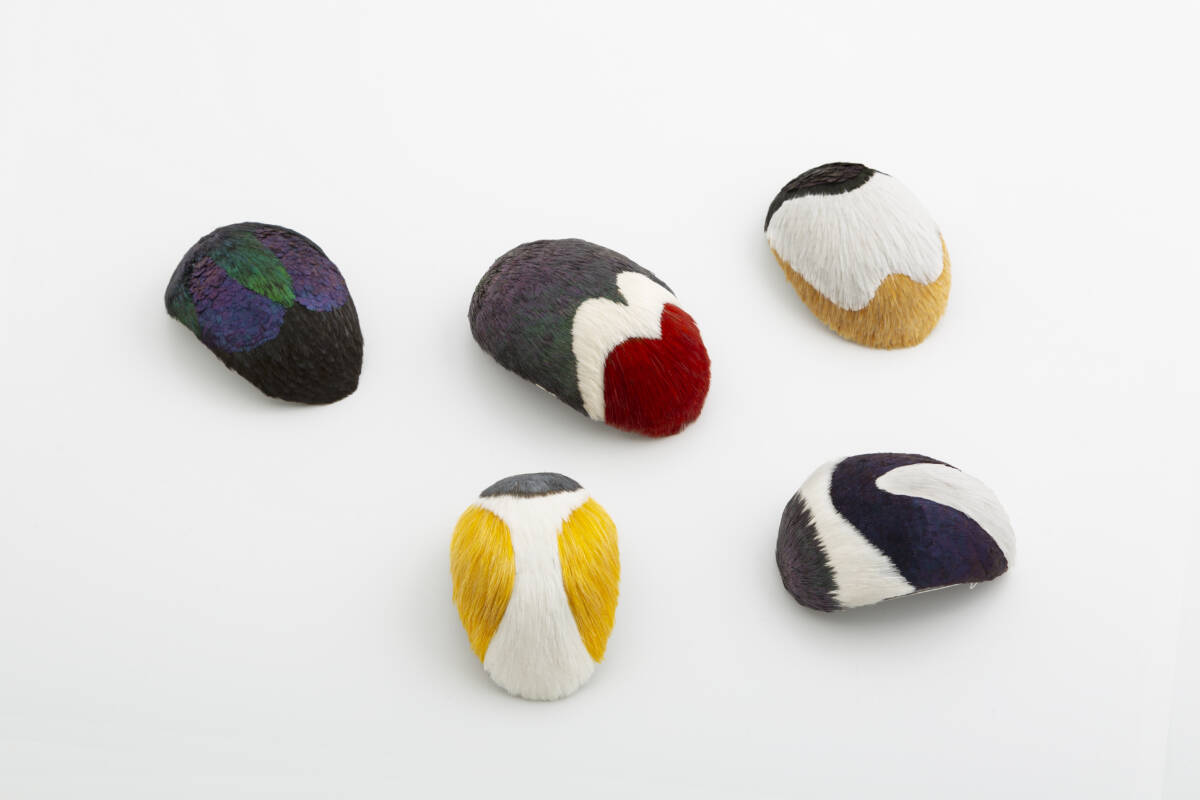
Marion Delarue, France
Jewellery
Marion Delarue’s shoulder brooches made of feathers impressed the jury with their organization systems and sophistication. They emphasize the shoulders and thus trigger military associations. At the same time, the splendor of the feathers, which are treated in a delicate, respectful manner, refers to the courtship behavior of birds and thus also to jewellery as a means of communication and self-expression.
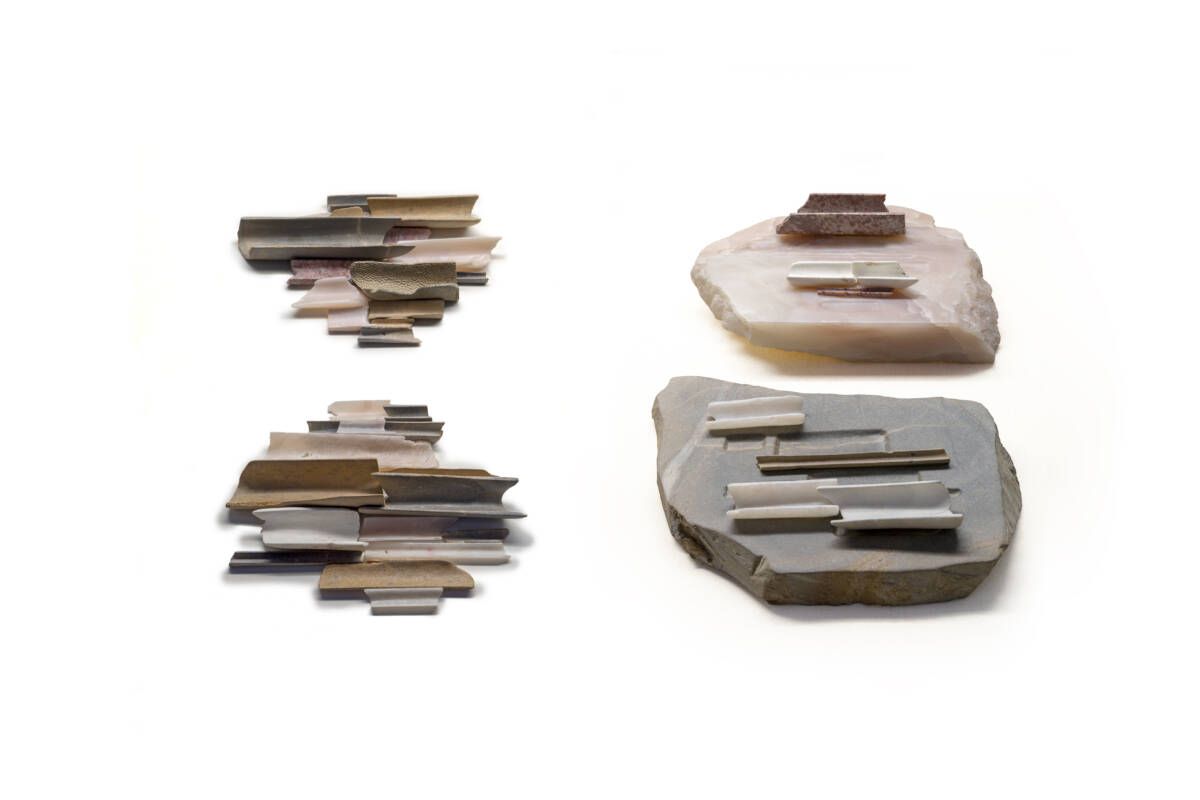
Elwy Schutten, Netherlands
Stone
Elwy Schutten’s works fascinated the jury because of their exploration of material qualities and their examination of the relationship between belonging to a group and individuality. Her works are based on modules, on clear forms. They are characterised by delicacy, fragility, the subtle combination of forms and colours. At the same time, their combinability gives them a playful character.
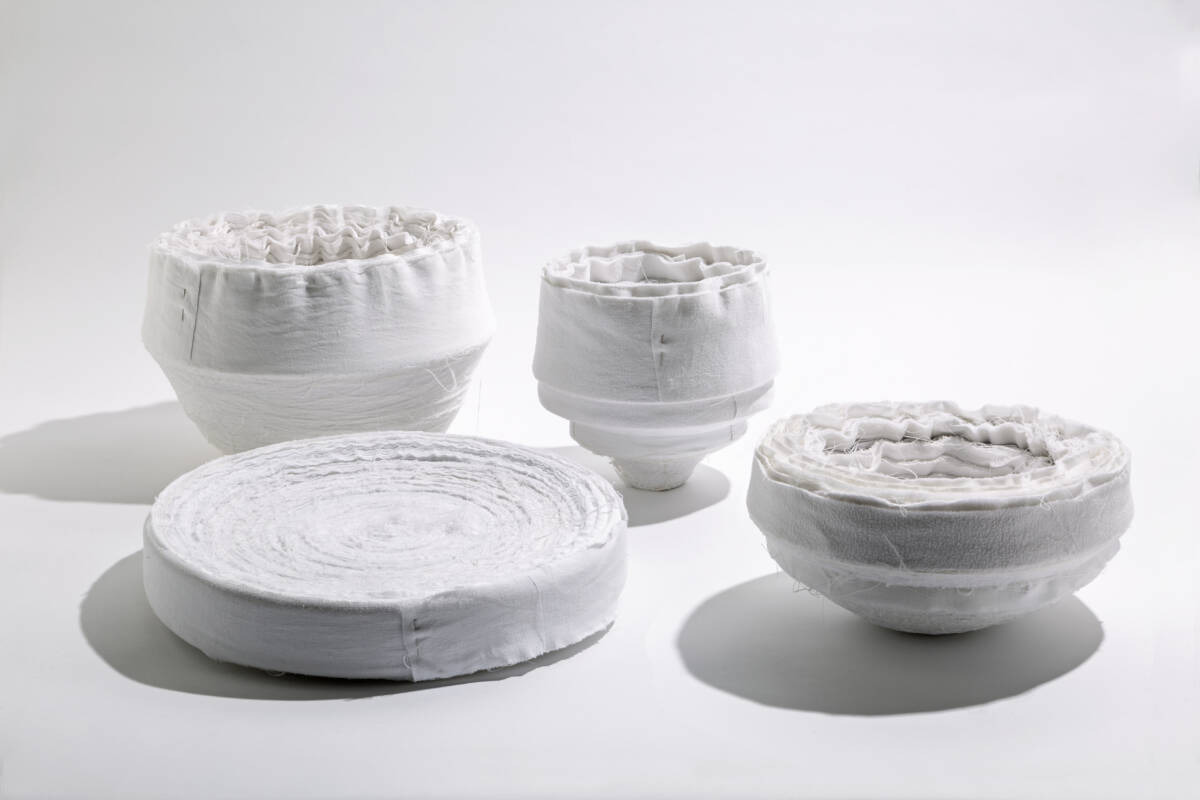
Jamila Wallentin, France
Textile
Jamila Wallentin’s bowl objects are characterised by the circular movement and the originality of the material. She creates three-dimensional forms from the flat textile. By layering them on top of each other, she creates poetic works in a seemingly meditative process.
Winner of the Bavarian State Prize 2019
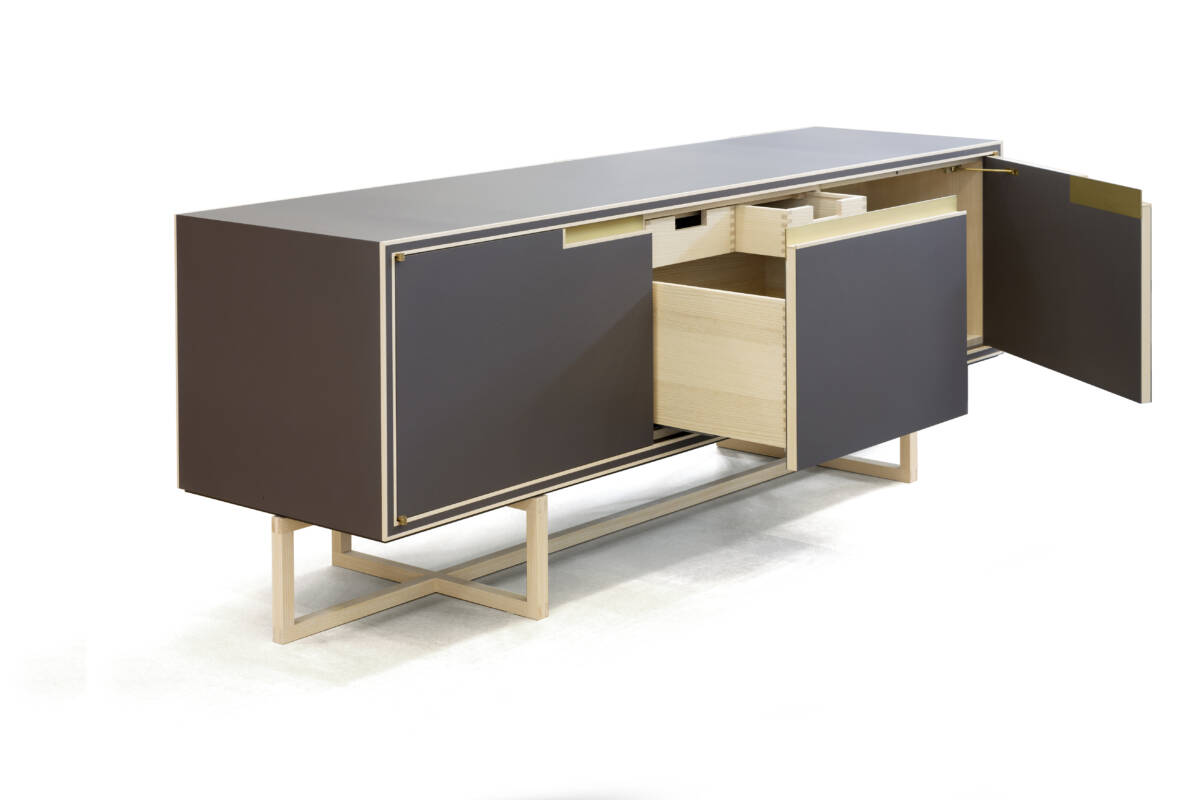
Martin Rolletschek, Germany
Sideboard
Master carpenter Martin Rolletschek from Dachau produced a sideboard that is characterised by strict geometry and symmetry. As the wooden frame has a very small cross-section, the body appears to float. The mauve-colored linoleum forms an attractive contrast with the light ash. With its minimalist design, unusual color scheme and choice of materials, this is an elegant, understated piece of contemporary furniture. A small secret compartment is also cleverly concealed.