TALENTE – Meister der Zukunft 2025
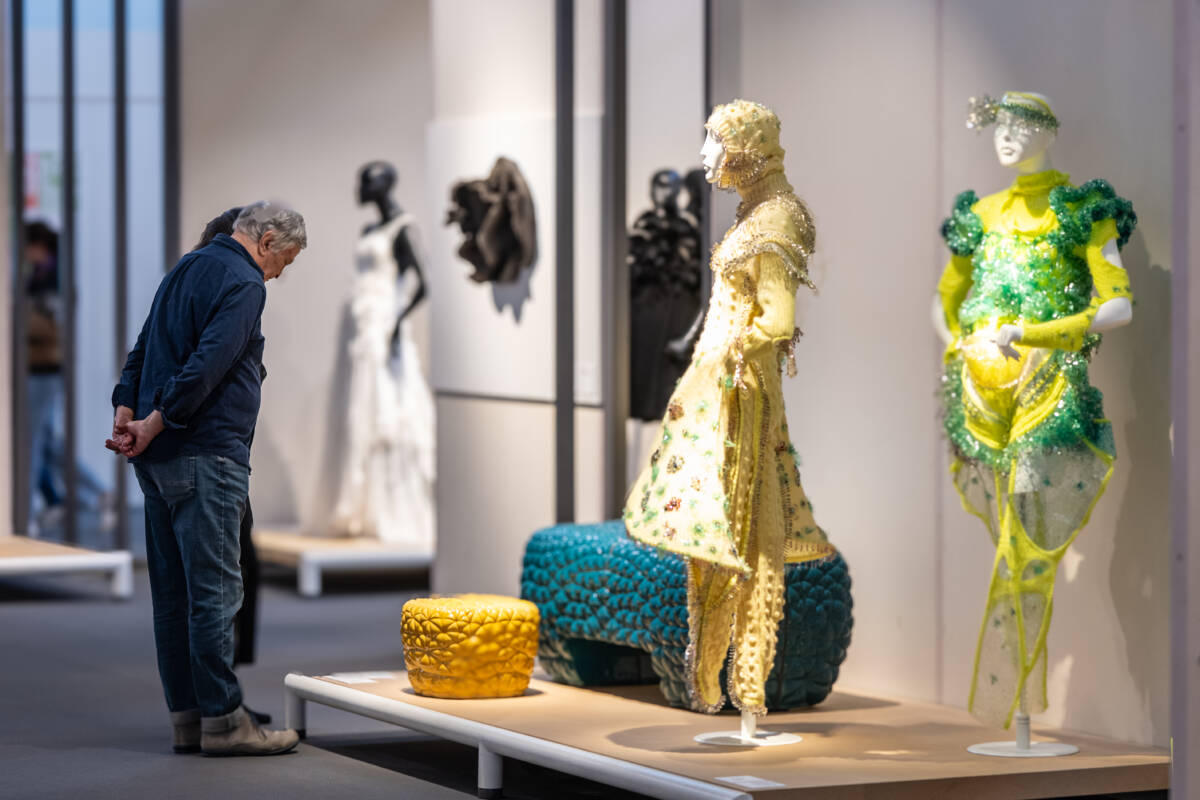
In 2025, “TALENTEmünchen – Meister der Zukunft” presented the work of 92 young talents from 12 different crafts, including mainly textiles, glass and ceramics, but also furniture making, jewellery and leather goods. This year’s participants come from 27 countries around the world, including Colombia, Pakistan, Zimbabwe, China, Ecuador and Israel. There were no limits to the materials used either: there were even works made from tea or wax to discover.
The world is constantly changing – you can and should see that. Works of art and everyday objects look different today than they did 100 years ago – and the future will also bring completely new objects. Young people in particular have an unmistakable sense of impending changes. They want to play an active role in shaping the future and consciously accept challenges.
This was evident, for example, in the numerous works dealing with upcycling and recycling: Existing raw materials were reused or repurposed, such as electronic vessels or leftover textiles. Global warming is also an important topic for young people, with façade tiles for planting offering a way to cool down the cities a little.
Current trends
Winners of the “TALENTE – Meister der Zukunft” prize 2025
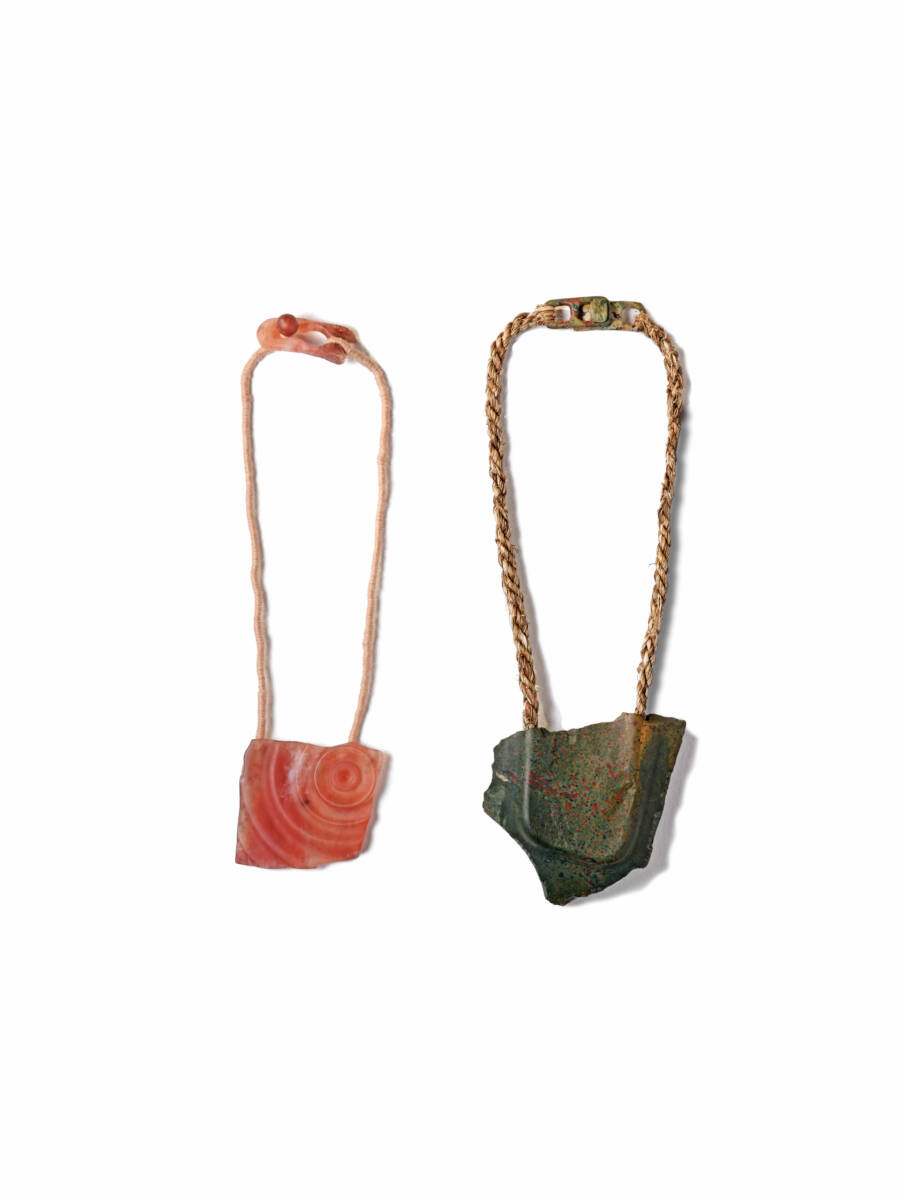
Natascha Frechen, Germany
The jury praised Natascha Frechen’s work for her handling of the material and its properties. These include the connections between different materials, the continuity of the material and the impression of an apparent, unusual softness in the stone. The individual design of cords and clasps was also noted, the design of which is based on the respective pendant.
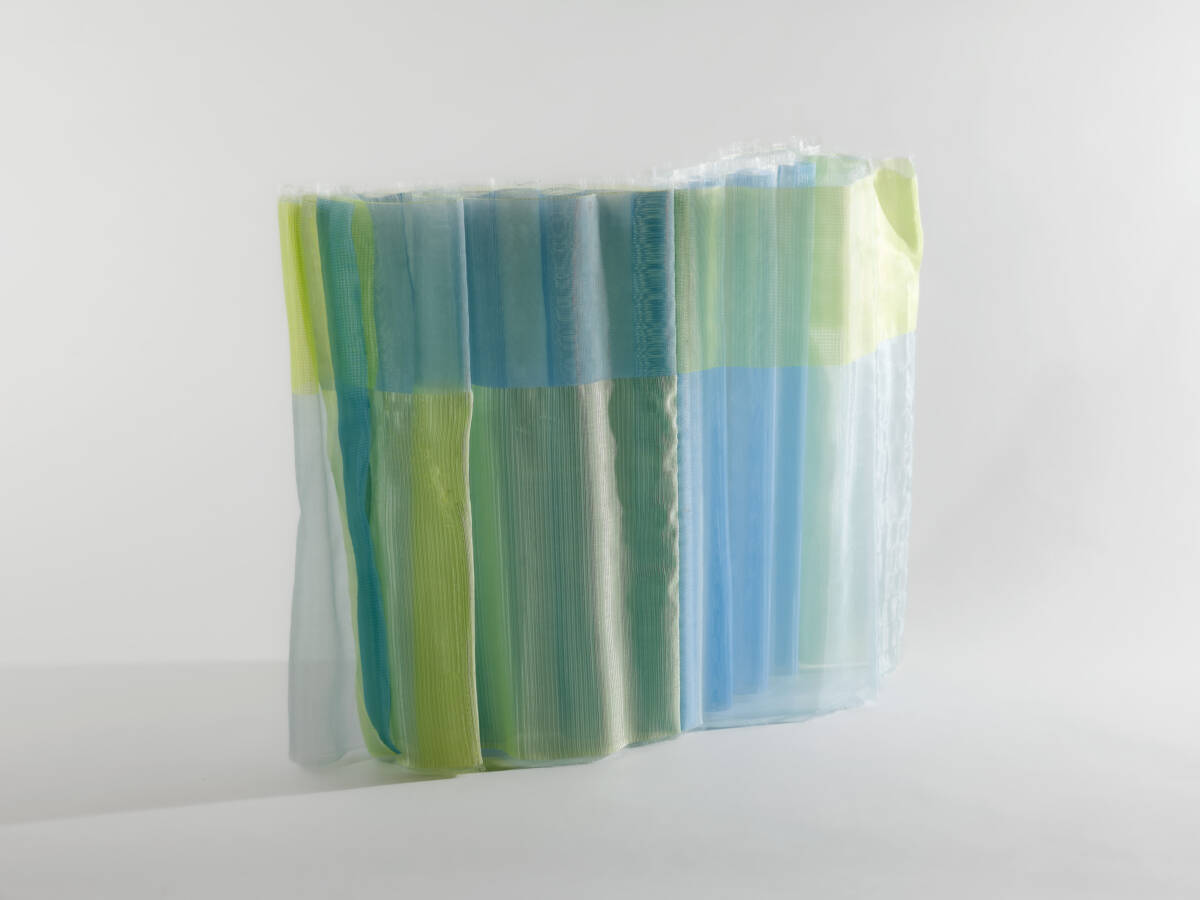
Lisa Fuhrig, Germany
In Lisa Fuhrig’s textile works, the jury particularly praised the transfer of her experience on the handloom to modern techniques, the subtle colorfulness and depth effect. In a multi-stage process, she achieves the three-dimensional effect of her works through post-processing. The sophistication is based on a great deal of planning, experience, material and process research.
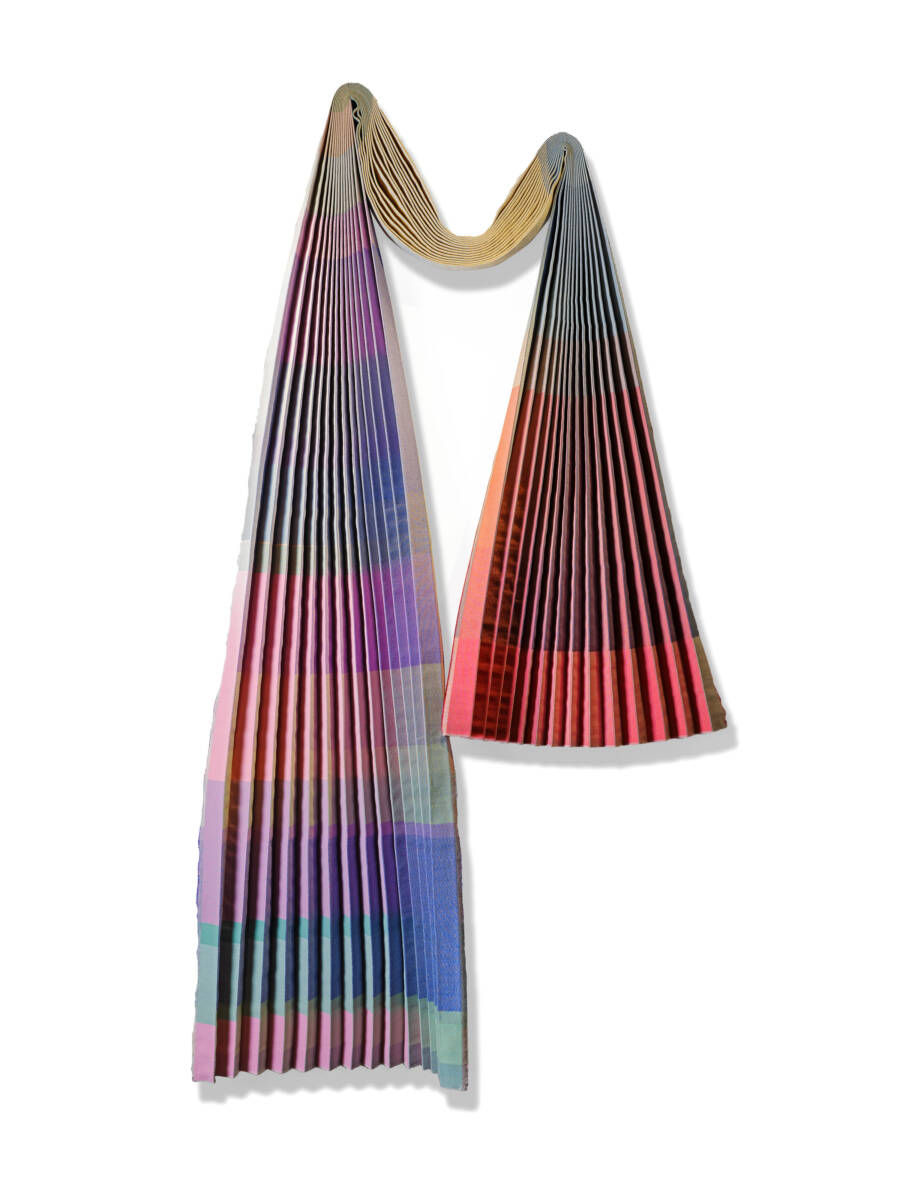
Paula Holzhauser, Germany
In Paula Holzhauser’s textile works, the combination of sustainability, folding technique and change of perspective is fascinating. The color combinations and subtle transitions lend the works a special charm, especially as they present different, surprising perspectives with their striking folds.
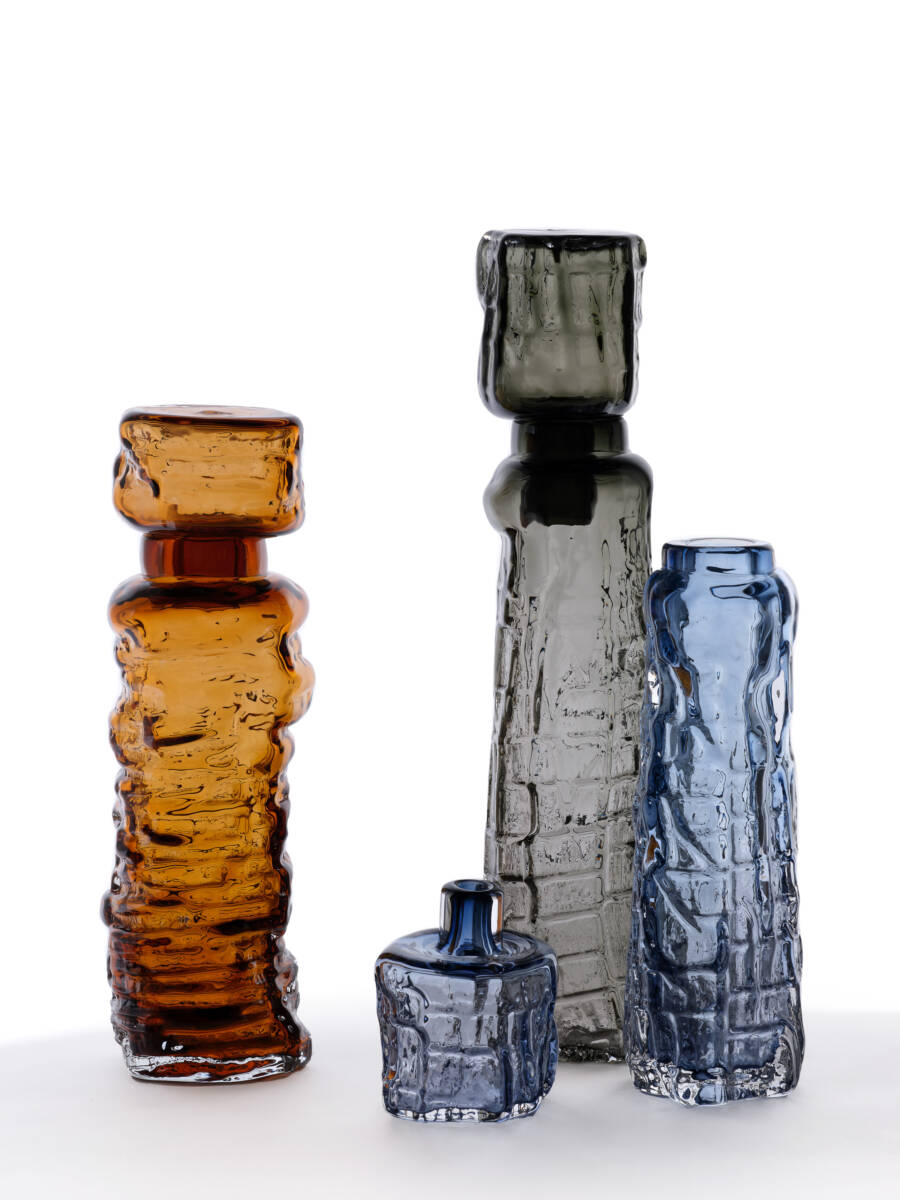
Andreas Rier, Italy / Germany
The vessel objects in Andreas Rier’s “uno col’altro” series interested the jury due to the production method of mold-blown glass with molds made of different types of wood, which change with each production step and thus ensure constantly varying shapes. The detailed, labour-intensive production and the exhaustion of the possibilities of working in the glassworks were just as fascinating as the connection to past glass traditions and their transfer to the present.
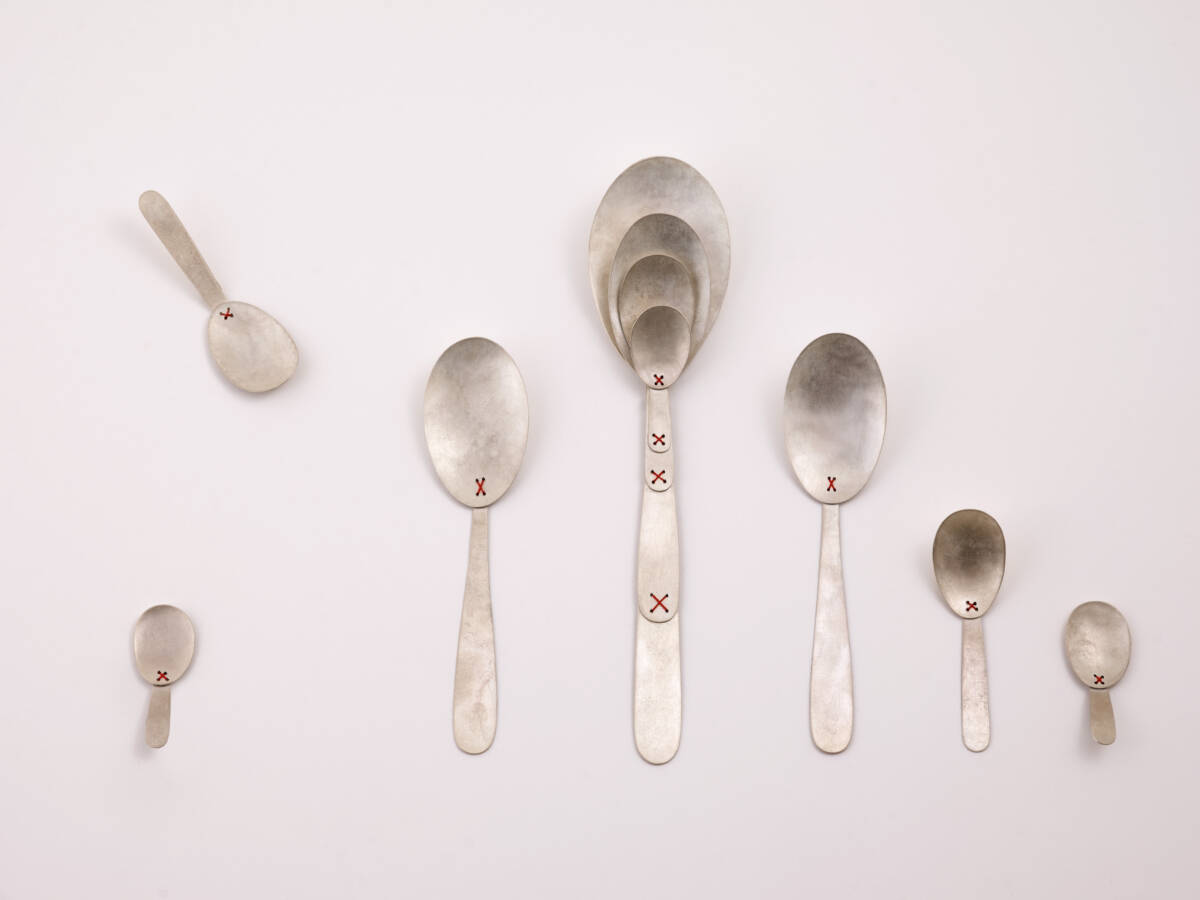
Yegyu Shin, South Korea / Germany
The jury was impressed by the concept on which the spoon series is based, as the spoons visualise a life cycle in their different sizes and designs. The idea is based on the observation that spoons accompany people from an early age until the end of their lives. The fine silver spoons symbolise the fragility, delicacy and purity of life.
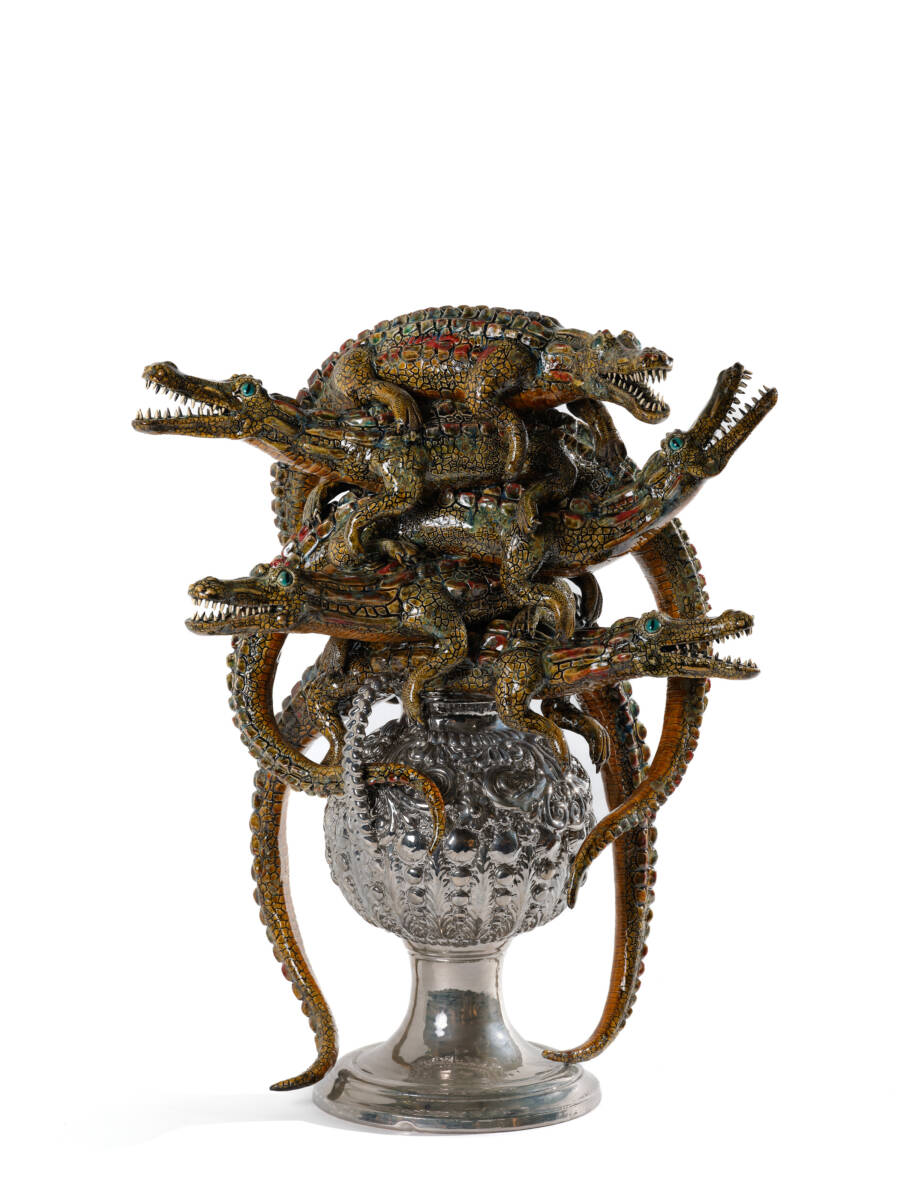
Onno Theelen, Netherlands
Onno Theelen’s large objects captivated the viewer with their combination of a historicist and contemporary approach, combined with an individual eye and humor. The details of the production were just as convincing as the unusual, thoroughly daring approach.
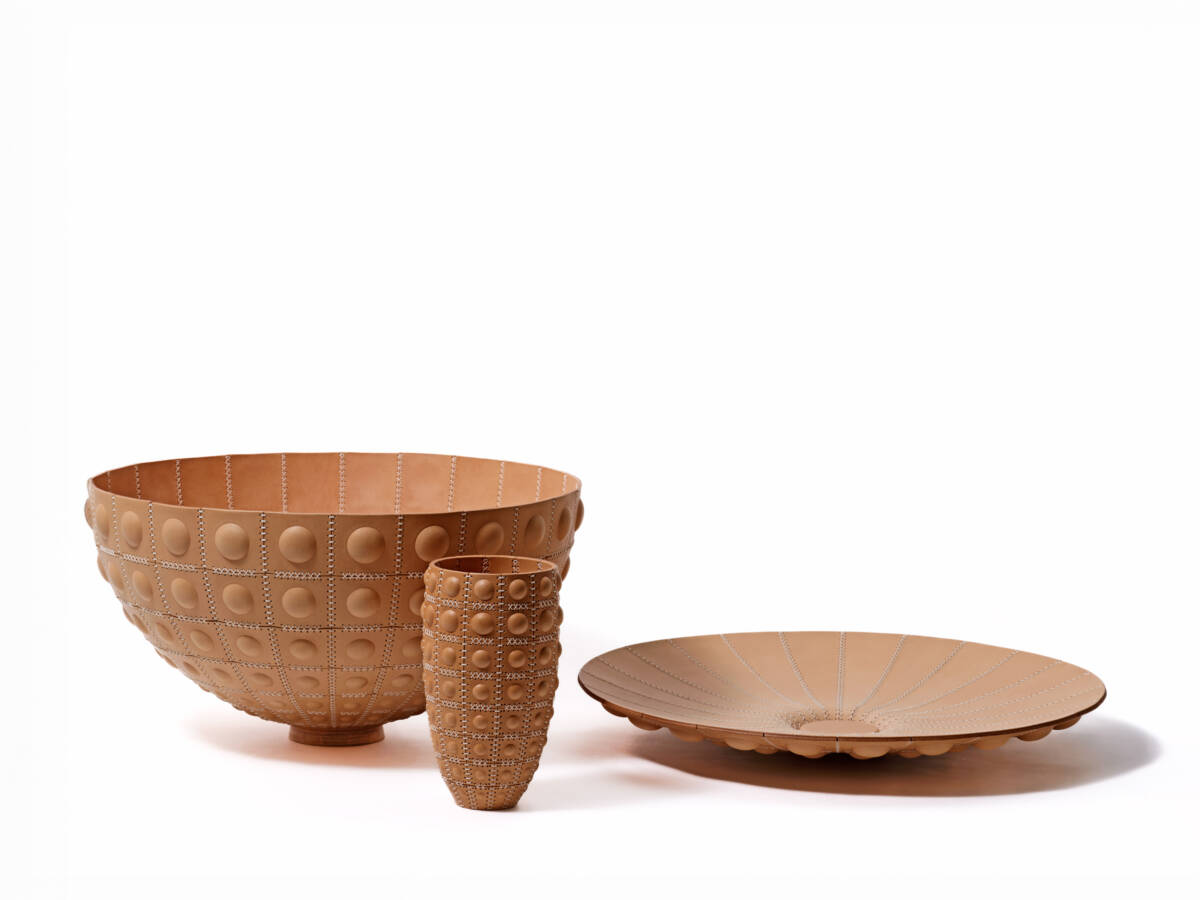
Ta Chun Wei, Taiwan
Ta Chun Wei’s leather vessels impress with their handling of the material, the individual, innovative approach, the precise, seemingly built construction and the craftsmanship. The material transfer from metal to leather is just as interesting as the creative engagement with the tradition of regional metal craftsmanship.
Winners of the Bavarian State Prize 2025
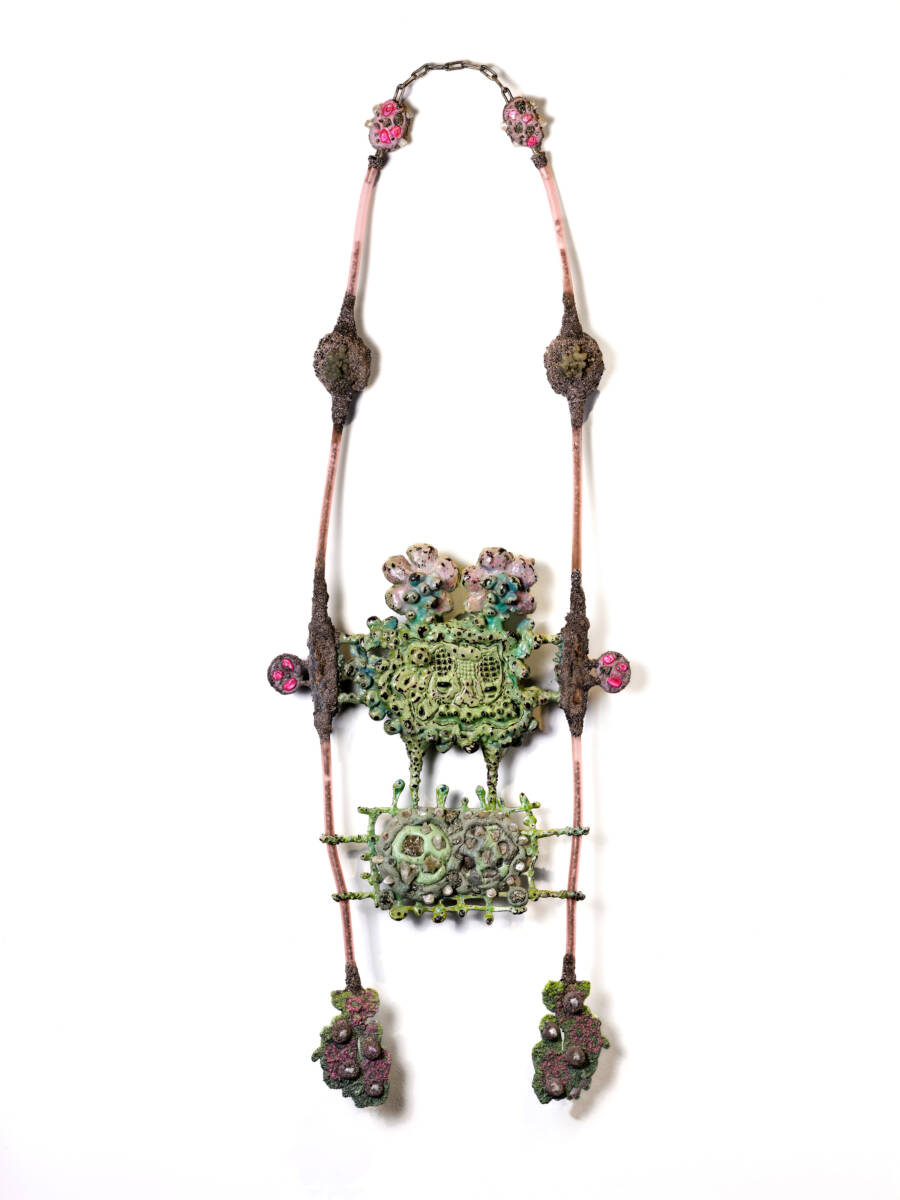
Sulo Bee, USA
Jewellery
In a mixture of traditional and contemporary techniques, gemstones, metal and profane materials from the environment, such as the desert sand from Texas, come together. The young jewellery designer creates an unseen new aesthetic that inspires dreams when worn and viewed and invites you into a fantastic world.
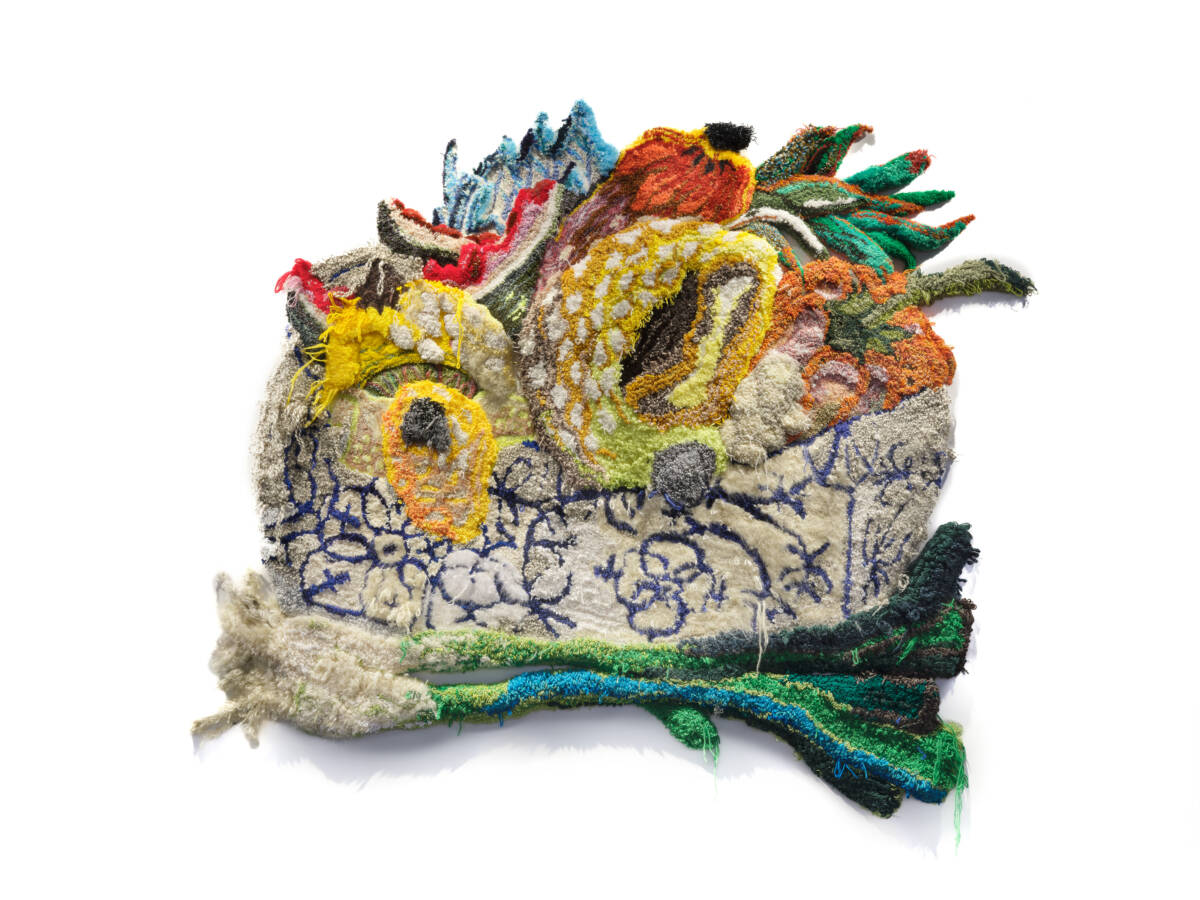
Fern Liberty Kallenbach Campbell, USA / Germany
Textile
The traditional textile technique of tufting is currently experiencing a renaissance – as exemplified by the young German-American designer Fern Liberty Kallenbach Campbell. The classic motif of a still life on a table is conceptually developed through painting and digital processing and implemented in an exemplary manner using a wide variety of textile fibers in a three-dimensional and tactile way.
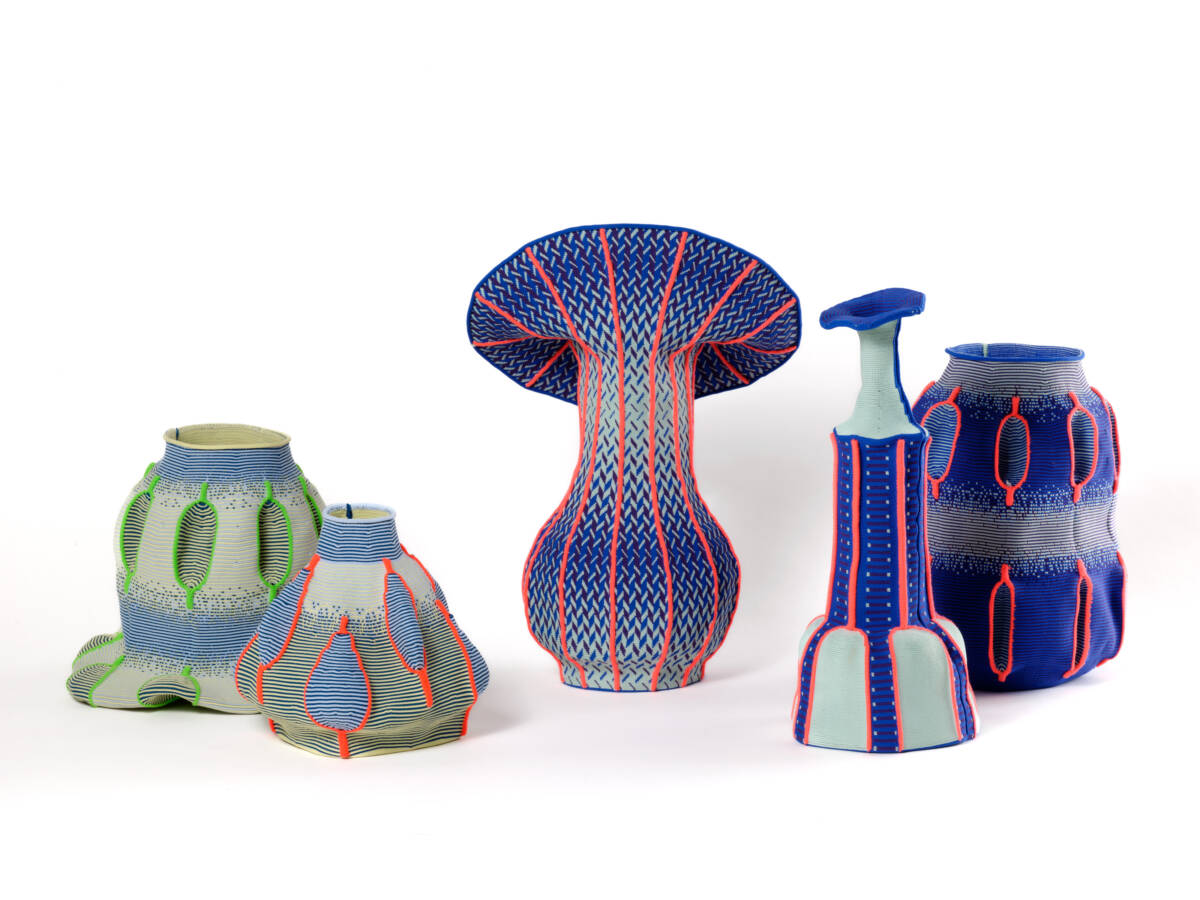
Fleury-Dugy Gaspard, France
Textile studies, 3-D knitting (voluminous vases)
The French textile designer has dedicated herself to the technique of knitting. She develops patterns and colour concepts that she explores in fiber thicknesses and the colours of the rainbow. Beyond the innovative patterns, a dialogue is created between handcrafted and digital processes. The results are original shapes reminiscent of vessels.
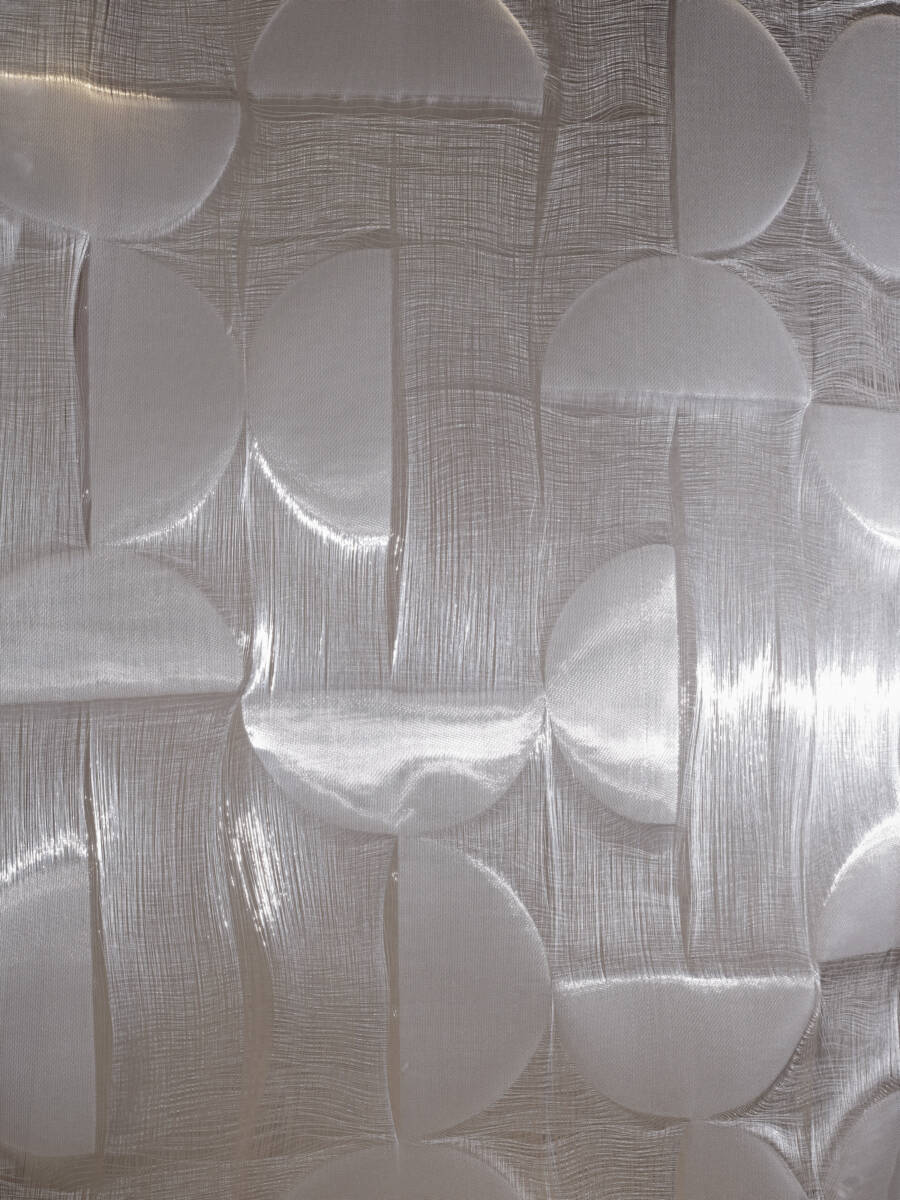
Rebecca Milautzki, Germany
Textile
These textiles woven using the jacquard technique are fascinating in their flexibility and translucency. The three-dimensional weave is underlaid with complex fabric structures. Flowing reflections and delicate shadows fascinate viewers and users alike.
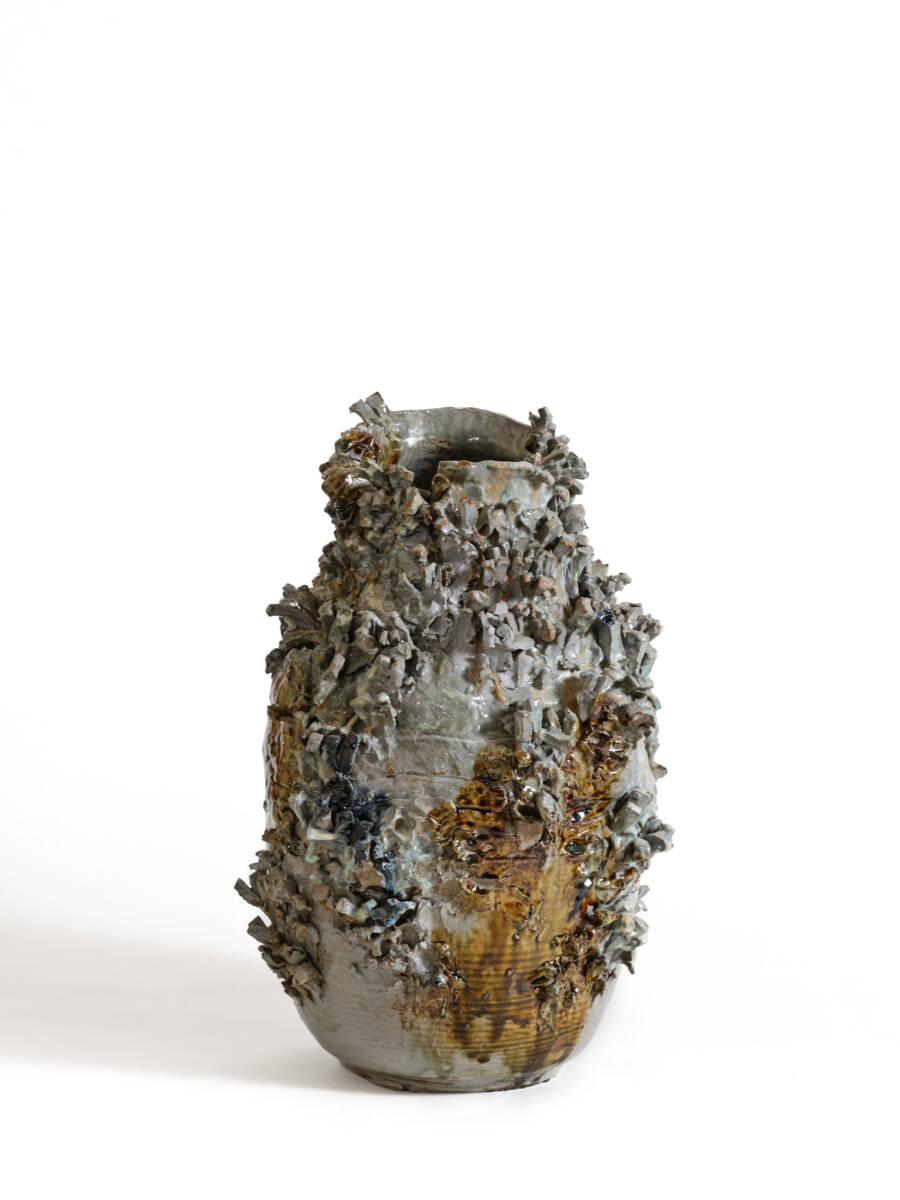
Romina Ried, Germany
Ceramics
Trained as a wood carver, Romina Ried studied ceramic design at Burg Giebichenstein. She broke away from the influence of her formative teachers and developed an independent formal language, which is presented in the self-confidently appearing vessels. The materials collected from nature are stored in delicate plays of colour.
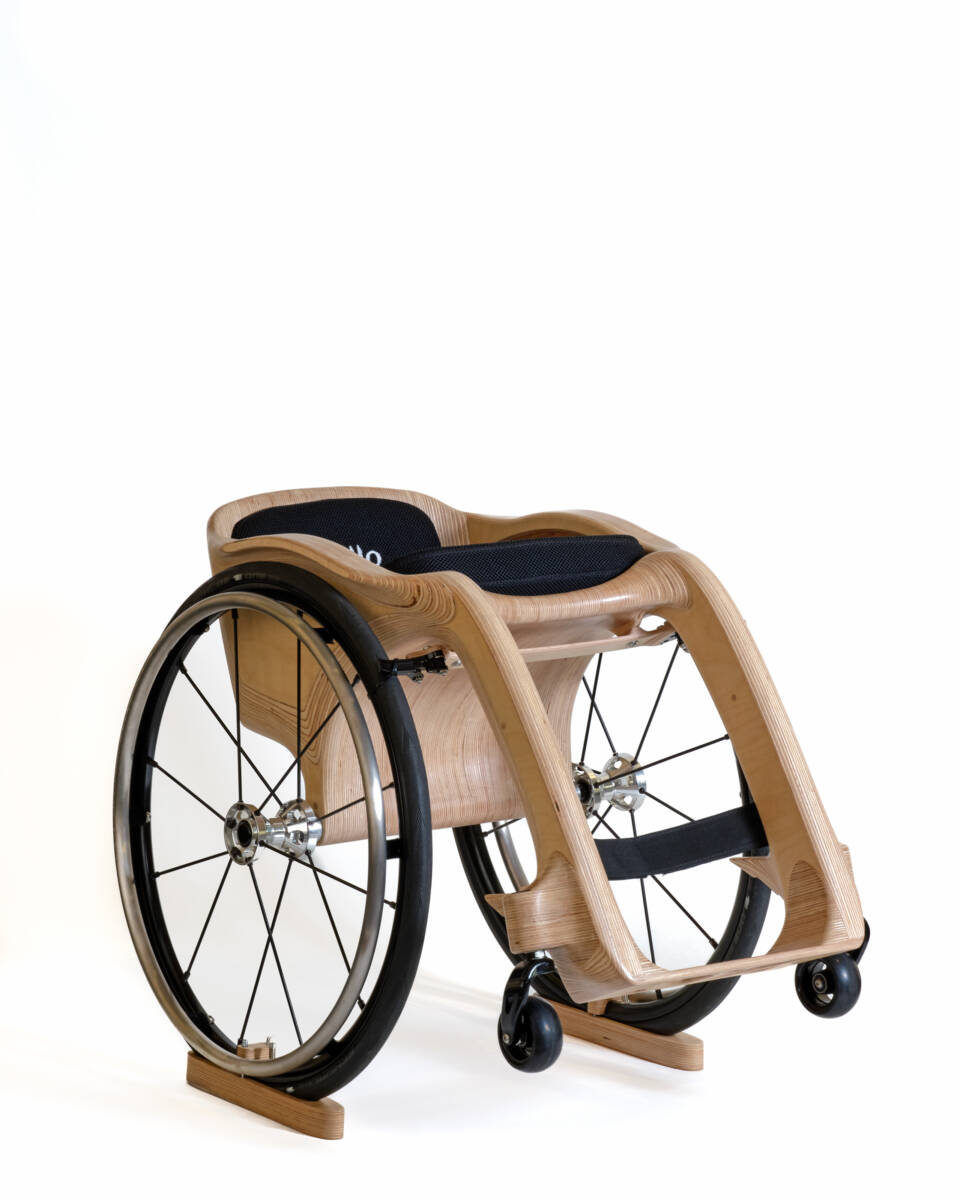
Apollo Wooden Wheelchairs, France
Wooden wheelchair “Apollo IV, special edition Paris 2024”
The French developer and manufacturer of these modern wheelchairs uses modern CNC-controlled tools to cut slats from birch plywood, which are joined together on an axis to form the chair’s blank. All superfluous material is cut out of the parts in order to achieve the lowest possible weight with maximum stability. The blank is then painstakingly machined and sanded by hand until the pleasantly rounded shapes and ultra-fine surface are achieved. The chair is adapted to the user with customized upholstery and fitted with tried-and-tested wheels. The rigid wheelchairs are equally suitable for sporting activities and for use in the home as a successful piece of furniture and means of transportation for people with disabilities.