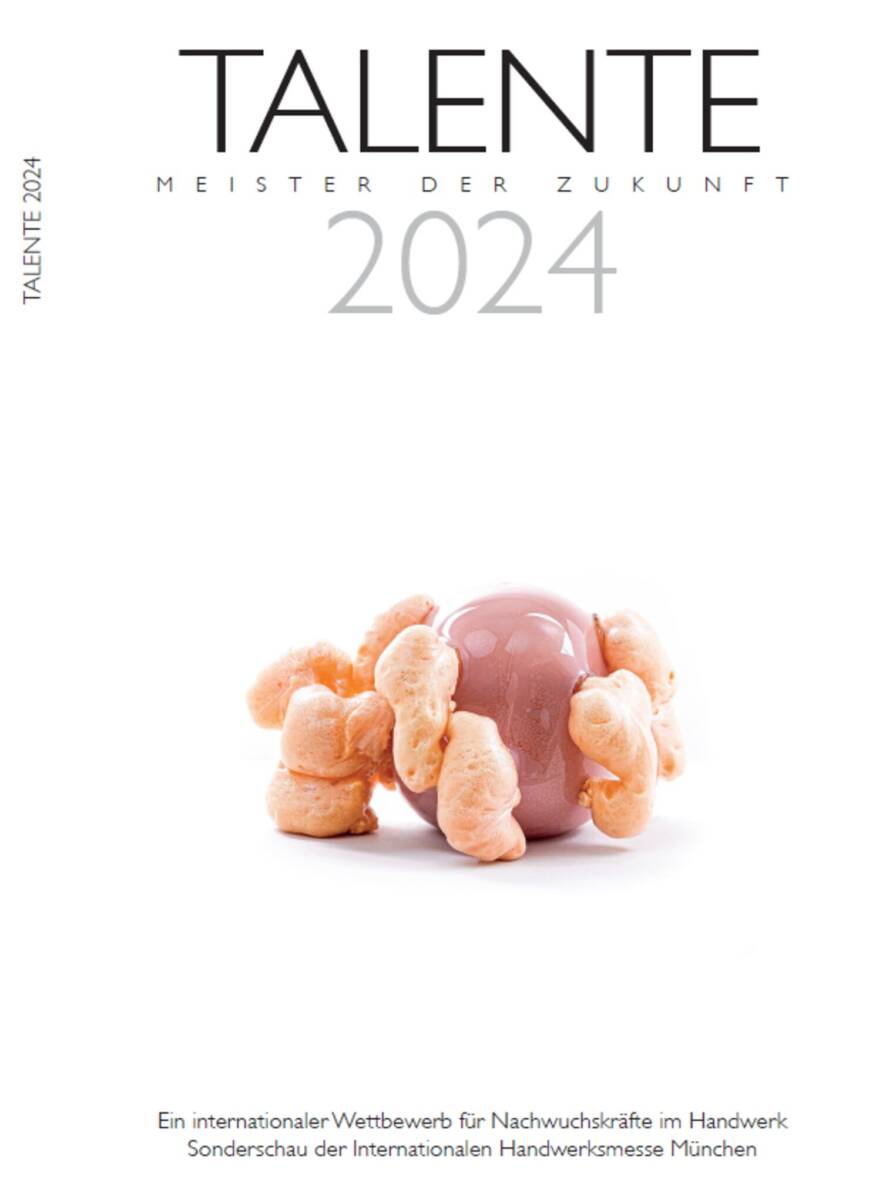
TALENTE – Meister der Zukunft 2024
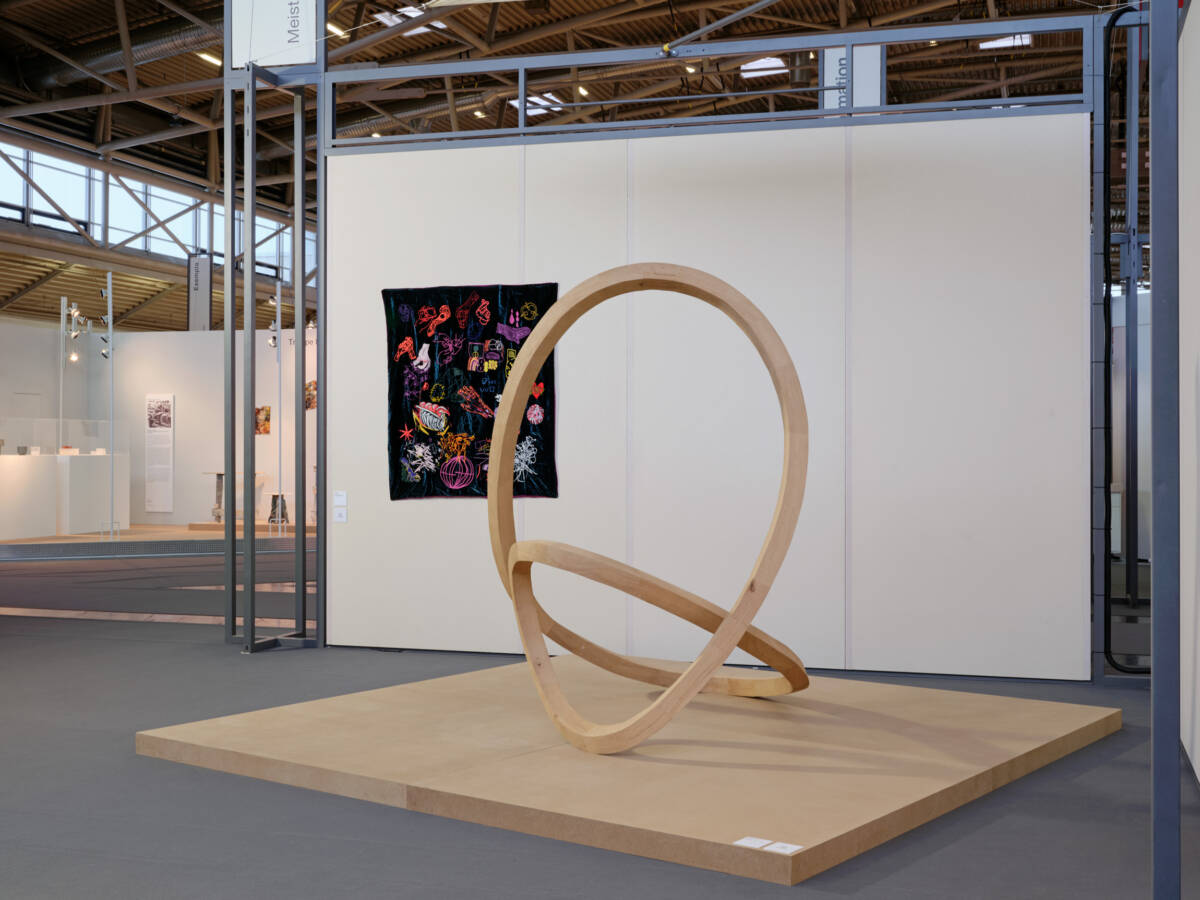
In 2024, the special exhibition “TALENTEmünchen – Meister der Zukunft” presented works by 92 young designers from 27 countries in 12 different crafts. 2024 also included works by participants from China, Iran, Israel, Croatia, Colombia and Lithuania.
TALENTEmünchen presents innovative, imaginative, extraordinary and very different works, particularly in the fields of glass, ceramics, jewellery and textiles. The exhibits particularly reflect the great interest in textiles, which has already been evident in recent years, and in glass, which is being discovered as a versatile material.
Current trends
Winners of the “TALENTE – Meister der Zukunft” prize 2024
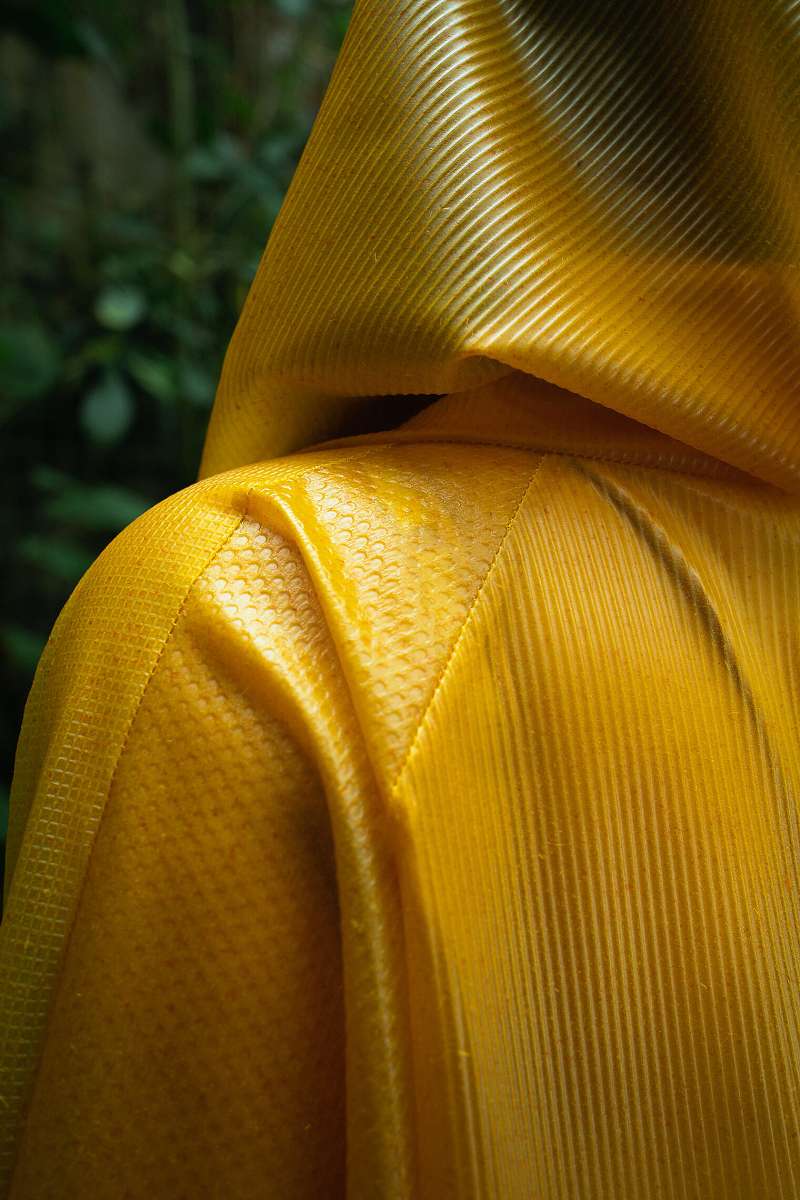
Daniela Cimen, Germany
Materials and technology
Daniela Cimen’s “Re-in-Waste” project impressed the jury with its innovative production, application and different textures. A water-repellent, biodegradable coat is developed from a biological waste material while retaining the memory of the original material. The jury recognised approaches for further material samples and possible applications in this project.
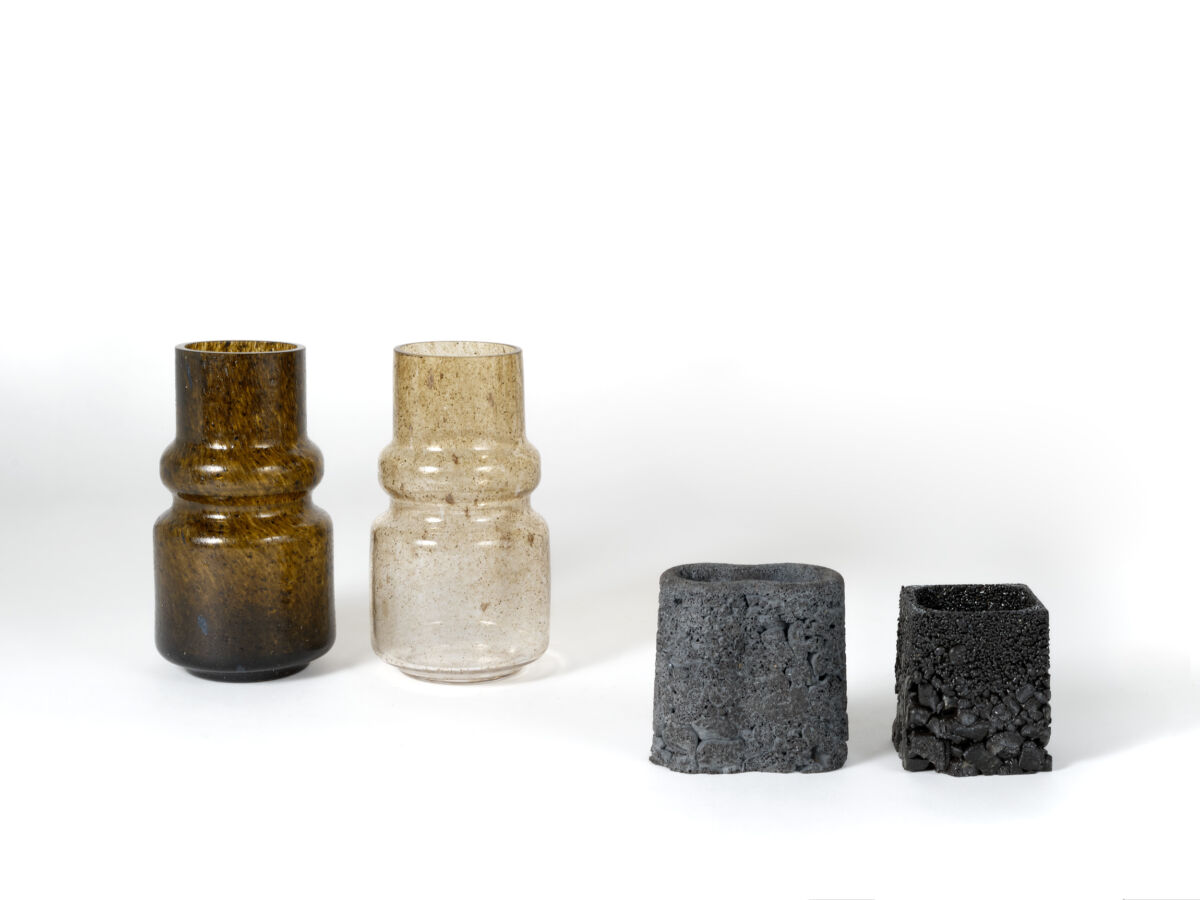
Max Greiner, Germany
Glass
The project “About Slag” by Max Greiner interested the jury on the one hand because of its serial and experimental character, and on the other because of its questioning of the essence, the idea of vessels. Another argument was the handling of material expectations – how a beautiful, aesthetically designed object is created from a seemingly ugly and dirty source material.
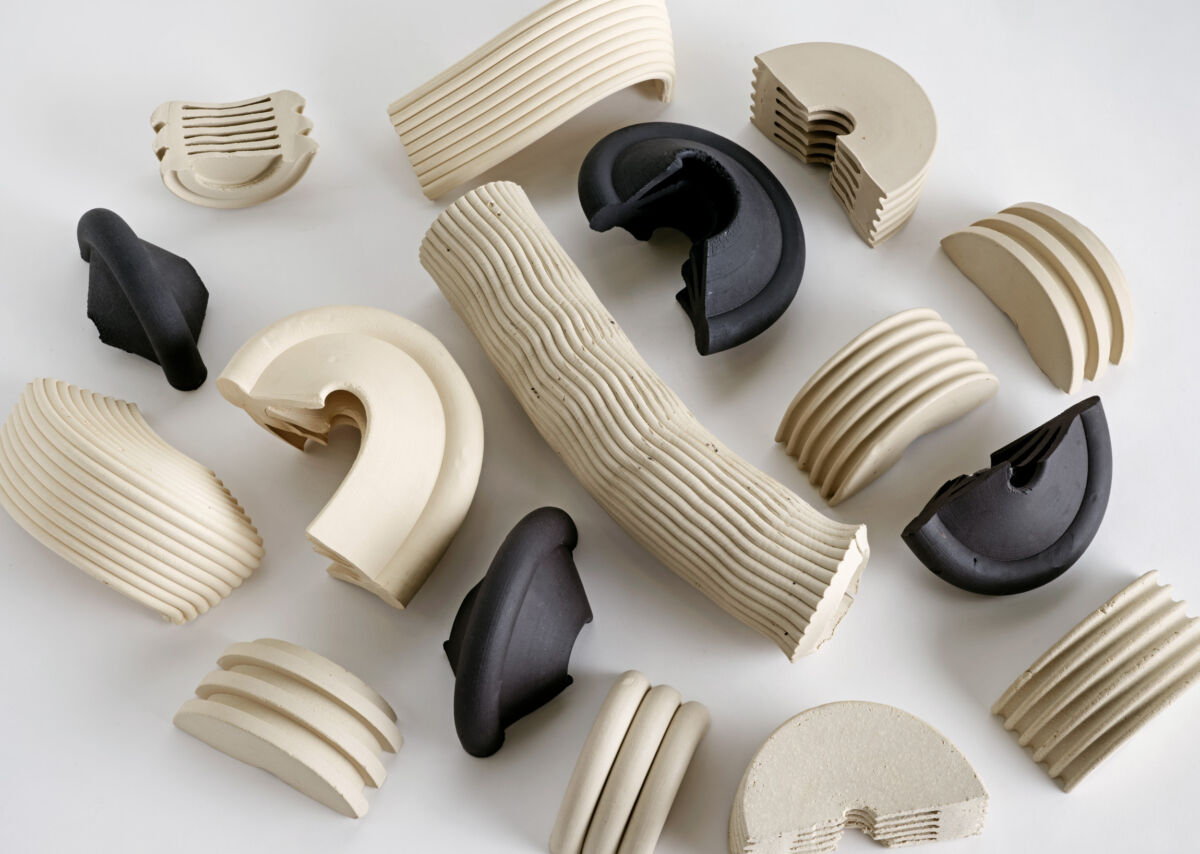
Charlotte Marabito, Germany
Ceramics
What fascinated the jury about Charlotte Marabito’s “Performative Extrusion” project was the material research, the playful, experimental character and the combination of an actually mechanical process with manual work. The disruption, the intervention in the traditional process of extrusion was praised.
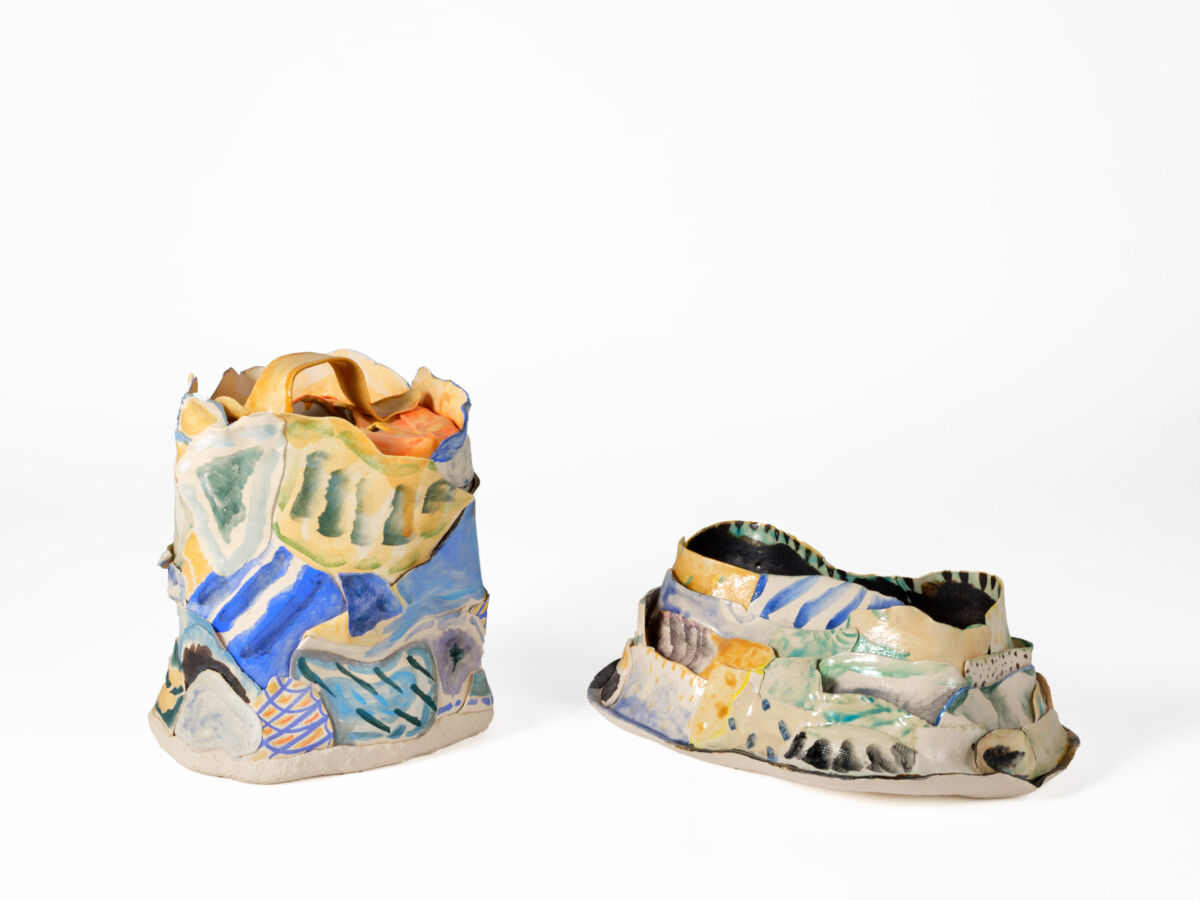
Lydia Soojin Park, South Korea / Norway
Ceramics
Lydia Soojin Park’s ceramic objects appealed for their aesthetic qualities and narrative character. In particular, the work with different layers, the combination of different patterns and colours in one work as well as the reflection on aspects of traditional ceramics were highlighted.
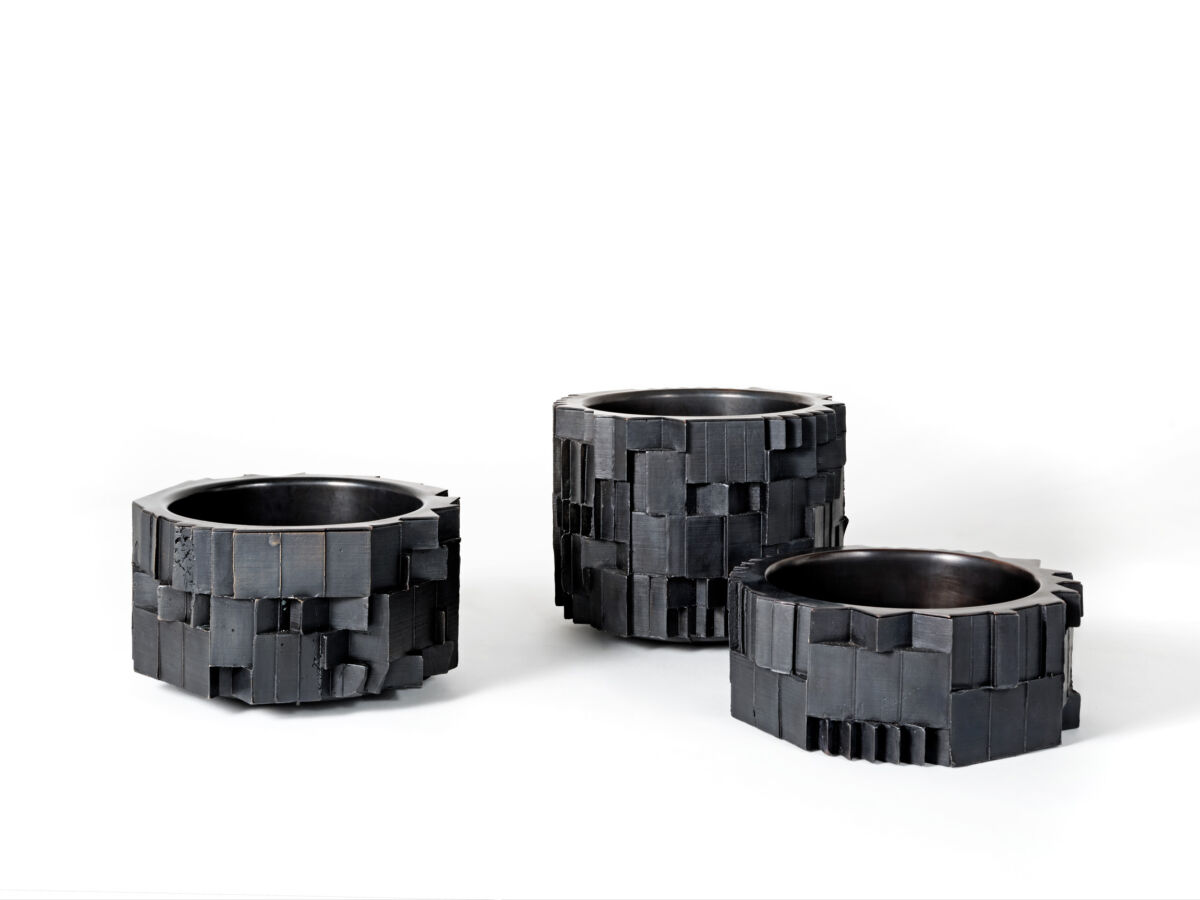
Soohyun Chou, South Korea
Metal
Soohyun Chou’s vessels are characterised by austerity, strength, reflection and precise consideration as well as constructive clarity. In their monumentality, powerful radiance and relief design, they seem to be distinguished by an almost architectural quality.
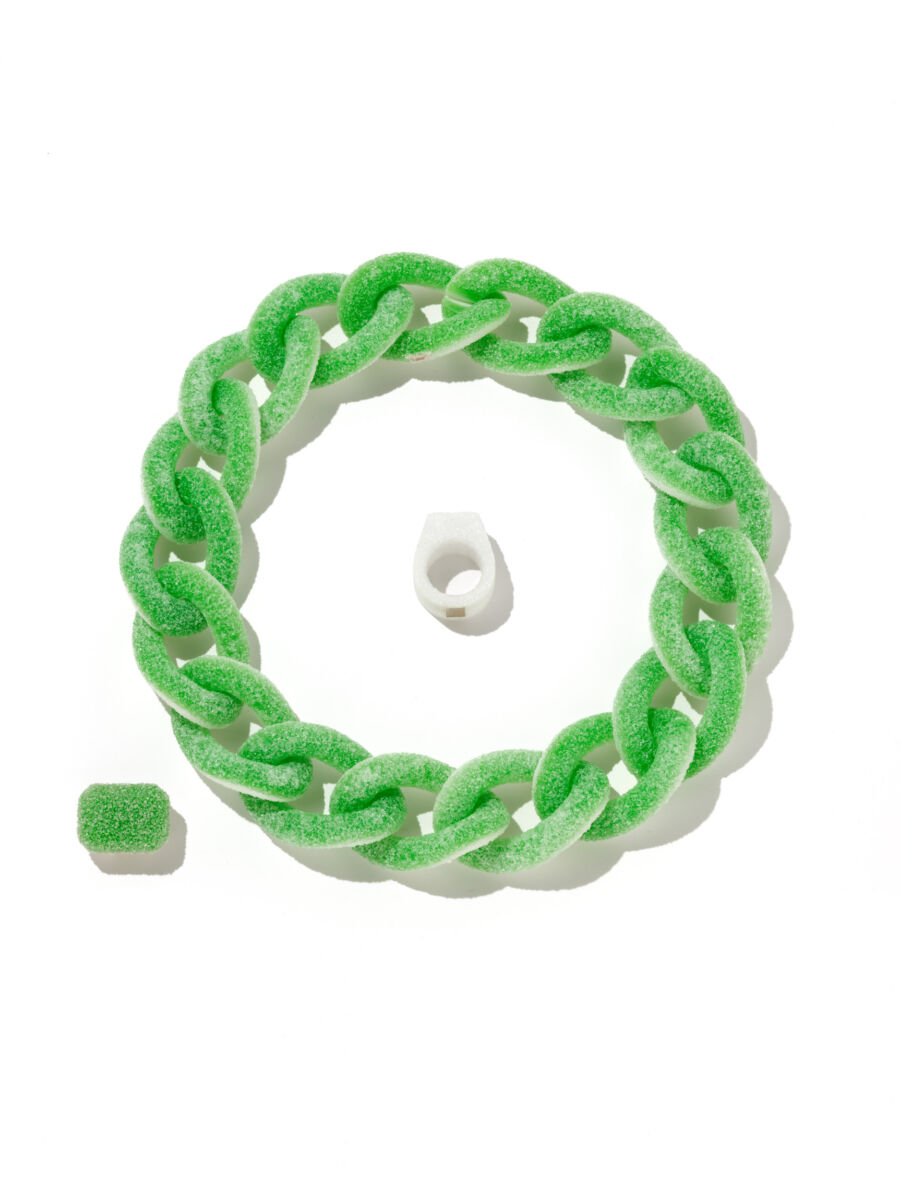
Benedict Haener, Switzerland
Jewellery
Benedict Haener’s works from the “Sugar Free” series fascinate with their illusionistic effect. The jury liked the funny element at first glance, which on closer inspection gives way to an appreciation of the quality of the craftsmanship, the subtlety and the handling of materials. Children’s jewellery made from confectionery is taken up here, and the aspect of artificiality is played with.
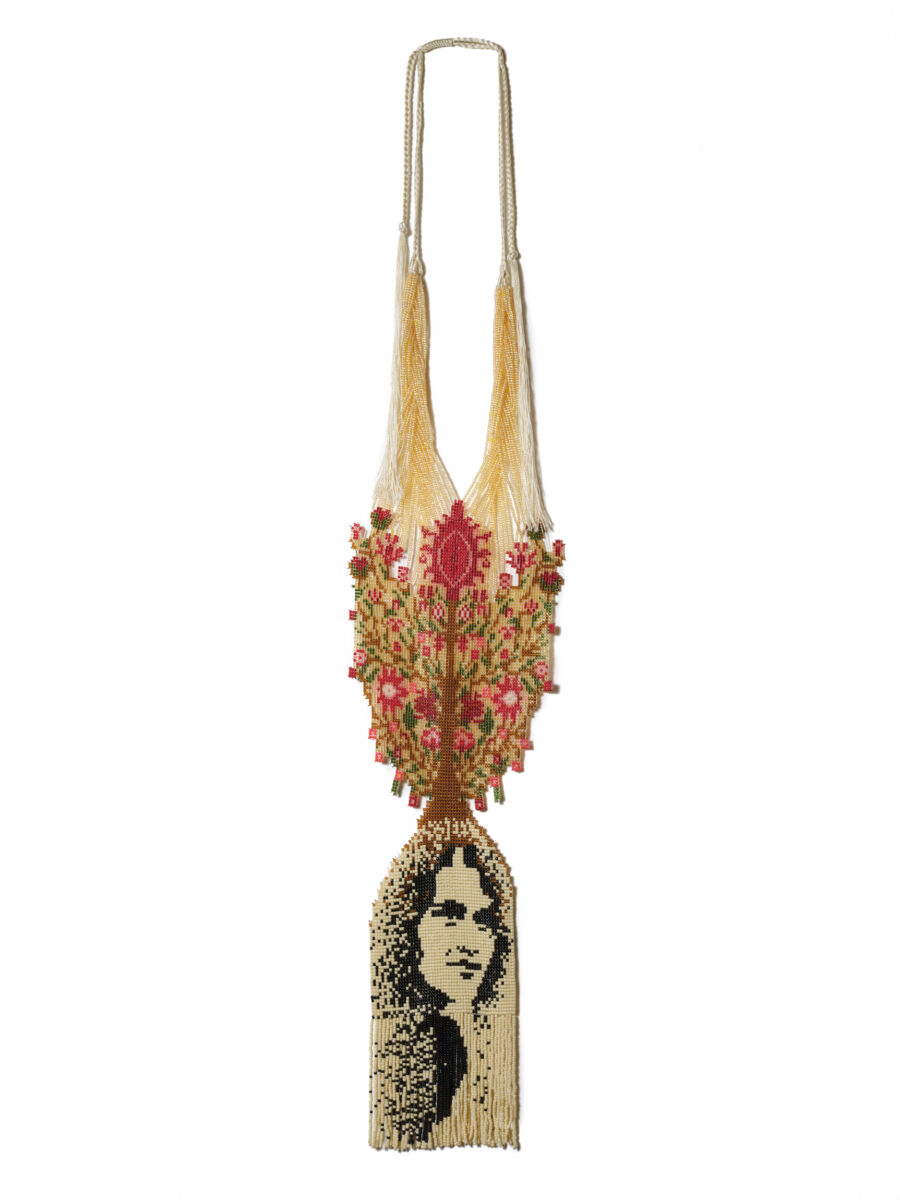
Masoumeh Rezaeilouyeh, Iran / Germany
Jewellery
Masoumeh Rezaeilouyeh’s necklace “Woman, Life, Freedom” touched the jury because of its political content and the quality of its craftsmanship. The heaviness of the content-related information contrasts with the delicacy of the materials and the delicacy of the technique. The jury praised the handling of traditions, the feminist standpoint and the continuation of the communication of female messages in the textile medium.
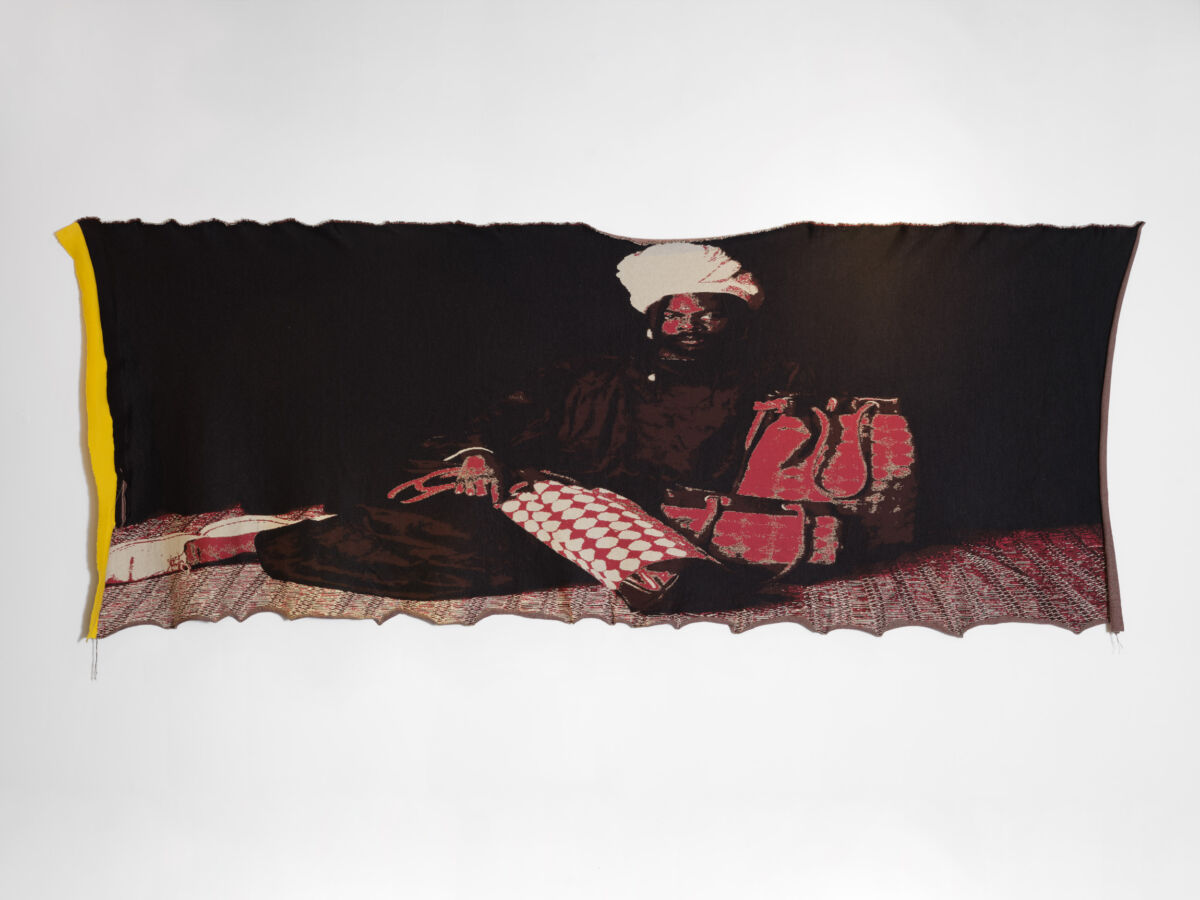
Damien Ajavon, France / Norway
Textile
In Damien Ajavon’s work, the jury appreciated the diversity of information levels, including art history, gender issues, cultural aspects, colonialism debates, Norway. The fluidity in terms of identity, activity, art and craft as well as art history was fascinating.
Winners of the Bavarian State Prize 2024
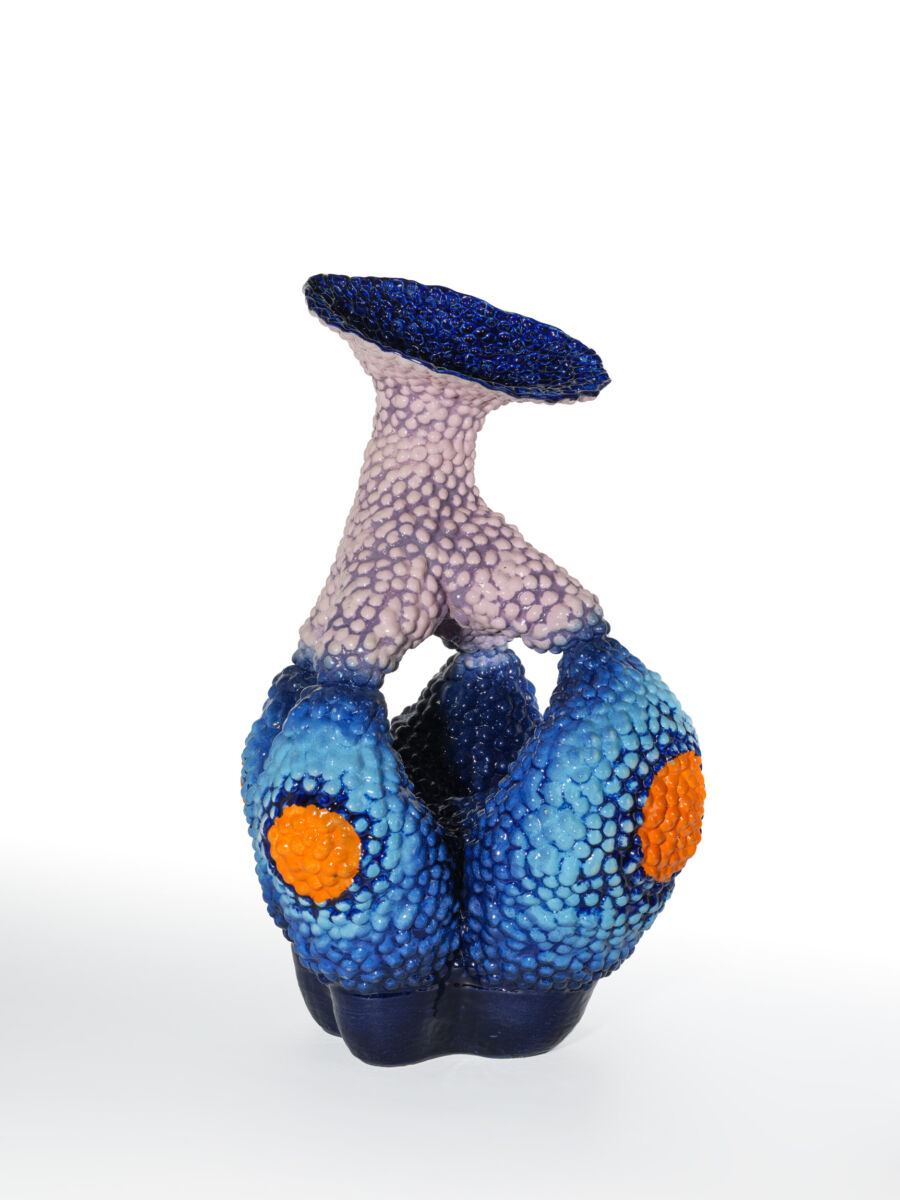
Maya Fenderl, Germany
90s Sunset” vase object
Color contrasts and structures overlap in the work of ceramicist Maja Fenderl. Freely formed elements become a playful unit in the large vase.

Nora Lardon, Switzerland
Textile “Untitled No. 5”
In her two-dimensional fabric, textile designer Nora Lardon creates a sublime three-dimensional effect through color and technical finesse using the jacquard weave technique.
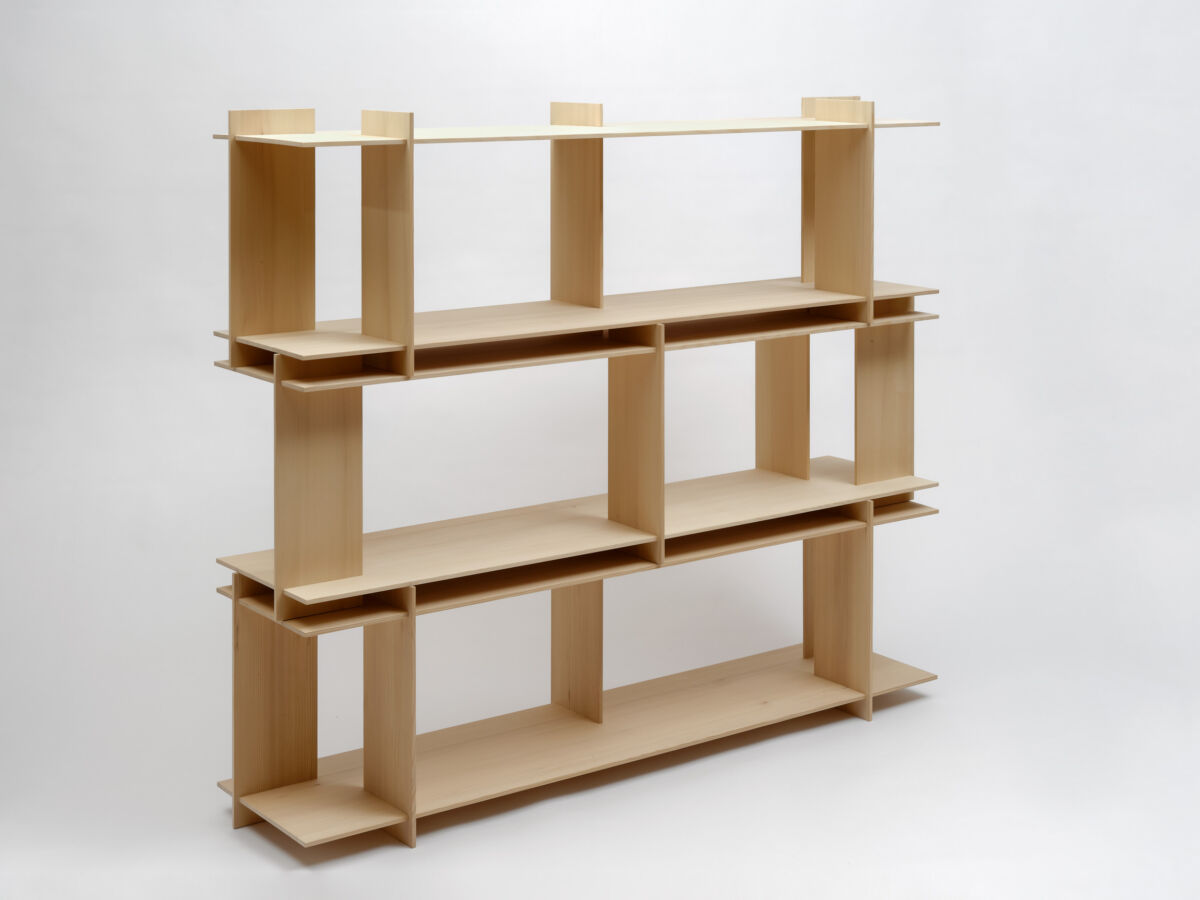
Gunther Pfeffer, Germany
Modular shelf “fragment”
Using classic wooden joints, Gunther Pfeffer creates a modular, aesthetically convincing shelf – a successful counter-proposal to standardised private living.