TALENTE – Meister der Zukunft 2013
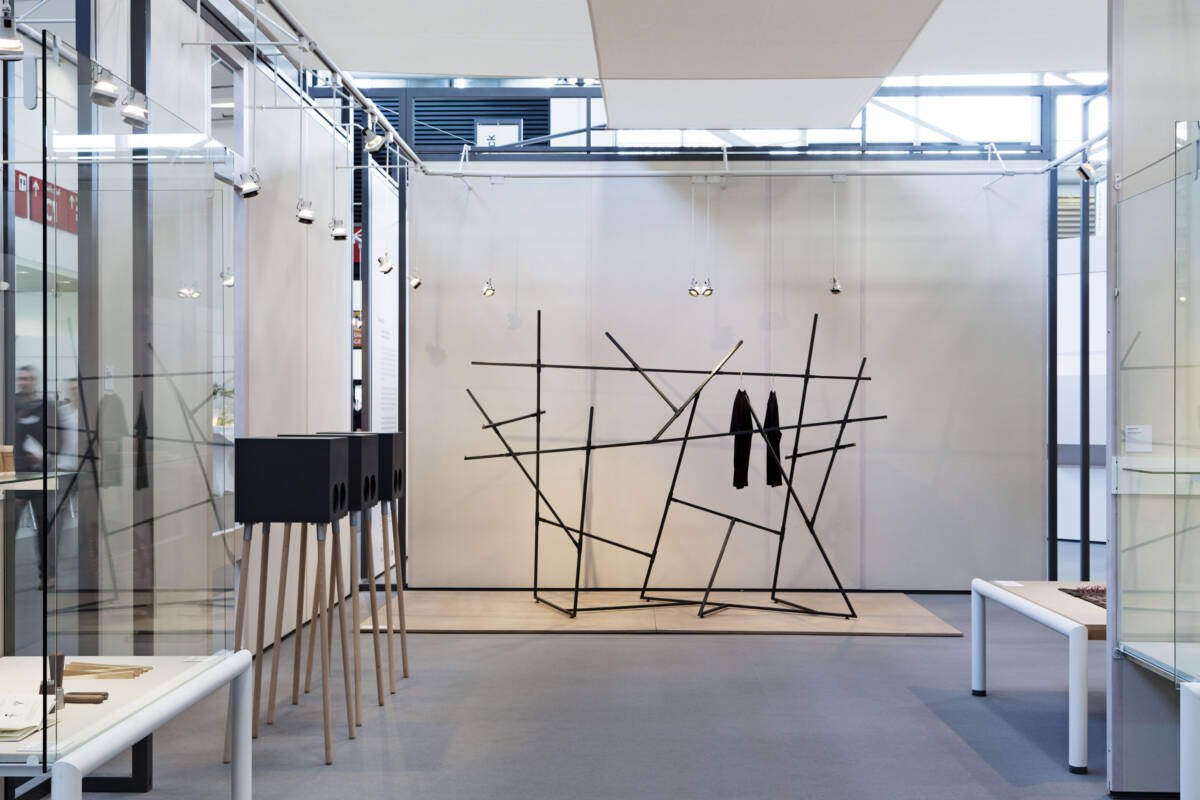
This year’s special exhibition “TALENTEmünchen – Meister der Zukunft” showcased the work of 100 young designers from 29 countries and 11 different crafts. Thanks to the support of international mentors, it was once again possible to present interesting and original contributions at the special show in Munich.
Over 700 applications from more than 30 countries were received for TALENTEmünchen 2013. Entries were selected from Australia, Austria, Belgium, Bulgaria, China, the Czech Republic, Denmark, Estonia, Finland, France, Georgia, Germany, Hungary, Iran, Israel, Italy, Japan, the Netherlands, New Zealand, Norway, Poland, the Slovak Republic, South Korea, Spain, Sweden, Taiwan, Thailand, the United Kingdom and the USA.
Current trends
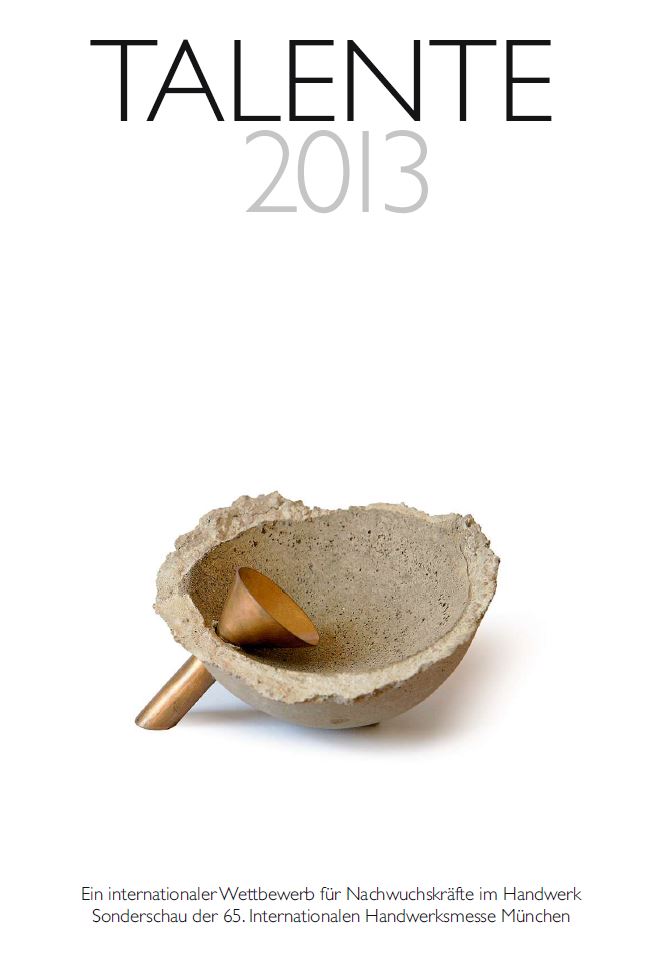
Winners of the “TALENTE – Meister der Zukunft” prize 2013
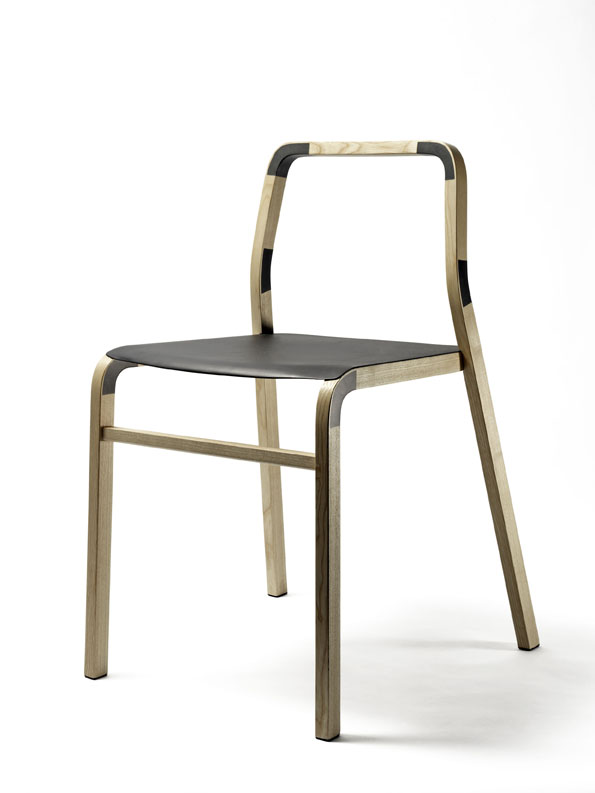
Joseph Maurus Wandinger, Germany
Joseph Maurus Wandinger’s “Bends” project impressed the jury with its new joining technology and the transferability of a technical process to another area of work. The energy and resource savings as well as the applicability in small craft businesses were also praised.
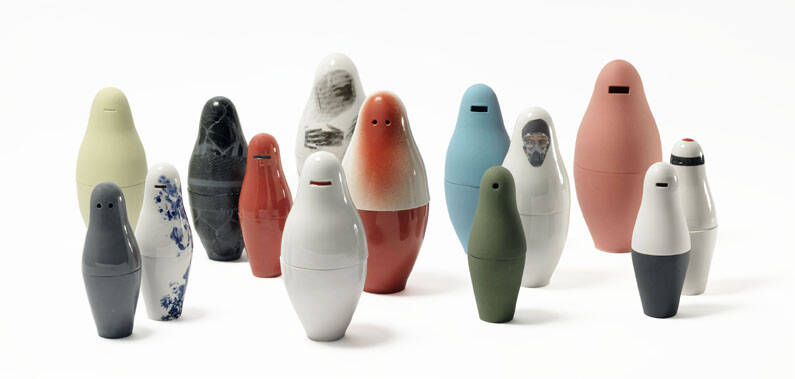
Oliwia Beszczynska, Poland
Oliwia Beszczynska’s unusual tin objects are convincing due to their examination of contemporary issues and concerns, while at the same time drawing on traditional models, which are now transformed into a different material and thus have a different connotation. They thematise the unknown and fragility. The works are characterized by contrasting areas of association and have a variety of meanings and functionality at the same time.
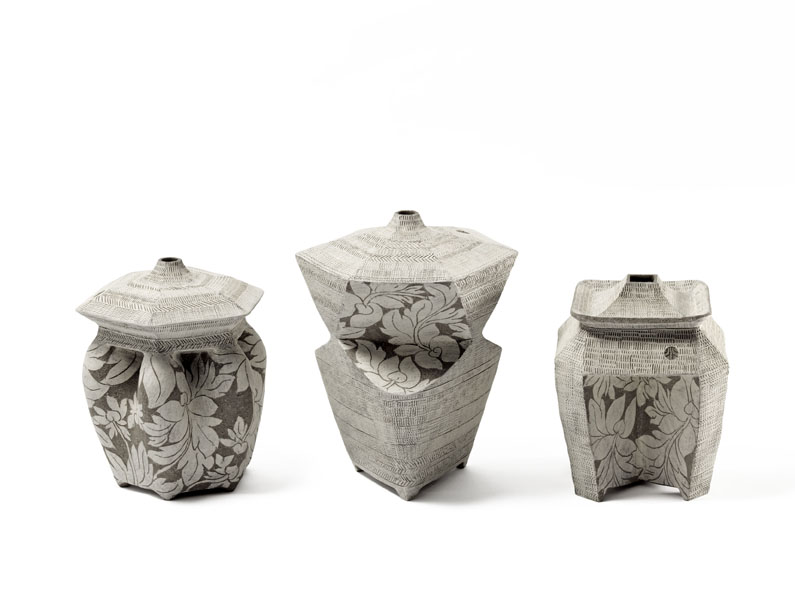
Kohei Hahn, Germany
What fascinated the jury about Kohei Hahn’s sculptural vessels was his handling of material and texture as well as his examination of traditions and their transfer into the present. The richly varied design of the interior and exterior was emphasised, as was the simultaneously enigmatic and clear statement of the self-contained works.
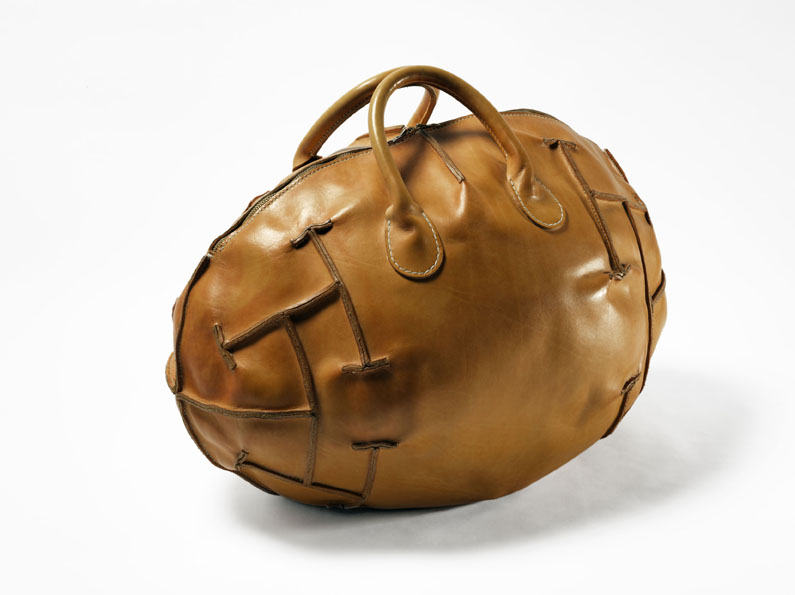
Avishag Goldman, Israel
Avishag Goldman’s bags and vessels demonstrate a considered and innovative approach to problems of design and construction, production and use. At the same time, the contemporary formulation of old techniques and an examination of the history of the material become clear.
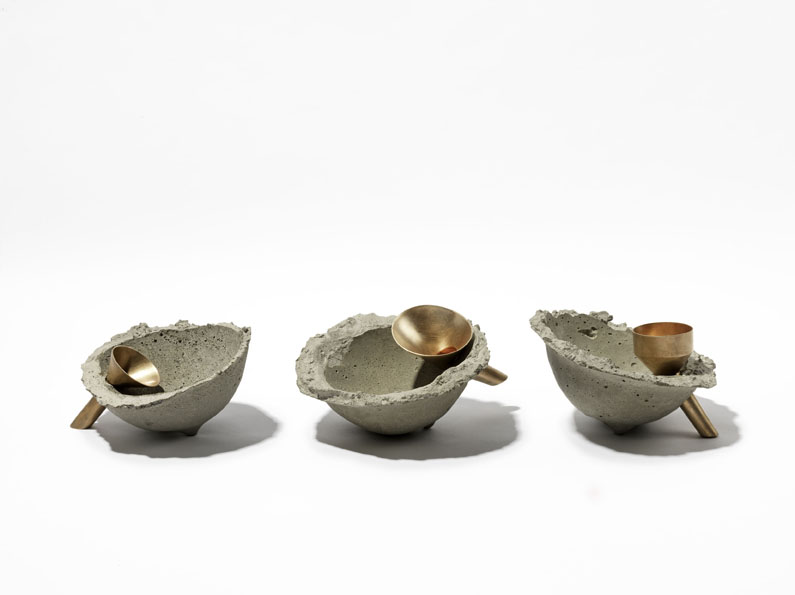
Tabitha Frost, Great Britain
Tabitha Frost’s bowls impress with their combination of different materials and their reflection on everyday elements. The history of historical vessels and tableware is taken up in the bowl objects. At the same time, they have a charisma that brings them closer to “concrete poetry”.
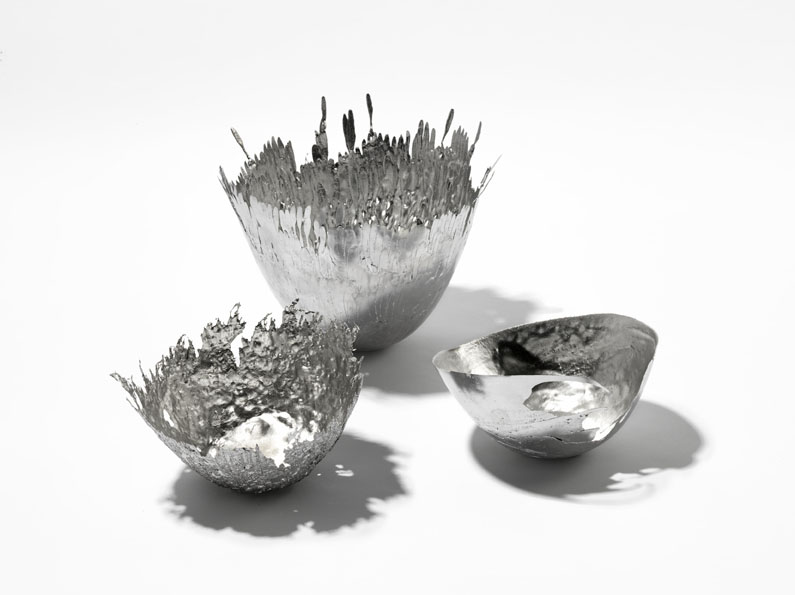
Pim Snijdoot, Netherlands
The jury praised Pim Snijdoodt’s work for taking up a long-neglected material and developing new design methods. The process allows for a variety of different shapes with a constant basic form. Each bowl has an individual shape. The experimental and at the same time poetic character of the works was emphasised.
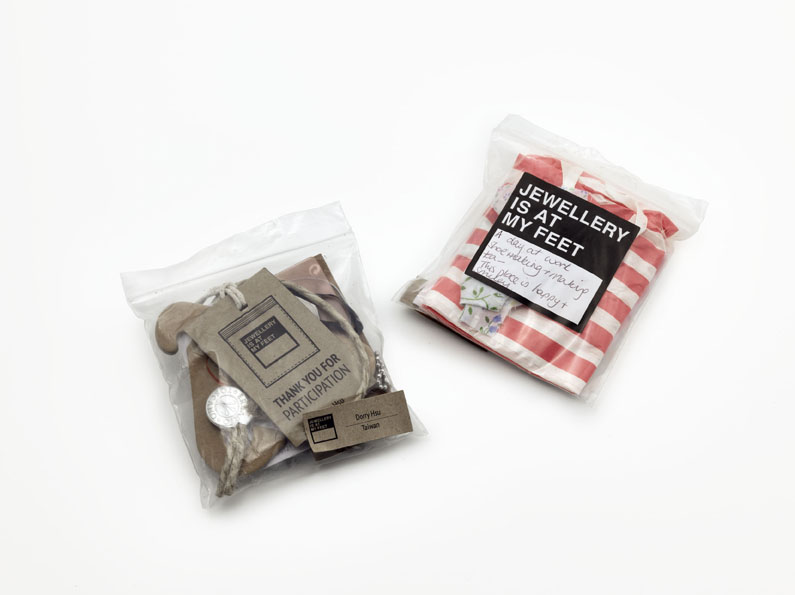
Panjapol Kulpapangkorn, Thailand
Panjapol Kulpapangkorn’s project “Jewellery is at my feet” was chosen for its transformation of ordinary objects into jewelry objects and for its reference to everyday life. The relationship between the artist, the wearer and the environment created by the project and the objects was emphasised. At the same time, the project is a reflection on jewellery itself – on its nature, its wearing and its meaning.
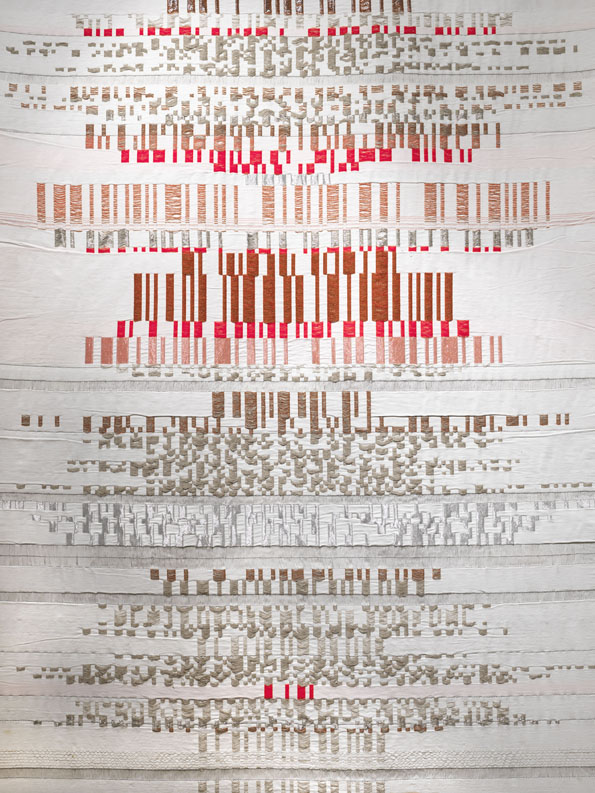
Veerle Deschuyffeleer, Belgium
Veerle Deschuyffeleer’s wall works deal with the transfer and transformation of information into craft, whereby a reflexive examination of contemporary consumer culture takes place. Through design and content, the works are modern and connected to contemporary everyday life.
Winners of the Bavarian State Prize 2013
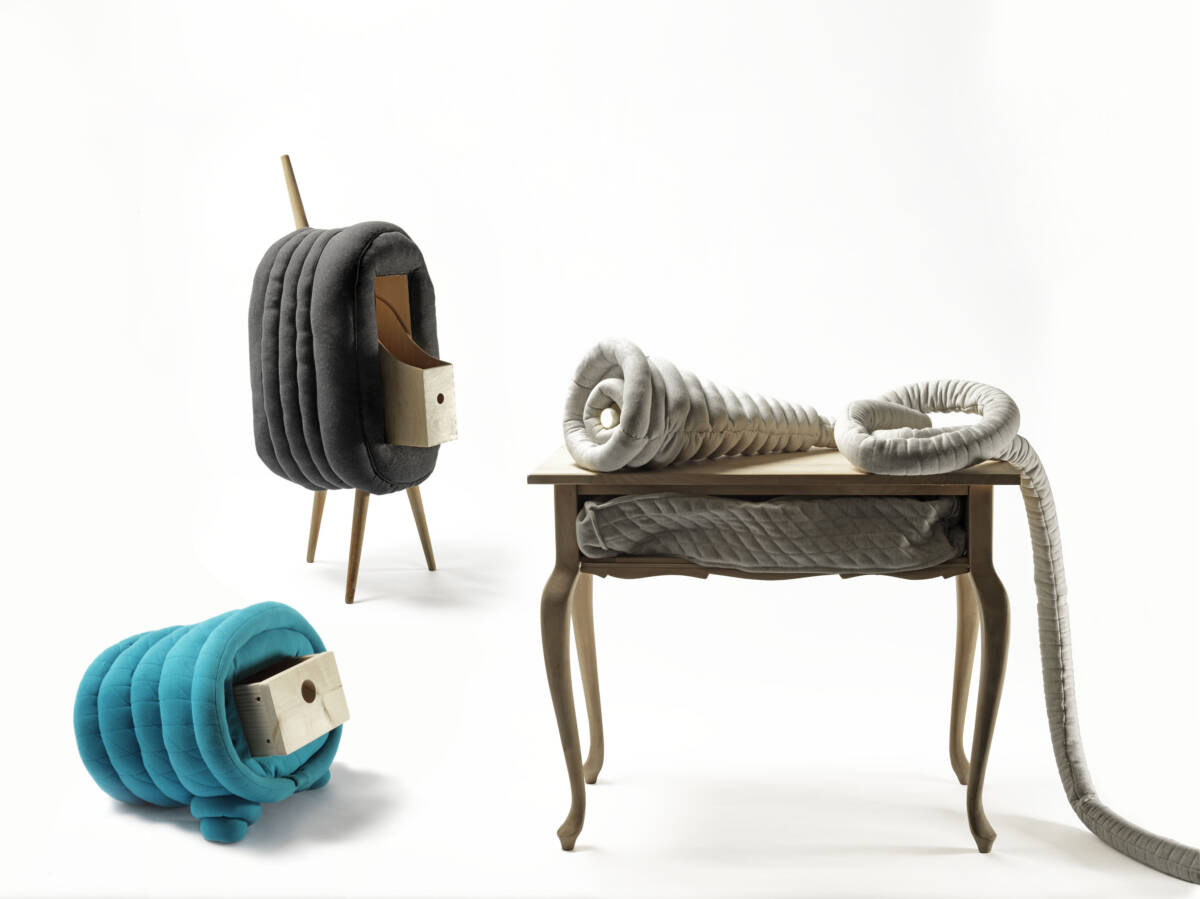
Karina Bergmann
Furniture from the “Knuddelmuddel” series
“Knuddelmuddel” includes furniture with feel-good functions. They are made from recycled wood and textiles and invite you to touch them. The horn-shaped lamp also serves as a portable cushion. Instead of corners and edges, there are rounded shapes. The furniture creates an atmosphere of retreat and privacy.
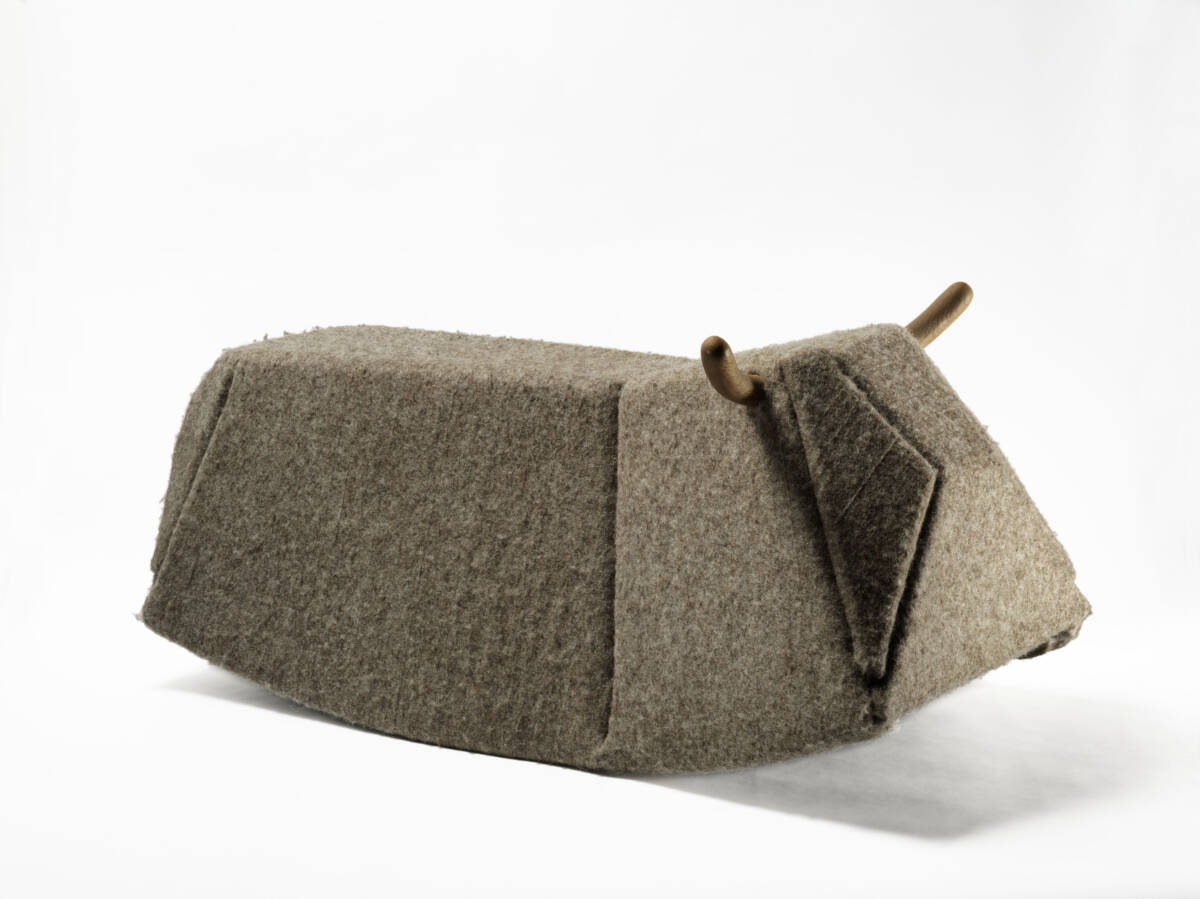
Moritz Kessler
“Rowdy” rocking toy
Moritz Kessler, a student at the Free University of Bolzano under Kuno Prey, has developed a new material, the felt sheet. It combines craftsmanship and industry. The sheet is perforated by laser and punching. Based on the sandwich technique, wool is placed on both sides of the perforated sheet and is completely bonded to it through the felting process. The felt sheet is particularly suitable for furniture construction or for making toys, such as the little bull “Rowdy”.